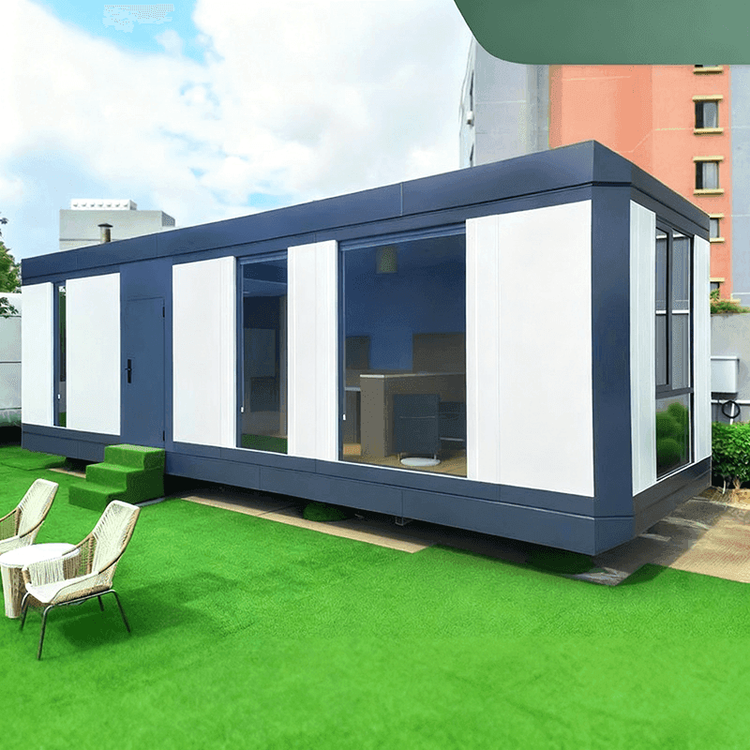
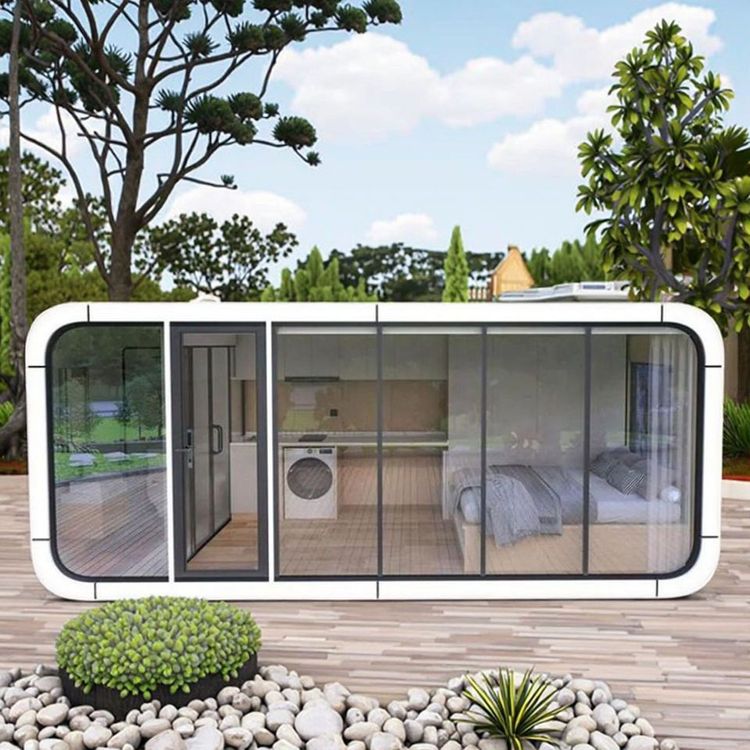
Jinhua Park Mobile Toilet Installation
The installation of mobile toilets in Jinhua Park is a systematic project involving the temporary reconfiguration of spatial functions, requiring adherence to key steps such as site selection assessment, ground treatment, unit positioning and subsystem activation, and the establishment of operational and maintenance logic.

Site selection assessment is the foundational step in the installation process. It necessitates a comprehensive evaluation of the ground's load-bearing capacity to ensure it can support the weight of the mobile toilets. The drainage slope should be reasonable to facilitate the natural discharge of sewage. Adequate space should be reserved for vehicle access to facilitate transportation and subsequent maintenance. Additionally, the toilets should be positioned at a reasonable distance from the park's main activity areas to ensure convenience for visitors while avoiding interference with major landscapes and activities.
Ground treatment depends on the on-site conditions. If the ground is relatively solid and flat, simple leveling and compaction will suffice. However, for soft ground surfaces, such as muddy areas, steel plates or concrete precast blocks should be laid to form a stable foundation, preventing issues like settlement or tilting of the mobile toilets during use.
Unit positioning and subsystem activation represent the core steps of the installation. After transporting the mobile toilet units to the designated site and accurately positioning them, the focus should shift to activating the various subsystems. This includes connecting to an external water source or confirming that the water storage tank is full to ensure an adequate water supply for flushing and other purposes. Temporary sewage pipes should be laid to direct sewage to storage tanks or designated collection points, ensuring smooth drainage. External power should be connected or the built-in solar power supply device should be调试 (debugged) to provide electricity for lighting, ventilation, and other equipment in the mobile toilets. Finally, ensure that ventilation openings are unobstructed to maintain air circulation and reduce odors within the toilets.
The establishment of operational and maintenance logic is equally crucial. After physical installation, maintenance frequency should be determined based on usage intensity and the type of sanitation treatment technology employed. For instance, microbial degradation systems require regular replenishment of bacteria, packing systems necessitate the replacement of sealing bags, and water-flush systems require timely emptying of storage tanks. A cleaning and disinfection protocol should be established to maintain hygiene standards. Clear points for replenishing consumables should be identified to ensure an adequate supply of various items. Additionally, an emergency response mechanism for faults should be established to facilitate prompt handling in case of issues, ensuring the normal operation of the mobile toilets.