
Jinhua Outdoor Mobile Toilet Design
The design of outdoor mobile toilets in Jinhua emphasizes flexibility and adaptability, enabling deployment and adjustment according to the needs of different scenarios, with scientific considerations in terms of materials, structure, configuration, and appearance.
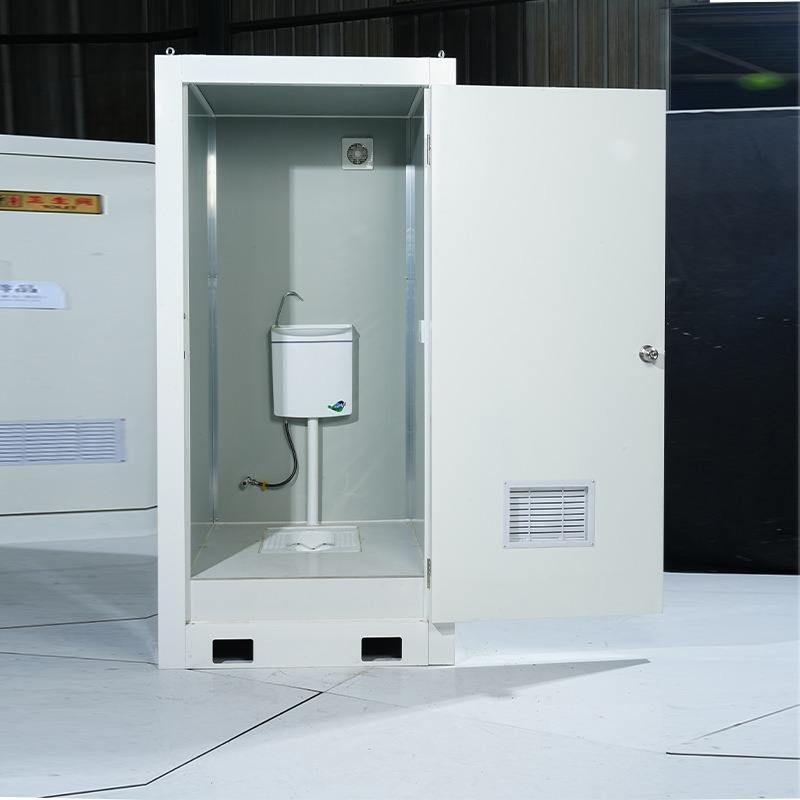
In terms of material selection, lightweight materials are used for manufacturing, such as galvanized steel pipes and metal carved panels. These materials are relatively light in weight, facilitating easy transportation and installation. They can be set up in a short period, significantly saving time costs, and are particularly suitable for scenarios that require rapid deployment, such as temporary event venues.
Regarding structural design, modular structures are commonly employed. This design facilitates quick installation and disassembly, allowing flexible combination into single or multiple units based on actual usage demands. For example, during peak tourist seasons in scenic spots, they can be combined into multiple units to meet the increased demand from tourists; during periods with fewer tourists, they can be disassembled into single units to improve resource utilization efficiency.
In terms of internal configuration, they are equipped with water tanks and sewage disposal systems, effectively addressing sewage treatment issues. Many are also equipped with handwashing basins for convenient cleaning after use. Additionally, modern sanitary facilities such as water-saving flushing systems, ventilation facilities, and lighting are adopted to ensure a comfortable user experience. Some new types of mobile toilets also incorporate eco-friendly and energy-saving designs, with optional features like solar power supply, rainwater harvesting systems, and biodegradation technology to reduce resource consumption. Solar power can provide electricity for lighting, ventilation, and other equipment inside the toilet; rainwater harvesting systems can collect rainwater for flushing toilets; and biodegradation technology can naturally decompose excreta, reducing environmental impact.
In terms of appearance, personalized designs can be implemented according to needs, enabling harmonious integration with the surrounding environment and enhancing overall aesthetics. Furthermore, there are special designs for different usage scenarios. For example, fiberglass mobile toilets can be hoisted, shoveled, and manually transported and installed in place as a whole, with a sturdy structure suitable for places with complex terrain or frequent relocation needs; dry-packaged mobile toilets lack drainage devices, with excreta collected by biodegradable plastic bags, saving water resources and facilitating waste collection; and mobile public toilets with foam blocks use foam instead of water to flush toilets, maximizing water conservation.



