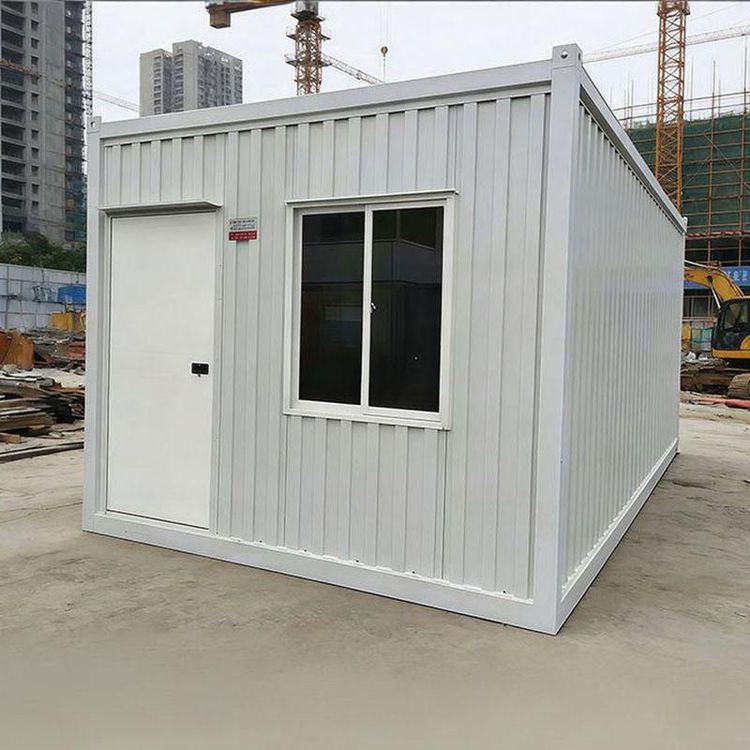
Structure of Rural Mobile Toilets in Jincheng
The structure of rural mobile toilets in Jincheng covers six core modules: structural type, material selection, specifications, treatment technology, additional configurations, and installation methods. Details are as follows:

Structural Type
Mobile toilets are divided into two types: integrated and modular. The integrated type integrates sanitary units (such as toilets and sinks) with sewage storage equipment (such as fecal storage tanks and purification devices) on a single towing chassis, eliminating the need for disassembly during transportation and making it suitable for short-distance or fixed-point use. The modular type adopts a modular design, allowing wall panels, roofs, and sanitary fixtures to be transported separately and quickly assembled on-site using buckles or bolts, offering high flexibility and facilitating long-distance transportation or installation in complex terrains.
Material Selection
The main structures commonly use color-coated steel plates, metal carved panels, anti-corrosion wood, and aluminum-plastic panels. Color-coated steel plates are cost-effective and corrosion-resistant, suitable for dry areas. Metal carved panels combine aesthetics with thermal insulation and are commonly found in tourist attractions. Anti-corrosion wood is naturally moisture-resistant but requires regular maintenance. Aluminum-plastic panels are lightweight and easy to clean, often used in high-end customized scenarios. For example, products from Henan Hemai Industrial Co., Ltd. primarily use color-coated steel plates/metal carved panels, while Cangzhou Hengtai Sanitation Equipment Co., Ltd. covers all four materials.
Specifications
There are significant differences in product sizes among different manufacturers. Henan Hemai Industrial Co., Ltd. offers small-sized models such as 1.3×1.3×2.35 meters and 1.1×1.1×2.35 meters, suitable for simultaneous use by 2-3 people. Cangzhou Hengtai Sanitation Equipment Co., Ltd.'s 1200×1500×3000-meter model has a larger space, accommodating barrier-free facilities or management rooms. Heights generally range from 2.3 to 3 meters to ensure ventilation and lighting requirements.
Treatment Technology
- Circulating Water Flush Type: Filters flushing water through a small purification device (such as a membrane bioreactor) for recycling, with daily water consumption only 10% of that of traditional toilets, suitable for areas with scarce water resources.
- Biodegradable Type: Utilizes microorganisms (such as aerobic bacteria) to decompose excreta into carbon dioxide and water, eliminating the need for flushing or external sewage systems, but requiring regular addition of bacterial strains and control of temperature and humidity.
- Vacuum Collection Type: Uses negative pressure pipelines to suction sewage into fecal storage tanks, requiring only 0.5 liters of water per flush, offering significant water-saving effects, but with higher equipment costs, mostly used in high-end scenarios.
Additional Configurations
Standard configurations include ventilation systems (natural ventilation or forced exhaust), lighting devices (LED lights or solar lights), and barrier-free facilities (handrails, ramps). Some products are equipped with solar power modules, supporting 72 hours of continuous operation in areas without power grids; winter models add polyurethane insulation layers and electric heating elements to ensure normal use in low-temperature environments.
Installation Method
Adopts a "civil engineering-free" design, with the entire finished product installed directly on the ground. For example, Junhan mobile toilets are assembled through column fixation and wall panel splicing, requiring no cement pouring or pipeline laying throughout the process, and can be put into use within 1-2 hours, significantly shortening the construction period and reducing environmental disturbance.