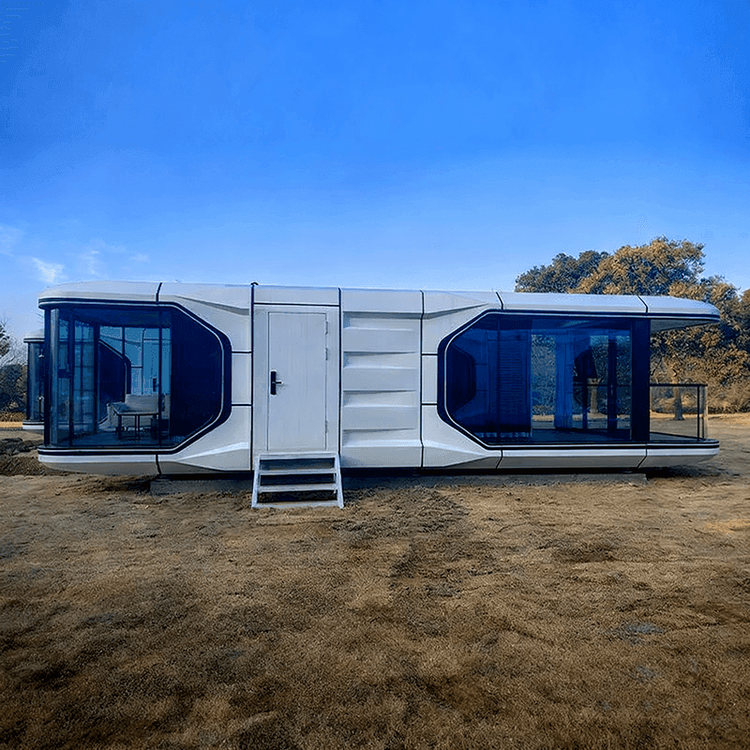
Jinchang Vehicle-mounted Mobile Toilet
The Jinchang vehicle-mounted mobile toilet is a type of mobile toilet with a high degree of customization, intelligence, and environmental protection features. The following provides an introduction from aspects such as core structure, functional configuration, technical principles, and environmental adaptability:
I. Structure and Material Characteristics
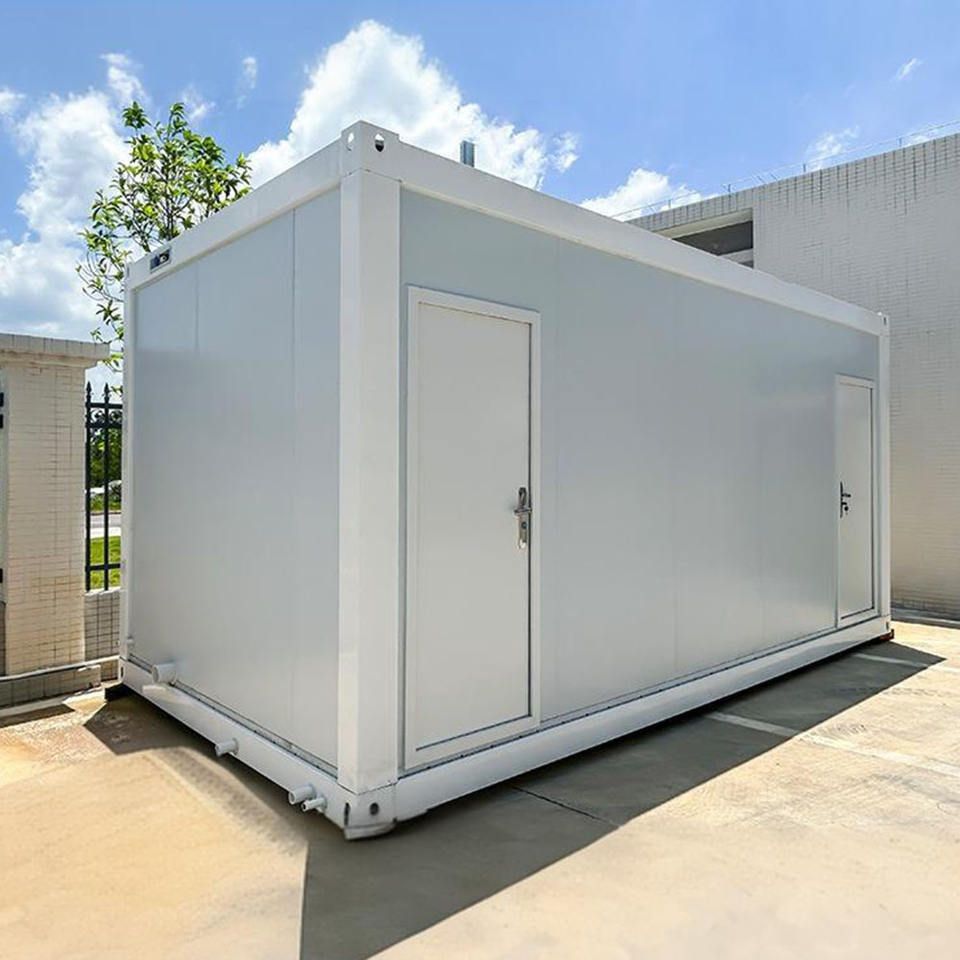
The toilet body is constructed as a closed space using lightweight composite materials. Insulating and soundproofing materials are filled between the load-bearing frame and the external protective panels, reducing the overall weight by approximately 40% while maintaining structural stability. The internal support system is modular in design, allowing for adjustments to pipe routing and equipment layout according to the installation site, adapting to different spatial requirements. The external dimensions are customized according to drawings, with a variety of color options available. The floor is made of anti-slip textured materials to ensure safety during use.
II. Functional Configuration
Basic configurations include a squat toilet, sink, door lock, light bulb, exhaust fan, etc., and are optimized for special populations: the entrance passage width is ≥90 centimeters, with foldable handrails and emergency call buttons installed inside; child-specific facilities are designed as independent units with reduced heights, equipped with ergonomic auxiliary cushions, and all sharp edges and corners are rounded. Energy supply integrates solar photovoltaic panels with high-density battery packs, enabling continuous operation for 72 hours in rainy weather; the energy consumption control system automatically adjusts ventilation and lighting power based on usage frequency to reduce energy consumption.
III. Sewage Treatment and Environmental Protection Technology
The sewage treatment unit employs a composite process of physical sedimentation and microbial degradation, with the treated water disinfected by ultraviolet light to meet national discharge standards. The odor control device combines active exhaust and chemical neutralization mechanisms to effectively suppress odor diffusion. Maintenance management adopts a periodic inspection and emergency response model, with cleaning operations using high-pressure flushing equipment and biodegradable cleaning agents, taking ≤15 minutes per session. Consumable replenishment is delivered in advance based on platform warning data to ensure a continuous supply of toilet paper, hand soap, and other materials.
IV. Environmental Adaptability and Safety Design
Adaptation to the urban environment is achieved through a multi-point anchoring system, with the installation foundation combining prefabricated concrete blocks and ground expansion bolts to ensure structural stability under 8-level wind conditions. The exterior color scheme uses low-saturation hues, and vertical greening modules can be installed on the facade to enhance landscape harmony. Usage status monitoring is realized through an IoT sensor network, with a fault diagnosis system capable of automatically identifying 12 common issues such as blockages and abnormal water levels to ensure stable equipment operation.