Jinchang Park Mobile Toilet Installation
The installation process of mobile toilets in Jinchang Park is usually simple and quick, with core steps including positioning, assembly, connecting internal facilities, and functional checks. The installation time for integrated toilets can be shortened to 2-4 hours.

1. Positioning and Site Preparation
Before installation, determine the location of the mobile toilet according to the park's planning, prioritizing areas with solid ground and good drainage. If the ground is uneven or has soft soil, it should be hardened in advance (e.g., by pouring concrete) or covered with steel plates to ensure the equipment is placed stably. When positioning, consider user convenience, such as being close to walkways or activity areas, while avoiding low-lying areas prone to water accumulation to prevent rainwater from flowing back.
2. Assembly Process
- Chassis and Frame Installation: Use a forklift or manual labor to place the prefabricated steel structure chassis steadily at the predetermined location and adjust it to a level state with a level gauge to avoid tilting during subsequent wall installation.
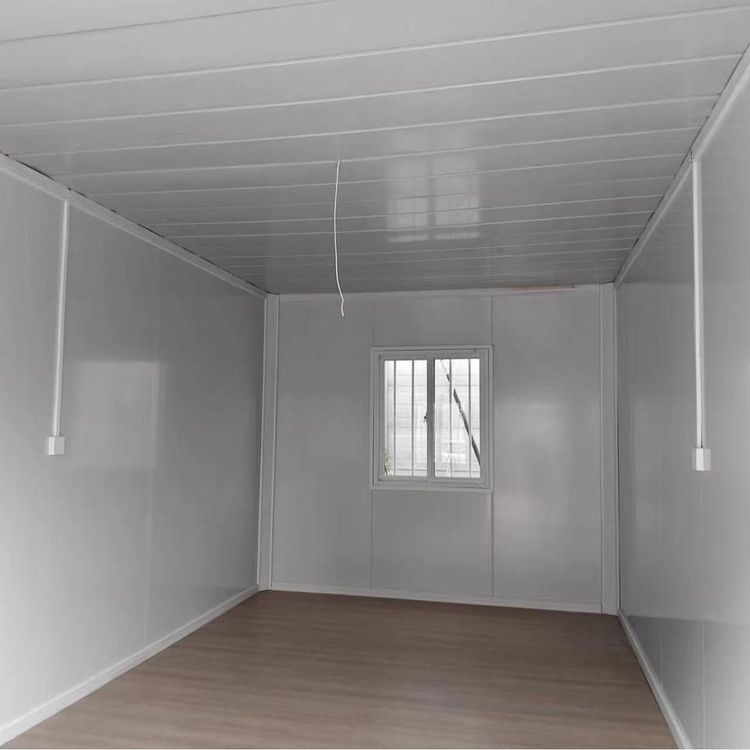
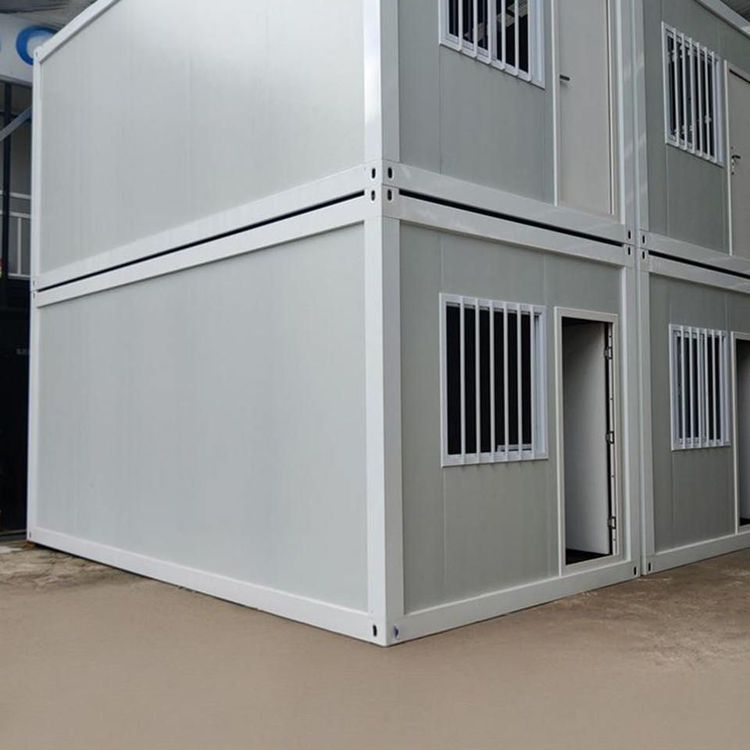
- Wall and Roof Panel Installation: Insert the sandwich panel walls one by one into the chassis slots and secure them with bolts or clips to ensure a tight connection. Then install the roof panels, focusing on sealing the joints (e.g., by applying waterproof glue or installing sealing strips) to prevent rainwater leakage. The wall installation of ordinary mobile toilets usually takes 1-2 hours.
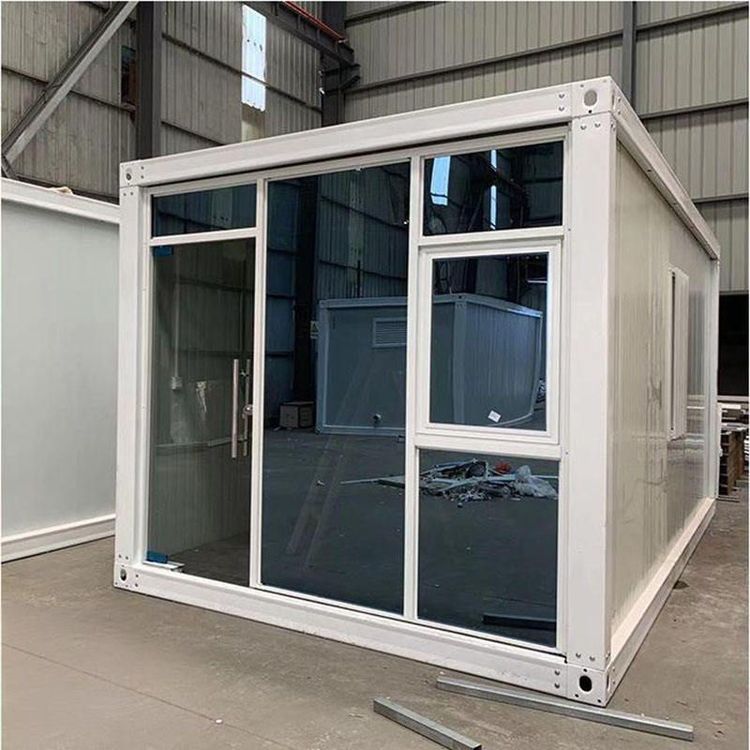
For integrated mobile toilets (such as container-type toilets), the assembly steps are simpler. These toilets have already undergone interior decoration and equipment integration in the factory, and only need to be hoisted as a whole to the designated location by a crane on site, without the need for separate assembly of walls and roof panels.
3. Connection of Internal Facilities
Install internal partitions, toilets, flushing systems, sinks (optional), lighting, and ventilation equipment. The connection of water and electricity pipelines is a key step and should be carried out by professionals:
- Water supply: Connect the inlet and sewage pipes to ensure normal pressure in the flushing system and smooth sewage discharge.
- Electricity: Install lighting fixtures, exhaust fans, and sockets, and check voltage stability to avoid short-circuit risks.
The design of modular water and electricity interfaces (such as quick connectors) can significantly shorten connection time and improve installation efficiency.
4. Functional Checks and Debugging
After assembly, comprehensive testing is required:
- Flush test: Check the flushing force and drainage speed of the toilet to ensure no blockage.
- Circuit check: Verify that all electrical equipment can start normally and that the lighting brightness meets standards.
- Sealing check: Focus on checking the roof, doors, windows, and pipe joints to prevent rain leakage or odor leakage.
5. Installation Standards and Specifications
The design and installation of mobile toilets must comply with the requirements of the Mobile Toilet Hygiene Specifications (GB/T 21239-2023), including structural safety (such as wind resistance level), hygiene indicators (such as sewage discharge methods), and environmental protection standards (such as sewage treatment). Integrated toilets are usually easier to meet the specifications due to their high degree of integration.
Summary: The installation of mobile toilets in Jinchang Park must strictly follow the processes of positioning, assembly, connection, and debugging. Integrated toilets can significantly shorten on-site construction time due to their factory pre-assembly advantages, while ensuring compliance with national hygiene and safety standards.