Jinan Container House Construction
The construction of container houses in Jinan involves multiple aspects, including construction manufacturers, product types, material characteristics, and application scenarios.
I. Construction Manufacturers
There are several professional manufacturers in Jinan engaged in the construction of container houses, such as Shandong Zhongzhu Integrated Housing Co., Ltd., Weifang Wanlong Steel Structure Co., Ltd., and Shandong Jinan Zhongcan Container Mobile Houses, etc. These manufacturers possess rich production experience and professional technical teams, enabling them to customize various types of container houses according to customer needs.
II. Product Types
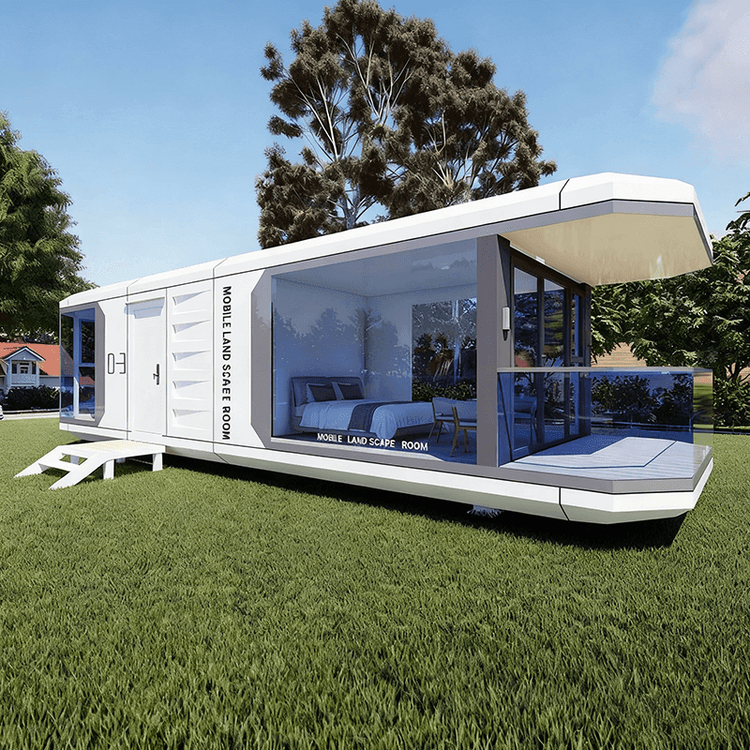
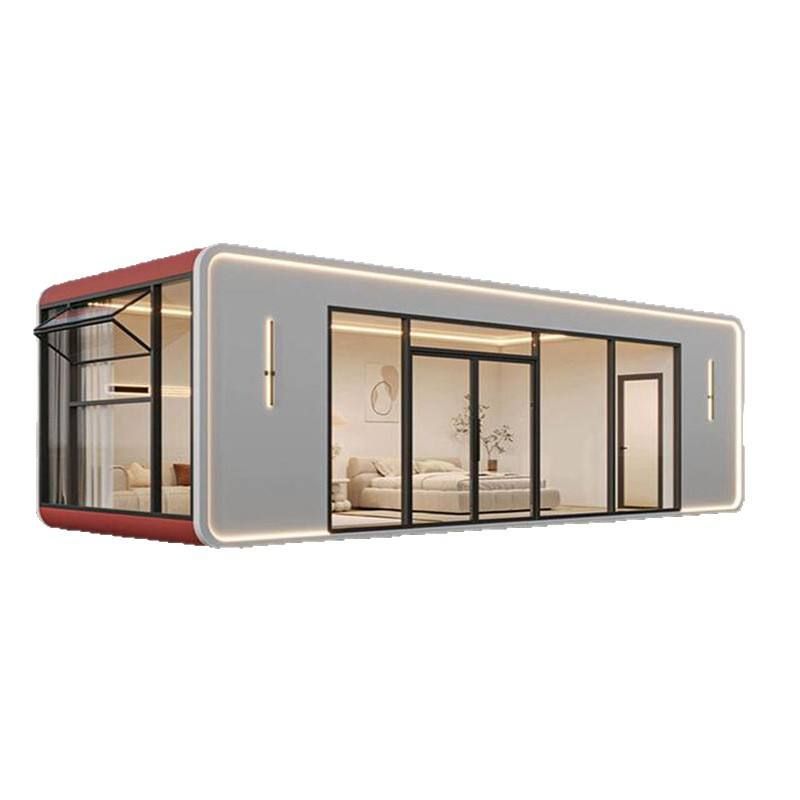
Container houses come in a variety of types, including residential container houses, mobile toilets, prefabricated packing-box units, mobile panel houses, container temporary buildings, container villas, etc. These houses can be flexibly combined and configured according to their intended use and scenarios to meet the needs of different customers. For example, container houses are commonly used on construction sites as workers' dormitories or temporary offices; in tourist attractions, container villas may be used as unique accommodation facilities.
III. Material Characteristics
The materials used for container houses are diverse, with common options including sandwich panels, color-coated steel sheets, and rock wool panels. These materials have different characteristics; for instance, sandwich panels offer good thermal insulation properties; color-coated steel sheets are lightweight, strong, and aesthetically pleasing; rock wool panels provide excellent fire resistance. Manufacturers select appropriate materials for construction based on customer needs and the intended use of the house.
IV. Application Scenarios
Container houses are widely used in various fields due to their convenience, flexibility, and cost-effectiveness. On construction sites, they serve as temporary buildings, providing workers with comfortable living and working environments; in tourist attractions, they act as unique accommodation facilities, attracting tourists to experience different ways of staying; at disaster relief sites, they function as temporary shelters, offering emergency refuge for affected people.