Back to blog
Article
Jimei Outdoor Mobile Toilet Installation
Admin October 01, 2026
The installation process of outdoor mobile toilets in Jimei typically follows the core steps of 'positioning - assembly - connection', as detailed below:

1. Positioning
Determine the installation location based on site planning and ground conditions, which must meet the following requirements:
- Ground Stability: Choose a hardened ground or ensure the foundation bearing capacity through compaction or concrete pouring to prevent toilet tilting or damage due to ground settlement.
- Drainage Smoothness: If the toilet needs to be connected to the municipal sewage system, plan the sewage pipe route in advance to ensure the slope meets the standard (usually not less than 1%); if an independent septic tank is used, reserve a cleaning port and maintain a reasonable distance from the toilet.
- Spatial Rationality: Reserve sufficient operating space (such as door opening radius, ventilation port location) to avoid conflicts with surrounding buildings or facilities.
2. Assembly
Select the corresponding assembly method based on the toilet type:
- Split-type Mobile Toilet:
- Chassis Installation: Use a forklift or crane to place the prefabricated steel structure chassis steadily at the predetermined position, adjust it to a horizontal state with a level gauge, and fix the anchor bolts to prevent displacement.
- Wall Assembly: Insert the sandwich panel wallboards into the chassis slots one by one and fasten them with bolts or buckles; pay attention to sealing treatment when installing the roof panel, using waterproof glue or silicone sealant to fill the gaps and prevent rainwater leakage.
- Internal Equipment Installation: Include partitions, toilets, flushing systems, sinks (optional), lighting, and ventilation equipment. The connection of water and electricity pipelines should be operated by professionals, using modular quick connectors to shorten the time while ensuring that the lines are concealed and comply with safety regulations.
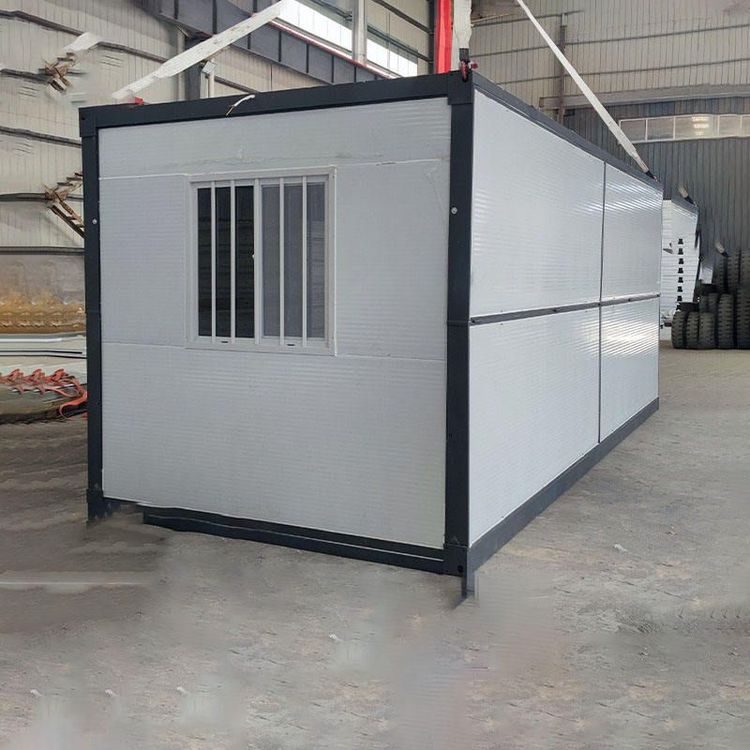
- Integrated Mobile Toilet (Box-type Toilet): The factory has completed the interior decoration and equipment integration. On-site, it only needs to be hoisted as a whole to the designated position by a crane, and connected to water, electricity, and sewage pipelines. The installation time can be shortened to 2-4 hours.
3. Connection and Debugging
- Function Testing: Conduct flushing tests (check water pressure and drainage speed), circuit checks (ensure no electric leakage or short circuit), and sealing checks (focus on doors, windows, and pipe joints).
- Standard Compliance: Refer to the 'Mobile Toilet Hygiene Specification' (GB/T 21239-2023) to confirm structural safety (such as wind resistance level, load-bearing capacity) and hygiene standards (such as ventilation volume, odor concentration).
- Acceptance and Delivery: Jointly inspected by the installer, user, and supervisor, and signed confirmation documents before being put into use.
Tip: Xiamen Yonghong Steel Structure Engineering Co., Ltd. specializes in mobile toilet services and can provide installation services in the Jimei area. It is recommended to contact a professional team to ensure compliance and efficiency.
Related