
Back to blog
Article
Jilin Smart Mobile Toilet
Admin September 26, 2026
The Jilin Smart Mobile Toilet is a modern public sanitation facility that deeply integrates environmental protection technology with operational intelligence, achieving efficient resource utilization and service quality improvement through technological innovation and management optimization.
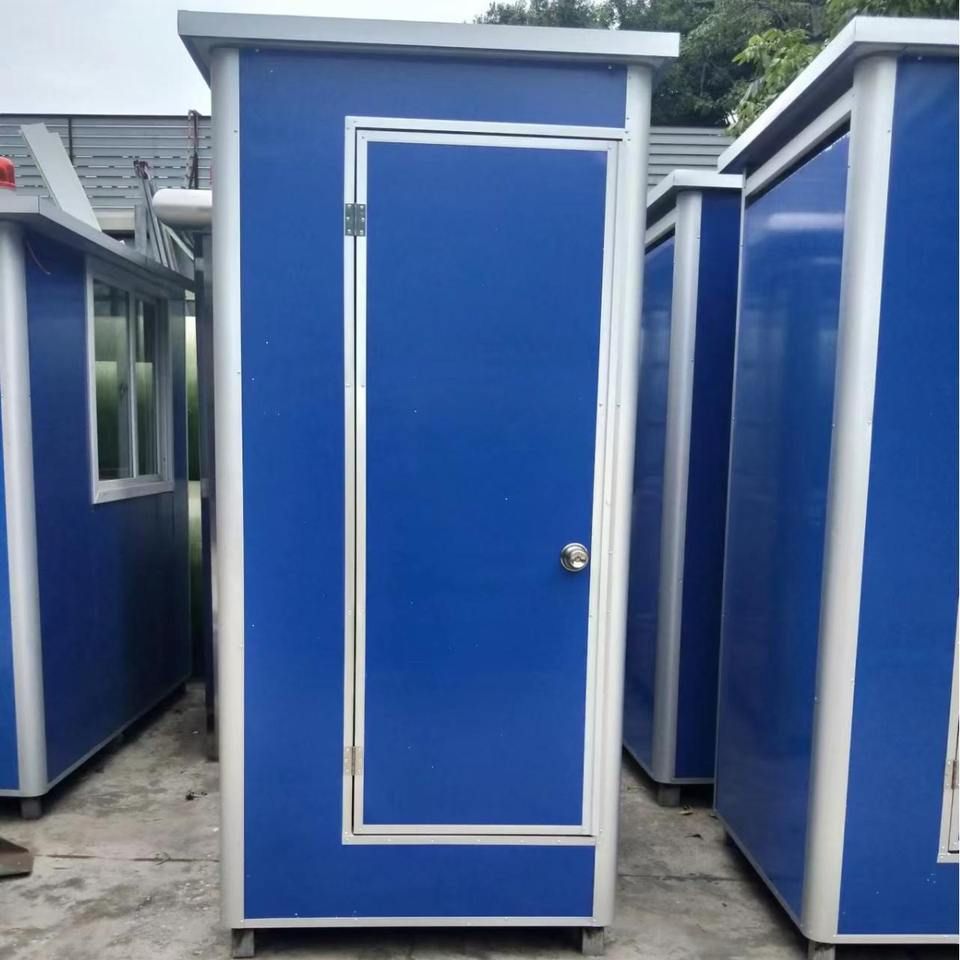
Environmental Protection Technology Attributes
- Green Material Application: The toilet body is made of high-density polyethylene or fiberglass-reinforced plastic, which is recyclable and supports repeated disassembly, transportation, and installation, reducing material waste.
- Pollution Control Technology: By combining solid-liquid separation with microbial treatment, excrement is separated by gravity, with solids entering a sealed fermentation chamber and liquids undergoing anaerobic-aerobic two-stage biological treatment. The effluent meets agricultural irrigation or municipal discharge standards, reducing environmental pollution.
- Energy and Water Resource Recycling: Flexible solar thin films are integrated on the roof, with daily power generation sufficient to support lighting, ventilation, and smart system operation for 16 hours. High-pressure mist flushing technology consumes only 0.3 liters of water per use, and some models are equipped with rainwater collection devices that filter water through three stages for flushing, reducing external water supply dependency by 85%.
Operational Intelligence Features
- Smart Scheduling System: Based on historical data, a predictive model is established to forecast peak demand for large events or construction sites 72 hours in advance. The scheduling system integrates mobile toilet units, sewage suction vehicles, and maintenance personnel, generating optimal allocation plans by combining real-time traffic conditions and equipment status, expanding the daily service radius by over 40%.
- Preventive Maintenance System: Each unit is equipped with more than 20 sensors to monitor parameters such as ammonia concentration and tank levels in real time. The system automatically generates maintenance work orders and pushes them to technicians' terminals. Service quality is cross-validated through user QR code feedback and sensor data, forming a dynamic evaluation map.
- Smart Management Platform: Internal sensors monitor flow, air quality, and material inventory, while data processing units analyze usage peaks, consumable demand, and key indicators. The control unit automatically triggers ventilation, lighting, and cleaning prompts, and reports faults automatically.
Social Value and Benefits
- Public Service Upgrade: Transforming traditional static assets into dynamic service modules enhances the resilience of the public service network in responding to uncertain demands and optimizes the coverage effectiveness of fiscal resources.
- Quantifiable Environmental Benefits: Through excrement resource treatment, reduced freshwater consumption and sewage discharge loads, and decreased long-term operational energy and resource consumption, a mobile supplementary layer for urban infrastructure is constructed. Over 90% of components from retired equipment can be remanufactured, forming a full-lifecycle environmental protection closed loop.



