Assembly of Prefabricated Houses in Rural Jilin
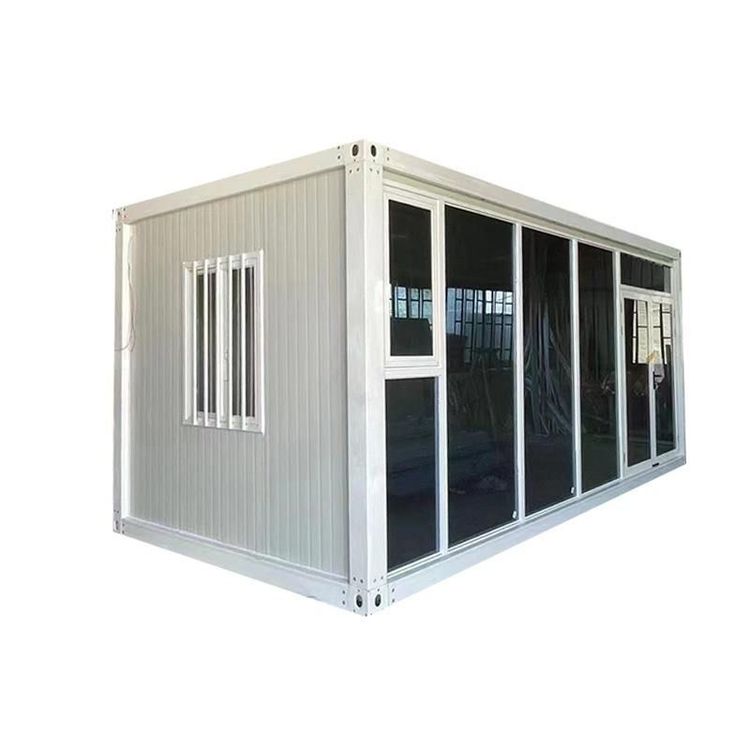
**The assembly of prefabricated houses in rural Jilin primarily adopts the 'factory prefabrication + on-site assembly' model, characterized by high efficiency, cost-effectiveness, and adaptability to severe cold climates, widely applied in rural construction. **

1. Significantly Improved Construction Efficiency
Traditional brick-and-mortar houses take 1-3 months from foundation construction to occupancy, whereas prefabricated houses, with standardized factory production of wall and roof components, require only 3-5 days for on-site main structure assembly and can complete interior decoration within a week, reducing the overall construction period by over 80%. The core lies in modular design, with precise component dimensions and uniform interfaces, combined with BIM technology for construction simulation, minimizing on-site adjustments and improving construction efficiency by over 50% compared to traditional methods.
2. Prominent Cost Control Advantages
Prefabricated houses reduce material waste through mass production and lower labor costs due to reduced on-site wet work. For example, a 120-square-meter house costs approximately 180,000 yuan in traditional brick-and-mortar construction, while a prefabricated house costs only 120,000 yuan, saving 300-500 yuan per square meter and reducing total costs by 20%-30%. Additionally, the steel structure frame is recyclable, further lowering long-term maintenance costs.
3. Enhanced Adaptability to Severe Cold Climates
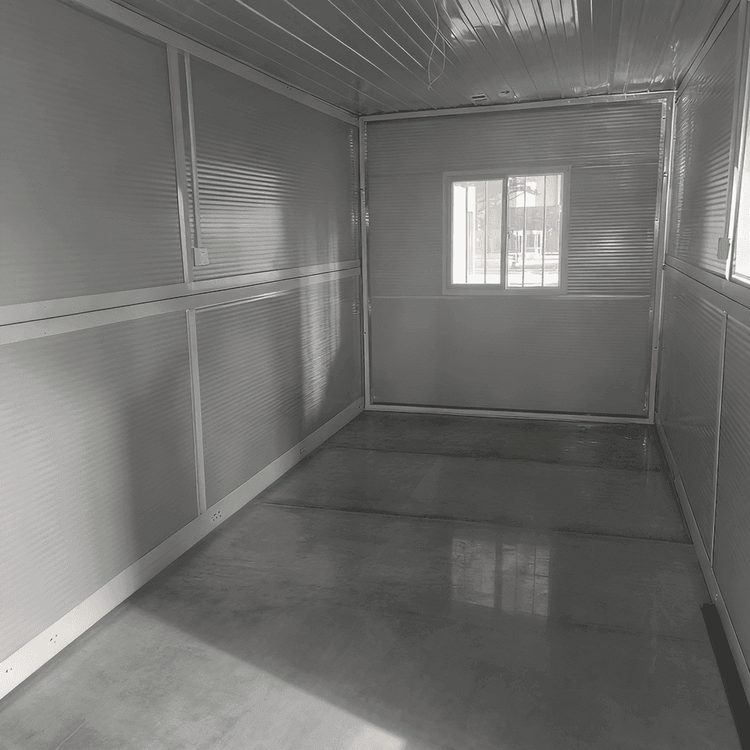
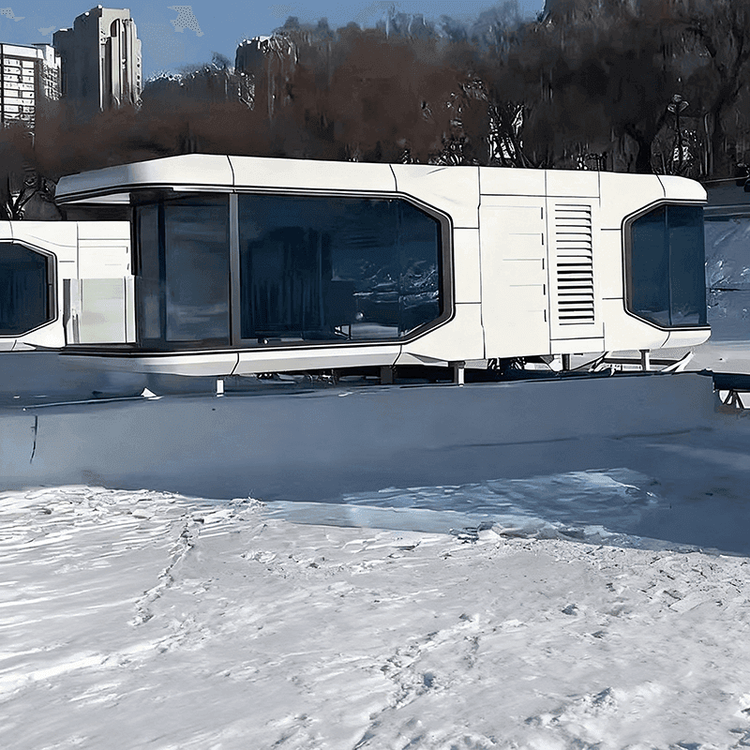
To address Jilin's cold winters, prefabricated houses employ 'steel structure + multi-layer insulation' composite walls, with a thickness of 15-20 centimeters, adding 2-3 layers of insulation material compared to traditional houses. High-performance materials such as sandwich insulation panels and polyurethane spraying ensure the building's heat transfer coefficient meets energy efficiency standards for severe cold regions, keeping indoor temperatures 3-5℃ higher than traditional houses in winter and reducing heating energy consumption.
4. Safe and Reliable Technical System
The structural system primarily consists of light steel frames or concrete prefabricated frames, offering both seismic resistance (withstanding magnitude 8 earthquakes) and durability (design life of over 50 years). Connection nodes use dry construction methods and high-strength bolts for fixation, avoiding quality risks associated with on-site welding and reducing environmental interference from wet work. BIM technology is integrated throughout the design, production, and installation processes, enabling precise component positioning and construction error control.
5. Diversified Application Scenarios
This technology has been applied in various fields in Jilin, including affordable housing, rural homestays, emergency shelters, and supporting facilities for industrial parks. For instance, some counties have achieved '7-day main structure completion and 15-day handover for occupancy' in post-disaster reconstruction through centralized procurement of prefabricated modules, significantly shortening delivery cycles and supporting rural revitalization strategies.
6. Transparent and Referenceable Price Range
The assembly price for new rural steel structure houses is approximately 1,100 yuan per square meter, with specific costs varying based on material specifications, insulation layer thickness, and decoration standards. Government subsidy policies further reduce the financial burden on villagers for house construction, promoting the widespread adoption of prefabricated houses.