Jilin Mobile Public Toilet Planning
The planning of mobile public toilets in Jilin covers multiple aspects such as applicable scenarios, preliminary planning, functional design, material structure, system support, sharing models, and customized installation.

Applicable Scenarios and Flexibility: Mobile public toilets in Jilin primarily serve large-scale event venues, construction sites, natural disaster relief efforts, and other scenarios. Their core advantage lies in flexible deployment and rapid response. For example, at outdoor music festivals and temporary exhibitions, mobile toilets can be quickly arranged according to the venue layout to meet the toilet needs of a large number of people in a short period, avoiding service gaps caused by insufficient fixed facilities.
Preliminary Planning and Estimation: The layout of mobile toilets requires data-driven analysis based on event scale, pedestrian density forecasts, and service radius. By estimating the service capacity of a single toilet and the usage frequency during peak hours, the distribution of toilet locations can be optimized to avoid queues and congestion. For instance, large-scale exhibitions may allocate one toilet stall for every 50-100 people and arrange centralized or decentralized layouts based on pedestrian flow patterns.
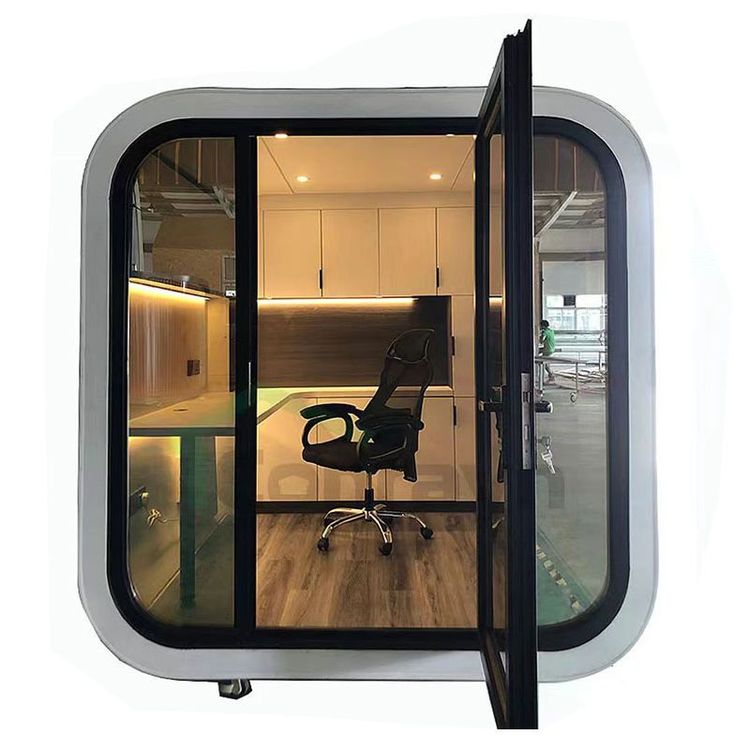
Functional Integration and Environmental Attributes: Modern mobile toilets employ waterless flushing or microbial degradation technologies, converting waste into odorless, reduced-volume organic matter through biological processes, significantly reducing water demand and subsequent treatment burdens. The toilet compartments integrate ventilation systems, lighting systems, and limited handwashing facilities. Some models are equipped with small solar panels or built-in batteries for self-sufficient energy. For example, microbial degradation toilets can reduce sewage discharge by over 90%, making them suitable for water-scarce or environmentally demanding scenarios.
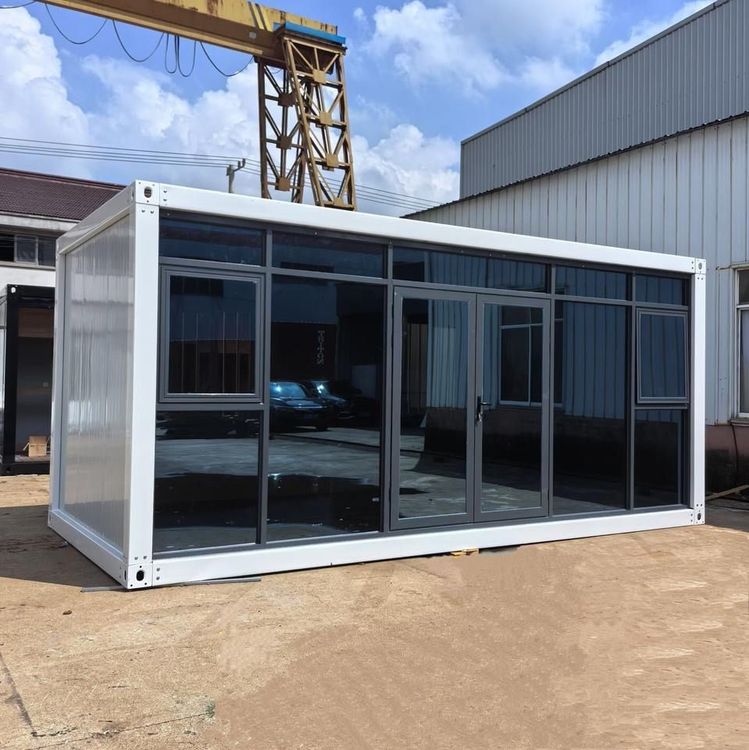
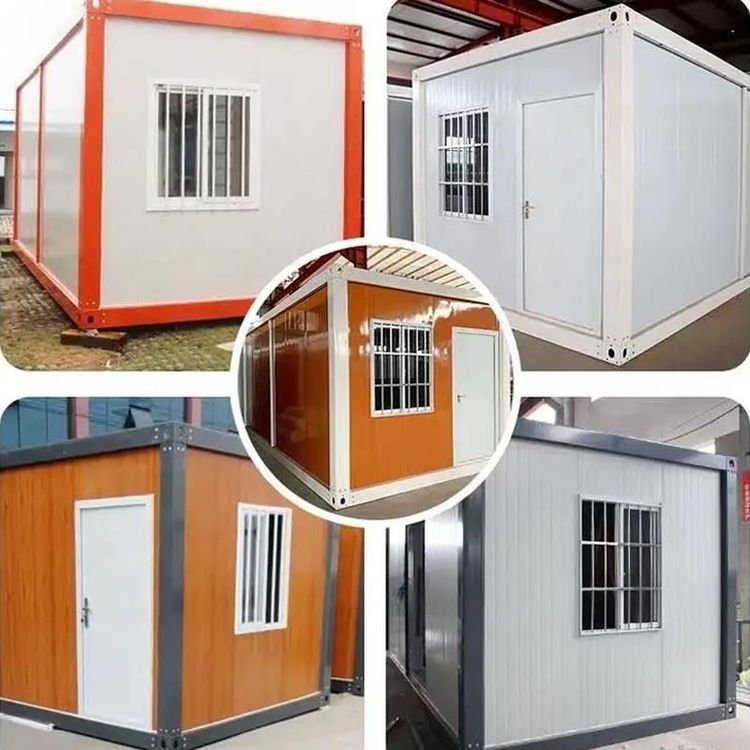
Material and Structural Design: The main structure is made of high-strength composite materials or lightweight metal frames, with modular exterior designs for easy transportation and deployment. Some models feature folding or modular designs, reducing storage space requirements and enhancing responsiveness to short-term events. For example, folding toilets can be compressed to one-third of their original volume during transportation and assembled on-site in just a few hours.
Systematic Sanitation Support for Large-Scale Events: The provision of mobile toilets has evolved into a logistical system encompassing maintenance, cleaning, and monitoring. Support teams need to establish cleaning frequency standards (e.g., inspections every 2 hours), emergency plans (e.g., rapid replacement of faulty toilet stalls), and introduce sensors to provide real-time feedback on toilet stall usage status and sanitary supply levels, enabling precise maintenance dispatching.
Shared Toilet Model: Through the 'Shared Toilet' initiative, Jilin City has incorporated toilets from street-side businesses and government units into a public convenience network. Citizens can use the 'Jiangcheng Toilet Finder' mini-program to locate and navigate to 614 toilet facilities. Participating units must meet three standards: well-maintained facilities, dedicated cleaning staff, and free access, forming a complementary service system of 'fixed + mobile' toilets.
Customization and Rapid Installation: To meet different project requirements, mobile toilets adopt prefabricated assembly technology, with core components standardized and produced in factories for quick on-site assembly like building blocks. This approach eliminates the need for large-scale excavation and construction, generates no construction waste, and can be put into use in just a few days from site entry, significantly shortening the construction cycle.