Jilin Environmental Protection Mobile Toilet
The environmental protection mobile toilets in Jilin are characterized by advanced technology, high-quality materials, outstanding advantages, and efficient operation.

Technology: The fecal treatment methods for environmental protection mobile toilets in Jilin are diverse. Microorganisms in natural soil are cultivated through pure culture to decompose feces and toilet paper used in mobile public toilets, with no waste residue discharged. These microorganisms have strong growth and reproduction capabilities, and only 5% of them need to be added annually to ensure normal operation. Some toilets combine solid-liquid separation with microbial treatment technology. After gravity separation of excreta, the solid matter enters a sealed fermentation chamber, while the liquid undergoes two-stage biological treatment (anaerobic and aerobic), with the final effluent mostly meeting the standards for agricultural irrigation or municipal sewer discharge. There are also eco-friendly mobile public toilets that do not require water flushing, have no odors, and do not attract mosquitoes and flies. Their solar energy systems can provide heating and hot water. The biogas produced from chicken manure and straw composting can be used as a clean energy source or even for power generation. The new generation of mobile toilets integrates flexible solar thin films on the top, with an average daily power generation capacity that can support the continuous operation of lighting, ventilation, and intelligent sensing systems for 16 hours. The water-saving design breaks through the traditional flushing mode, adopting high-pressure air-mist flushing technology, with a single water consumption controlled within 0.3 liters. Some high-end models are equipped with rainwater collection devices, and the collected rainwater is filtered through three stages for flushing and recycling, reducing external water supply dependence by 85%.
Materials: The toilet bodies are generally made of high-density polyethylene or fiberglass-reinforced plastic. These two materials can withstand repeated disassembly, transportation, and installation throughout their life cycles and are recyclable.
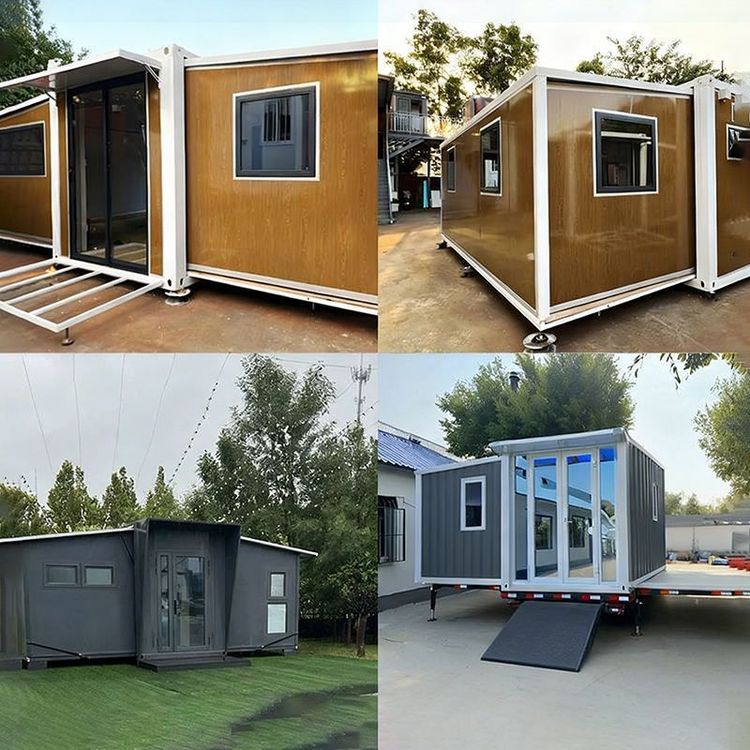
Advantages: The environmental protection mobile toilets in Jilin can be moved freely, easily avoiding resource waste caused by house demolitions. They are more energy-efficient and environmentally friendly, saving land area compared to traditional toilets. They are durable, resistant to corrosion and rust, and do not require water flushing, thus saving water resources. The mobile toilets have novel styles and are eco-friendly. According to urban planning, their placement locations can be changed freely, and the insulated eco-friendly mobile public toilets are deeply loved by the general public.
Operation: Service providers establish prediction models based on historical usage data to predict the peak demand for toilets at large-scale events or construction sites 72 hours in advance. The scheduling system generates optimal allocation plans based on real-time order distribution, traffic conditions, and equipment status, expanding the single-day service coverage radius by more than 40% compared to traditional models. Each toilet unit is equipped with more than 20 sensors to continuously monitor parameters, and the system automatically generates maintenance work orders and pushes them to the nearest technician's terminal. Quality assessment is carried out through cross-validation of user QR code feedback and sensor data to form a dynamic service quality map.