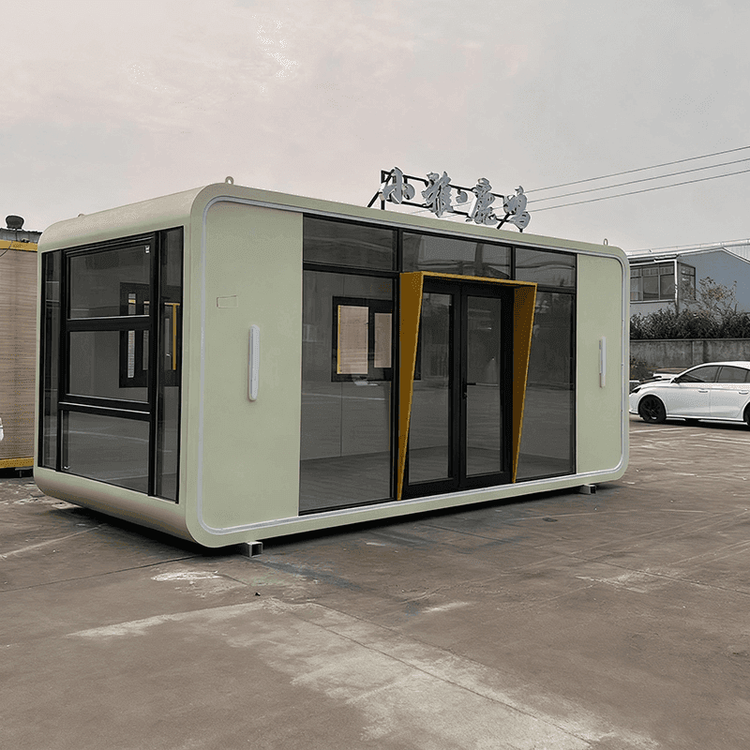
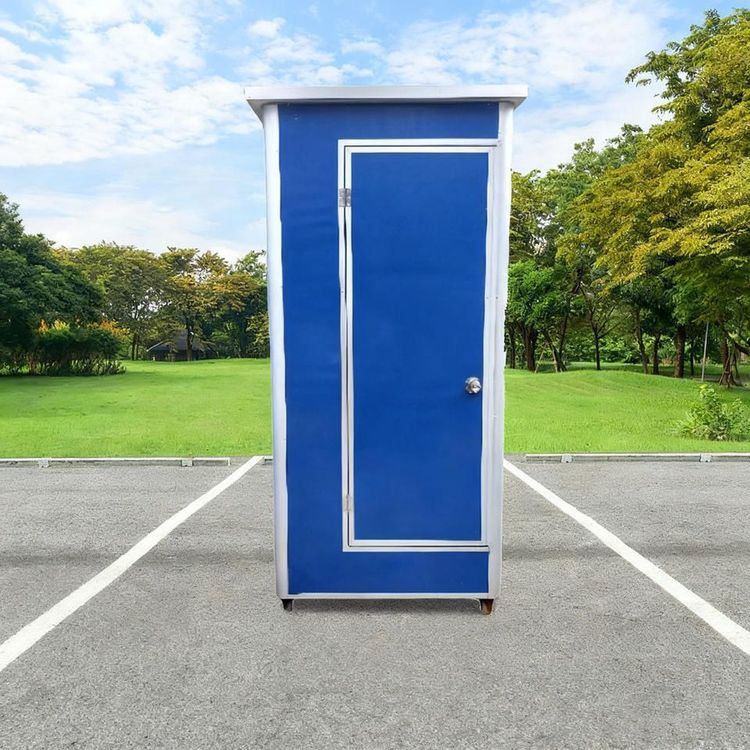
Jiecheng Biological Mobile Toilet
Currently, there is no publicly available detailed information about the 'Jiecheng Biological Mobile Toilet'. The following provides a popular science introduction covering the general concept of mobile toilets, common types, and the principles of biological treatment technology:
General Concept of Mobile Toilets
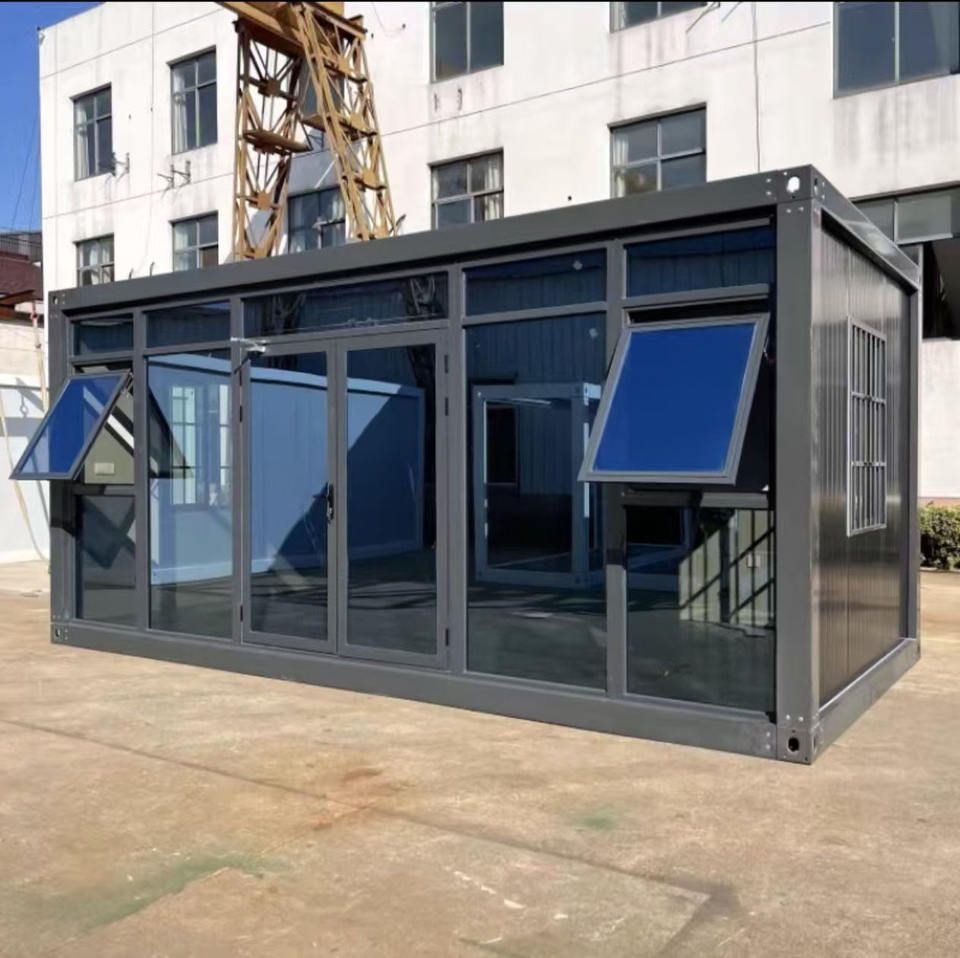
Mobile toilets are portable and flexible public toilet facilities that break through the limitations of traditional fixed toilets. They can be quickly installed and relocated according to the needs of different venues, such as large-scale event sites, construction sites, and tourist attractions, providing convenient toilet services for people.
Common Types of Mobile Toilets
- Packing-type Mobile Toilets: These toilets use special packing devices to seal and package feces and other excreta. After each use, the excreta is automatically packaged into independent bags, facilitating subsequent collection and transportation, and avoiding odor emission and environmental pollution.
- Foam-type Mobile Toilets: They utilize the rich foam generated by foaming liquid to cover the inner walls of the toilet bowl, reducing the contact area between excreta and the bowl. At the same time, the foam has good lubricating and sealing properties, effectively preventing odor emission. Moreover, the amount of foam used is relatively small, resulting in significant water-saving effects.
- Microbial Degradation Mobile Toilets: This is a relatively advanced type that uses microorganisms to degrade excreta. A dedicated microbial treatment tank is set up inside the toilet, and specific microbial strains are added. These microorganisms can rapidly decompose organic matter in feces, converting it into harmless substances such as carbon dioxide, water, and a small amount of inorganic salts.
Principles of Biological Treatment Technology (Taking Microbial Degradation Mobile Toilets as an Example)
The core of microbial degradation mobile toilets lies in the action of microorganisms. Under suitable environmental conditions, such as appropriate temperature, humidity, and pH, microorganisms can secrete various enzymes to decompose large-molecule organic matter in feces into small-molecule substances. For example, proteins are decomposed into amino acids, and carbohydrates are decomposed into glucose. These small-molecule substances are further absorbed and utilized by microorganisms for metabolism, ultimately being converted into harmless substances and discharged from the body. Through this biological treatment method, not only is the harmless treatment of excreta achieved, but the dependence of traditional toilets on water resources and the environmental pollution caused by sewage discharge are also reduced.