
Jiaozuo Temporary Container House
The Jiaozuo temporary container house uses containers as carriers and meets temporary living and office needs through customized modifications. It has characteristics such as environmental protection, energy efficiency, flexible combination, and convenient transportation, but attention should be paid to fire safety and compliance in use.
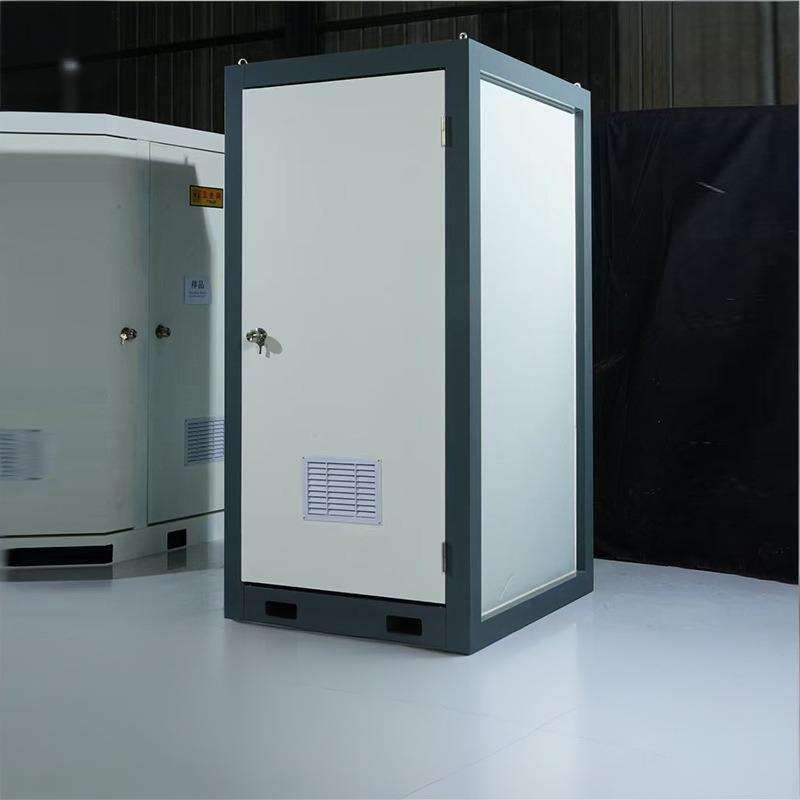
I. Product Features and Functions
The temporary container house is based on standard containers and achieves diverse uses through interior decoration and functional zoning. Its core material is sandwich panels (such as rock wool panels and fireproof cotton panels), which have fireproof, heat-insulating, and soundproof properties. Some products have passed fire safety certifications and meet Class A fireproof standards. The interior is fully equipped, usually including lighting, sockets, and dedicated interfaces for air conditioners. Some products come pre-installed with air conditioners and tables and chairs, enabling 'move-in ready' living. The space design is flexible, supporting independent use of a single container or the expansion by connecting multiple containers. It can achieve personalized layouts such as large living rooms, duplex floors, and balconies, meeting the needs of various scenarios such as construction site dormitories, temporary offices, warehouses, and shops.
II. Advantages and Application Scenarios
- Efficiency and Convenience: The modular design supports rapid installation and disassembly, with a single installation cycle shortened to less than half a day, adapting to infrastructure projects with tight schedules.
- Economy and Environmental Protection: Components can be reused multiple times, with high material utilization rates. The overall cost is about 30% lower than that of traditional temporary buildings, and dry construction methods reduce dust and noise pollution.
- Safety and Durability: The main frame is made of galvanized square tubes or C-shaped steel, with stable wind resistance ratings. Combined with fireproof sandwich panels, it does not spread flames when exposed to open fire and has a service life of more than 15 years.
- Flexible Adaptation: It supports customization of dimensions, layouts, and functions according to needs, such as double-decker containers with stairs and flexible combinations of assembled containers, adapting to use in complex terrains and densely populated areas.
III. Fire Safety and Compliance Points
- Material Selection: Prioritize the use of Class A fireproof materials such as rock wool panels and fireproof cotton panels, and avoid using flammable sandwich panels such as polystyrene and polyurethane foam.
- Safety Distance: Maintain a minimum distance of 6 meters between container houses to prevent the spread of fire.
- Electrical Specifications: Protect wires and cables with sleeves, use metal galvanized boxes for socket and switch boxes and install them openly, and equip with simple fire-extinguishing equipment.
- Heat Source Management: Keep heat sources and open flames away from the container houses, maintain a safe distance for open-flame operations, and regularly inspect electrical wiring.



