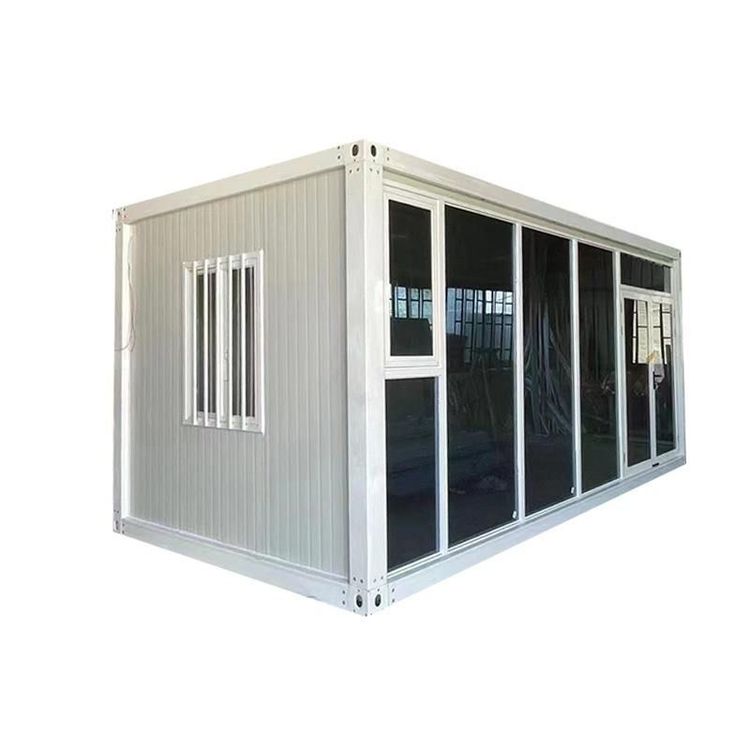
Jianwei Rural Mobile Toilets
Mobile toilets for rural areas in Jianwei can be obtained through leasing, sales, or custom services. The specific plan needs to be determined through communication with local manufacturers or service providers based on the scenario requirements.

1. Existing Service Types of Mobile Toilets in Jianwei
Currently, the mobile toilet services provided in the Jianwei area mainly cover scenarios such as construction sites, music festivals, and scenic spots. The types include single-unit mobile toilets, connected mobile toilets, and trailer-mounted mobile toilets. These products generally feature portability, rapid deployment, and basic sanitary facilities (such as squat toilets, urinals, and hand-washing basins). Some high-end models are also equipped with ventilation systems, lighting equipment, or septic tanks to meet the usage requirements in different environments.
2. Adaptability Analysis for Rural Scenarios
When using mobile toilets in rural areas, it is essential to focus on terrain adaptability, usage frequency, and maintenance costs. For example, in mountainous or hilly areas, lightweight and easy-to-carry models should be selected; in densely populated areas, multi-cubicle connected toilets may be required to improve usage efficiency; and for long-term usage scenarios, it is recommended to choose corrosion-resistant materials (such as stainless steel or high-density polyethylene) to reduce maintenance frequency.
3. Acquisition Channels and Custom Services
- Leasing Services: Suitable for short-term events (such as farming seasons and gatherings), you can contact local service providers (e.g., Manager Qin, phone: 13776562074) to lease as needed. The cost is usually calculated on a daily or monthly basis.
- Sales and Customization: For long-term usage, you can customize simple mobile public toilets from local manufacturers. The manufacturers can adjust the number of toilet cubicles, sewage disposal methods (such as direct discharge or septic tanks), and appearance dimensions according to rural needs, with prices varying based on the configuration.
- Policy Support: Some rural areas may be eligible for government subsidies or environmental protection project support. It is recommended to consult the local agricultural and rural bureau or environmental protection department to inquire about relevant preferential policies.
4. Precautions
- Sewage Disposal: Rural areas need to plan sewage disposal plans in advance to avoid direct discharge that pollutes the environment.
- Regular Maintenance: Mobile toilets require regular cleaning of septic tanks and inspection of equipment. It is recommended to sign a maintenance contract with the service provider.
- User Training: Provide simple operation training to villagers to ensure correct usage and extend the service life of the equipment.
For further information on specific plans for rural scenarios, it is recommended to directly contact local service providers or manufacturers and provide information on the usage scenario, number of people, and budget to obtain targeted advice.