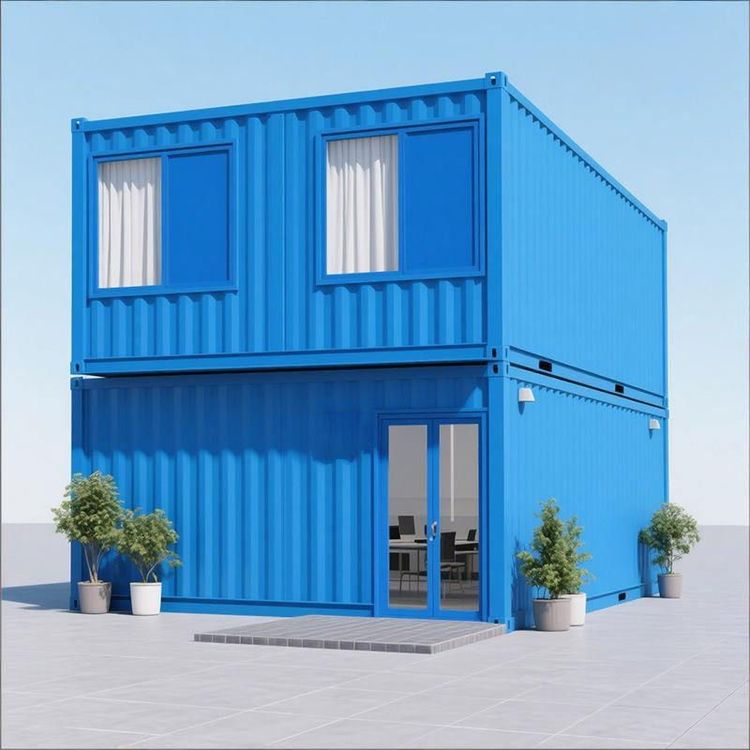
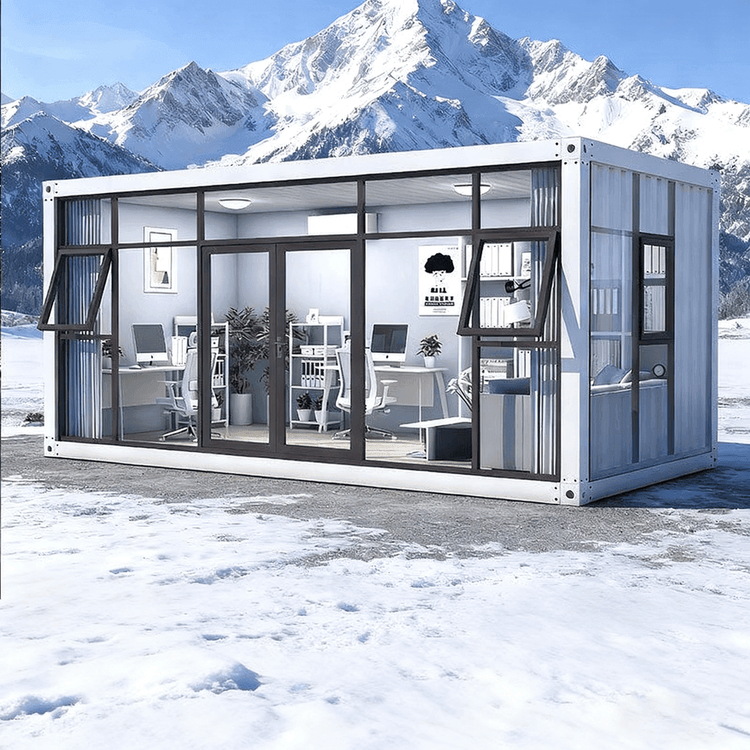
Jiangxi Mobile Smart Toilet Operation
The operation of Jiangxi Mobile Smart Toilets should focus on professional operation and maintenance, compliant management, and localized services to enhance reliability and user experience.

I. Daily Operation and Maintenance Management
1. Pre-delivery Equipment Inspection: Test the flushing system, drainage pipe sealing, and electrical connections (such as lighting functions) to ensure no leaks or lingering odors. Clean the interior and exterior surfaces with a neutral detergent, focusing on contact areas like toilets and sinks, and replenish consumables such as toilet paper, hand soap, and air fresheners.
2. Regular Inspections and Maintenance: During events, it is recommended to conduct inspections once in the morning and once in the evening daily, and every 4 hours during peak periods, focusing on flushing pressure and water tank levels. Equip with a simple maintenance toolkit; use specialized unclogging agents for blockages and contact a professional electrician for electrical faults.
3. Cleaning Frequency Standards: High-traffic areas should be thoroughly cleaned every 8 hours, while general areas require at least 2 basic cleanings per day, with disinfection of key areas and garbage removal during cleaning.
II. Special Scenario Responses
1. High-Temperature Weather: Replenish the water tank's cooling water daily and install sunshades to reduce internal temperatures.
2. Rainy Environments: Check the drainage holes at the bottom of the equipment for blockages, elevate equipment in low-lying areas to prevent water ingress, and install waterproof barriers before the rainy season.
3. Large-Scale Event Support: Confirm peak usage periods in advance, arrange for dedicated on-site staff, and dynamically adjust cleaning frequencies based on foot traffic density.
III. Compliance and Quality Requirements
1. Qualification Verification: Products must possess environmental protection and sewage discharge qualifications, fire safety certifications, and steel structure quality inspection reports. The use of unqualified, simply assembled, low-quality toilets is strictly prohibited in scenic spots and municipal projects.
2. Localized Adaptation: Given Jiangxi's subtropical monsoon climate (hot and rainy summers, damp and cold winters), toilets must feature corrosion resistance, waterproofing, ventilation and odor control, and wind and pressure resistance.
IV. User Guidance and Emergency Services
1. Usage Guideline Promotion: Post signs prohibiting the dumping of debris and the disposal of cigarette butts, assign on-site personnel to deter violations (such as excessive flushing or climbing on equipment), and collect satisfaction feedback through questionnaires or interviews.
2. Fault Response: Clearly outline emergency procedures in the leasing agreement (such as 24-hour readiness and on-site repairs within 2 hours), equip with an emergency maintenance toolkit, and offer value-added services like increased cleaning frequencies based on customer needs.
Through systematic operation and maintenance, compliant operations, and localized services, Jiangxi Mobile Smart Toilets can effectively reduce failure rates, enhance user satisfaction, and lay the foundation for long-term cooperation.