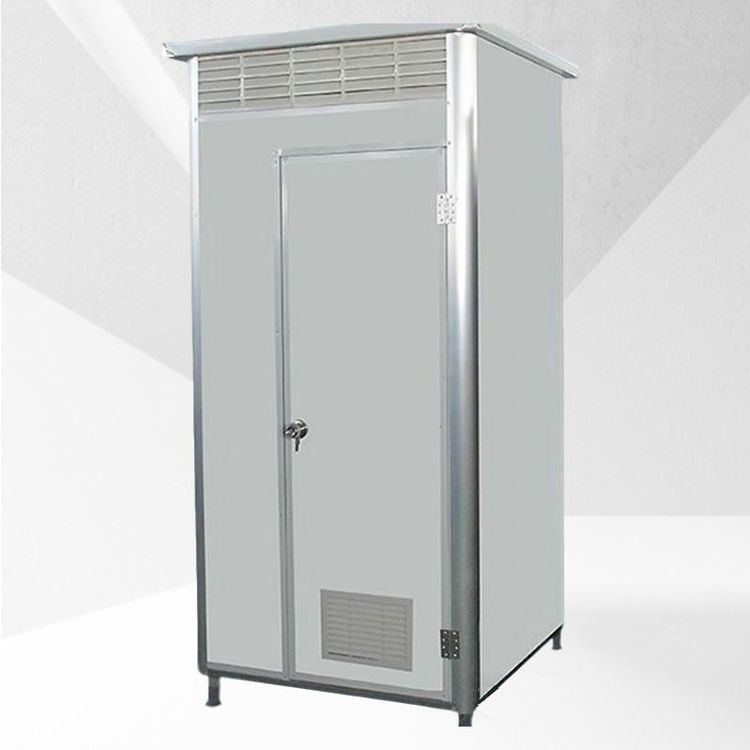
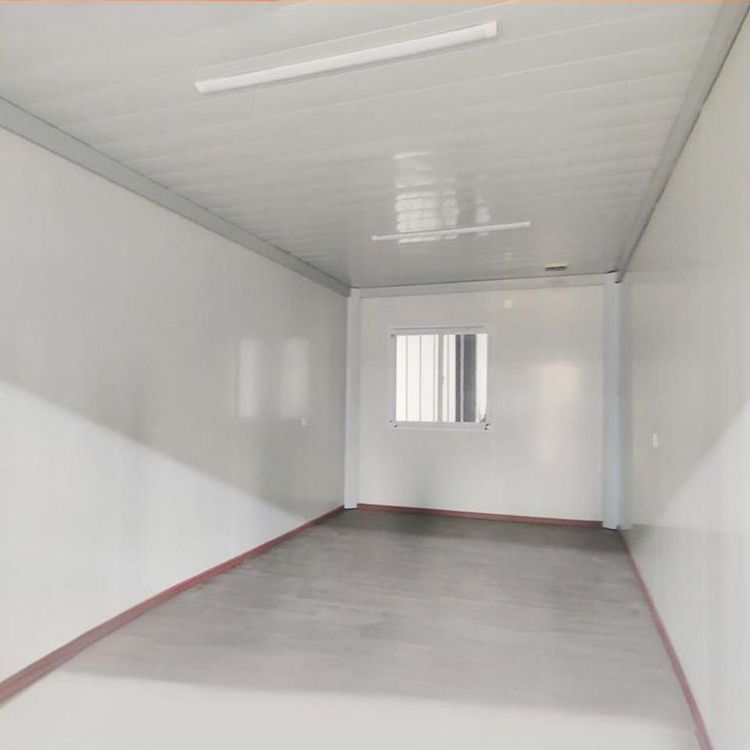
Jiangsu Taixing Mobile Toilet Inspection
The inspection of mobile toilets in Taixing, Jiangsu, mainly includes building and structural verification, structural damage condition inspection, structural safety calculation and analysis, and steel material performance testing, which can be provided by professional inspection agencies such as Shanghai Baoye Engineering Technology Co., Ltd. and Jiangsu Junce Engineering Technology Co., Ltd.

Building and Structural Verification: Inspectors use handheld laser rangefinders and steel tapes to conduct sampling verification of the architectural layout of mobile toilets, including wall distribution, door and window locations and sizes. At the same time, they measure the axis dimensions and heights of structures to ensure compliance with design requirements. This step is the foundation of the inspection, enabling a preliminary assessment of whether the architectural structure of the mobile toilet is reasonable and whether there are obvious deviations or errors.
Structural Damage Condition Inspection: The inspection primarily focuses on checking whether the main load-bearing components of the mobile toilet, such as steel beams and columns, exhibit obvious signs of aging or deformation. Additionally, careful examination is conducted at the joints of load-bearing steel components to identify any abnormalities, such as loose connections or corrosion. Furthermore, the reliability of connections between steel beams and columns, the integrity of welds, and the presence of obvious cracks are also inspected. These inspections can promptly identify potential safety hazards in the structure of the mobile toilet, providing a basis for subsequent repairs or reinforcements.
Structural Safety Calculation and Analysis: Based on the 'Building Structural Load Code' and on-site investigations, factors such as dead loads, live loads, wind loads, seismic actions, and material parameters are considered. Combined with on-site inspection data and original design and construction documents, professional PKPM software is used to perform load-bearing capacity calculations and analyses on the mobile toilet structure. This step scientifically evaluates the structural safety of the mobile toilet, ensuring its ability to withstand various loads during use and safeguarding the safety of users.
Steel Material Performance Testing: This primarily involves non-destructive testing of welds in the steel structure and testing the mechanical properties of the steel, including tensile strength, yield strength, and impact tests. This testing item is not mandatory but is determined based on the owner's needs. Through steel material performance testing, a deeper understanding of the quality of the steel used in the mobile toilet can be gained, providing more comprehensive data support for structural safety assessments.