
Back to blog
Article
Jiangsu Mobile Smart Toilet Inspection
Admin September 20, 2026
The inspection of Jiangsu mobile smart toilets mainly involves the inspection of system components and the evaluation of products from mobile toilet manufacturers. Currently, there is no clear information about third-party inspection institutions specifically targeting them, but reference can be made to similar third-party inspection institutions.
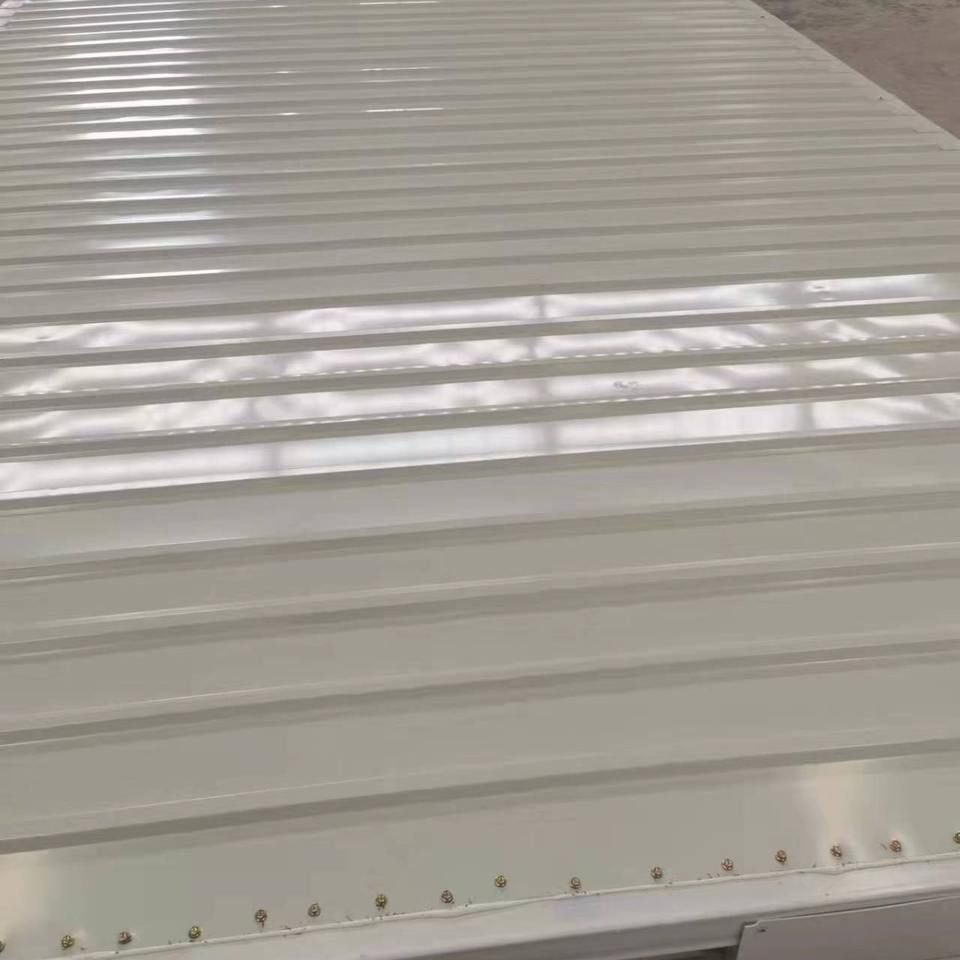
Inspection of Smart Toilet System Components
- Environmental Perception and Data Acquisition Components: The space occupancy monitoring unit uses infrared sensors, ultrasonic sensors, or millimeter-wave radars to accurately perceive the space usage inside the toilet. The environmental quality sensing array includes ammonia and hydrogen sulfide gas sensors, temperature and humidity sensors, and particulate matter sensors, which can monitor environmental indicators such as air quality, temperature and humidity, and particulate matter concentration inside the toilet in real-time. Facility status monitoring devices such as flow sensors, liquid level sensors, and door magnetic switches can monitor the operation of facilities such as water flow, water tank liquid level, and door switch status inside the toilet. Visual and auxiliary acquisition devices, including ordinary cameras, one-click call buttons, or touch-screen interactive terminals, can realize functions such as video surveillance, emergency calls, and information interaction.
- Data Aggregation and Edge Processing Components: Internet of Things gateways and edge computing nodes are responsible for aggregating and initially processing the various types of data collected, improving data processing efficiency and response speed.
- Network Transmission and Communication Components: Ensure that data can be stably and quickly transmitted to the management platform for remote monitoring and management.
Evaluation of Products from Mobile Toilet Manufacturers
Taking three high-frequency scenarios—cultural and tourism attractions, municipal parks, and temporary construction sites—as testing benchmarks, evaluations are carried out from five core dimensions.
- Structural Reliability: Focus on examining the load-bearing capacity of the light steel structure frame, waterproof and anti-corrosion performance, and sealing and thermal insulation effects. For example, the mobile toilets of Anhui Zhisheng adopt a light steel structure frame that complies with the GB50017 - 2017 standard, while the steel structure frame of Jiangsu Huajie uses ordinary galvanized steel pipes.
- Installation and Delivery Efficiency: Evaluate the time and process from product transportation to on-site installation and commissioning. Efficient installation and delivery can reduce the impact on the usage scenario.
- Environmental Protection and Economic Efficiency: Consider aspects such as energy consumption, water resource utilization, and waste disposal during product use to determine whether they meet environmental protection requirements and are economically viable.
- Customization Capability: Whether the manufacturer can provide personalized designs and solutions according to the needs of different scenarios to meet diverse usage requirements.
- After-sales Service Guarantee: Includes the quality and response speed of services such as product maintenance, troubleshooting, etc., to ensure the stability and reliability of the product during use.
Related



