Jiangsu Mobile Environmental Toilet Installation
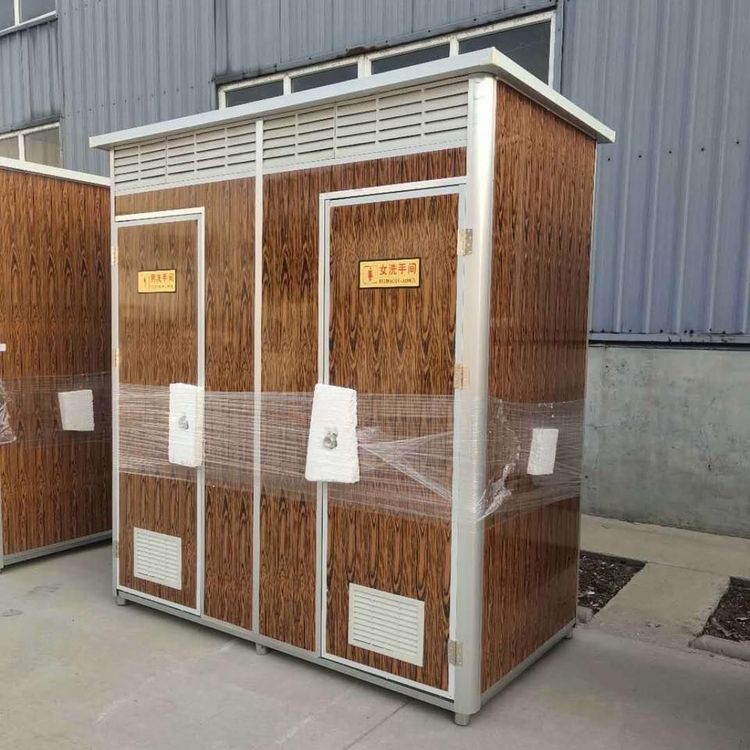
The installation of mobile environmental toilets in Jiangsu focuses on minimizing site intervention and enabling rapid deployment, achieving efficient construction through standardized design and modular operation. The installation process and technical highlights are as follows:

1. Foundation Treatment: Adapting to Complex Terrain and Minimizing Ecological Impact
The foundation design of mobile environmental toilets abandons the traditional concrete pouring method, opting instead for adjustable anchor bolts or prefabricated base plates. Anchor bolts, with their spiral adjustment function, can precisely fit uneven ground surfaces, ensuring the equipment remains level and stable. Prefabricated base plates, produced through standardized factory manufacturing, can be directly laid on-site, avoiding the dust, noise, and soil hardening issues associated with on-site pouring. This design not only shortens the construction period but also maximizes the preservation of the site's original vegetation and soil structure, meeting ecological protection requirements.
2. Pipeline Connection: Modular Design Enhances Installation Efficiency
For models requiring connection to external water and power sources, the pipeline system employs a modular and quick-plug design. Water connections are standardized with threaded or snap-fit interfaces, while power lines are equipped with dedicated, error-proof plugs. Construction personnel can easily complete water and power connections without the need for professional electricians or complex tools. The modular design also supports partial replacement; if a pipeline fails, it can be directly removed and replaced, avoiding the need for overall rework and further shortening on-site operation time.
3. Construction Process: Standardized Operations Ensure Quality and Safety
The installation team consists of a fixed crew, all of whom have undergone professional training and strictly adhere to engineering construction standards. Before leaving the factory, the equipment undergoes multi-functional acceptance tests, including power-on, waterproofing, and structural stability checks. After on-site installation, customers can focus on verifying the following aspects:
- Waterproof Performance: Check if the sealant at the joints is uniform and free of cracks, and conduct simulated rainfall tests for leakage.
- Power Safety: Confirm that the grounding protection and leakage protection devices are effective, and that the voltage and current are stable.
- Material Thickness: Measure the thickness of key components such as walls and base plates using a vernier caliper to ensure compliance with the contract specifications.
4. Removal and Restoration: Achieving Eco-Friendliness Throughout the Lifecycle
The installation process is designed to facilitate easy removal at the end of its service life. Anchor bolts can be rotated in reverse for removal, and prefabricated base plates can be separated from the ground without leaving residue. Pipeline connections are designed to be detachable, preventing breakage or adhesion. After removal, the site only requires simple soil backfilling and vegetation replanting to restore its original condition, truly achieving 'traceless installation'.
The installation technology of mobile environmental toilets in Jiangsu integrates structural innovation, process optimization, and ecological protection concepts, providing an efficient and sustainable solution for public health facility construction in temporary or mobile scenarios.