
Queue for Mobile Toilets in Jiangbin Park
There is no direct information indicating that there is a queue problem for mobile toilets in Jiangbin Park, but optimization suggestions can be provided by combining the public toilet upgrade situation and general countermeasures.
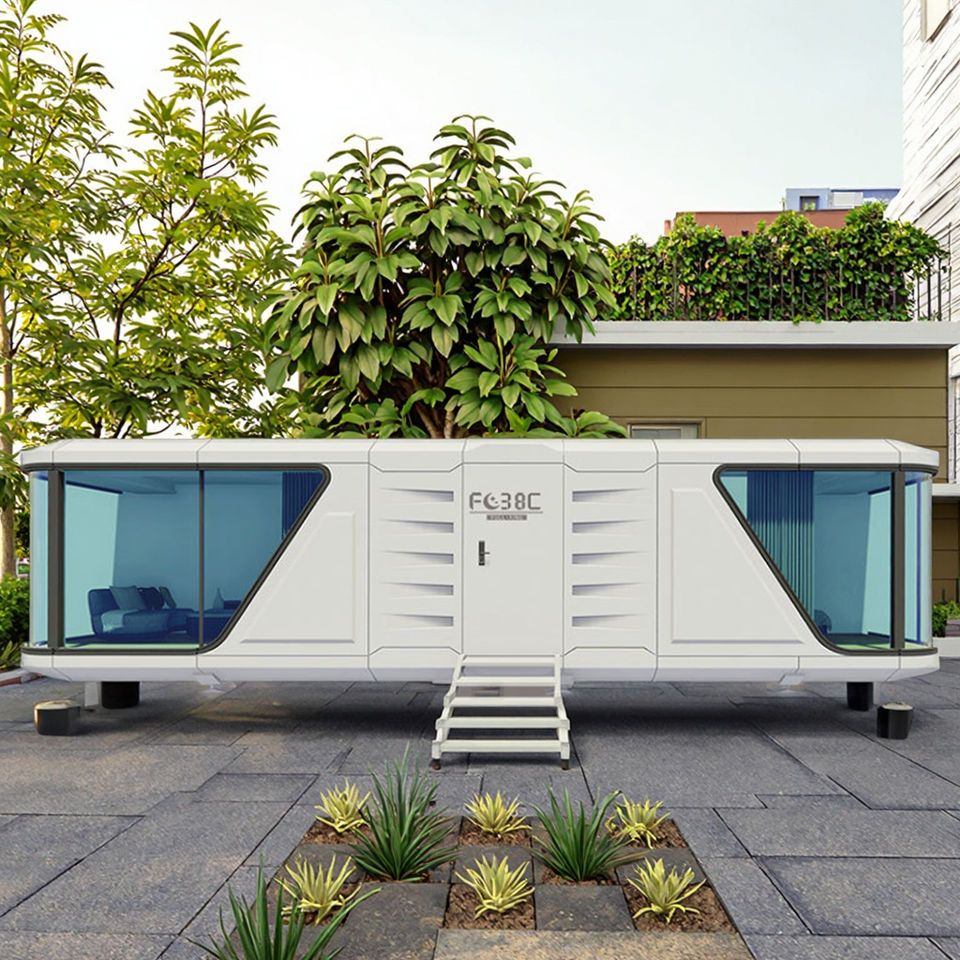
The public toilets in Jiangbin Park were upgraded and put into use on February 17, 2021. After the upgrade, the facilities are well-equipped, including not only barrier-free restrooms and baby care rooms but also the introduction of Internet of Things technology for environmental monitoring and toilet stall status display functions. These upgrade measures have to a certain extent improved the usage efficiency and service quality of the public toilets. For example, the toilet stall status display function can help visitors quickly understand the toilet usage situation and reduce the time spent waiting in line blindly. However, the reference information does not explicitly mention the specific queue situation of the mobile toilets. If queues occur during special periods (such as holidays and large-scale events), the following general countermeasures can be referred to for optimized management:
First, reasonably plan the number and layout of mobile toilets. Based on the forecast of park visitor traffic, add mobile toilets in advance in areas with high pedestrian density (such as entrances and near major attractions) and ensure an appropriate distance between toilets to prevent visitors from gathering due to searching for toilets. For example, during peak activity periods, dynamic adjustments can be made according to the standard of configuring one mobile toilet for every 500-1000 visitors.
Second, arrange for dedicated personnel to guide and maintain. Set up guides in the queuing area to maintain order, answer questions, and provide real-time feedback on toilet usage (such as a toilet stall being out of order or under cleaning). At the same time, increase the frequency of cleaning to ensure a clean toilet environment and reduce the decrease in usage efficiency due to hygiene issues.
Third, set up clear directional signs. Install multilingual signs at key nodes in the park (such as intersections and rest areas) to indicate the locations of mobile toilets and the real-time toilet stall status (such as displaying 'Available/In Use' on electronic screens), guiding visitors to use them in a dispersed manner and avoiding local congestion.
Fourth, flexibly adjust usage rules. For example, when the queue is long, priority can be given to opening barrier-free restrooms for ordinary visitors (while ensuring the priority rights of people with disabilities), or visitors can be guided to use nearby fixed public toilets to divert the pressure.



