Jiangbei Park Mobile Toilet Installation
The installation process of mobile toilets in Jiangbei Park typically includes four core steps: positioning, assembly, connecting internal facilities, and functional inspection and debugging. The specific time required is related to the type of toilet and must adhere to relevant standards while considering the connection needs of the sewage system.

1. Positioning and Site Preparation
Before installation, the location of the mobile toilet must be determined according to the park's planning, prioritizing areas with solid ground and smooth drainage. If the ground is uneven or has soft soil, it should be hardened in advance (e.g., by pouring concrete) or steel plates should be laid to ensure the stability of the toilet chassis. When positioning, consideration should also be given to the spacing from surrounding facilities (such as walkways and green belts) to avoid affecting tourist traffic.
2. Assembling the Main Structure
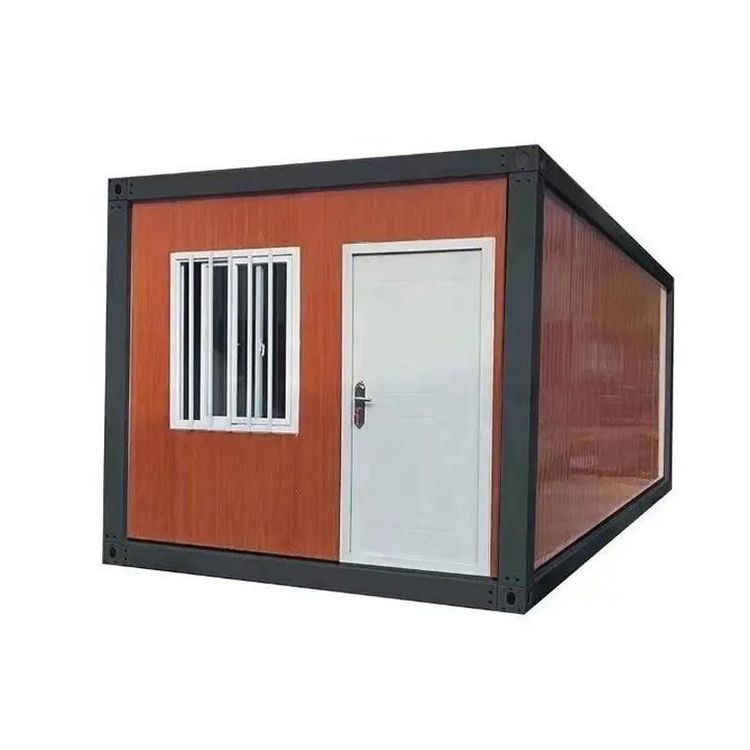
- Split-type Mobile Toilets: First, install the steel structure chassis and adjust its levelness. Then, sequentially install the sandwich panel walls and roof panels, securing them with bolts or clips, and perform sealing treatment (e.g., caulking) to prevent rainwater leakage. Wall installation typically takes 1-2 hours and is suitable for scenarios requiring high spatial flexibility.
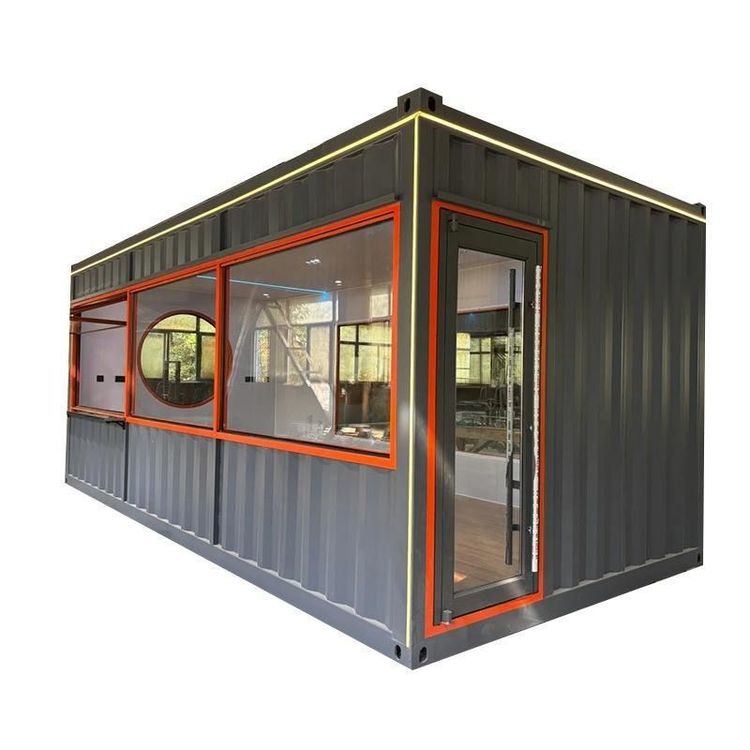
- Integrated Mobile Toilets: The factory has completed the interior decoration and equipment integration. On-site, it only needs to be hoisted as a whole to the predetermined position using a crane and connected to water, electricity, and sewage pipes. The installation time for such toilets is relatively short, usually 2-4 hours, suitable for rapid deployment needs.
3. Connecting Internal Facilities and Pipelines
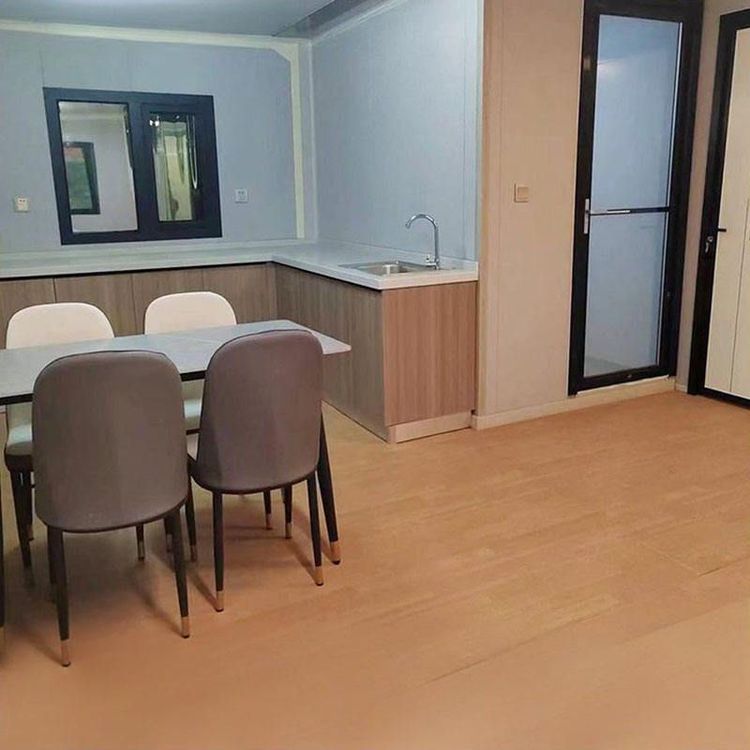
Installing internal partitions, toilets, flushing systems, sinks (optional), lighting, and ventilation equipment is a key step. The connection of water and electricity pipelines should be operated by professionals, but modular design (e.g., quick connectors) can simplify the process and shorten the time. If waterless or biodegradable toilets are used, complex sewage pipe connections can be omitted, further simplifying the installation.
4. Functional Inspection and Debugging
After installation, a comprehensive test should be conducted:
- Flushing System: Check the water flow pressure and whether the drainage is smooth;
- Electrical System: Verify whether the lighting and ventilation equipment can start normally;
- Sealing: Focus on checking for water leakage at wall panel joints and pipe connections.
If any issues are found during debugging, adjustments should be made promptly to the fasteners or replacement of sealing materials.
Installation Standards and Special Circumstances
The design and installation of mobile toilets must comply with standards such as the "Mobile Toilet Hygiene Standard" (GB/T 21239-2023) to ensure structural safety and hygiene standards. If the park needs to connect to the municipal sewage network or a dedicated septic tank, the installation time will be extended by 1-2 days; if an independent sewage system (such as a fecal storage tank) is used, regular cleaning and maintenance will be required.