Jiang'an Container Mobile Toilet
The Jiang'an container mobile toilet is a temporary sanitation facility based on modular design, featuring environmental adaptability, technological integration, and functional extensibility, suitable for the sanitation needs of complex riverbank scenarios.

Transportation Carrier Engineering Modification: Adapting to Unpaved Ground and Emergency Needs
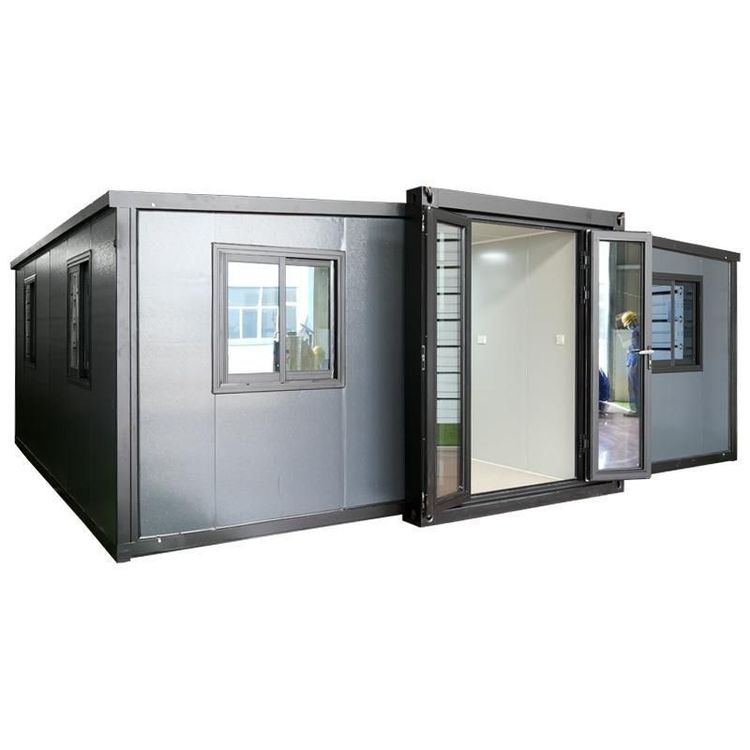
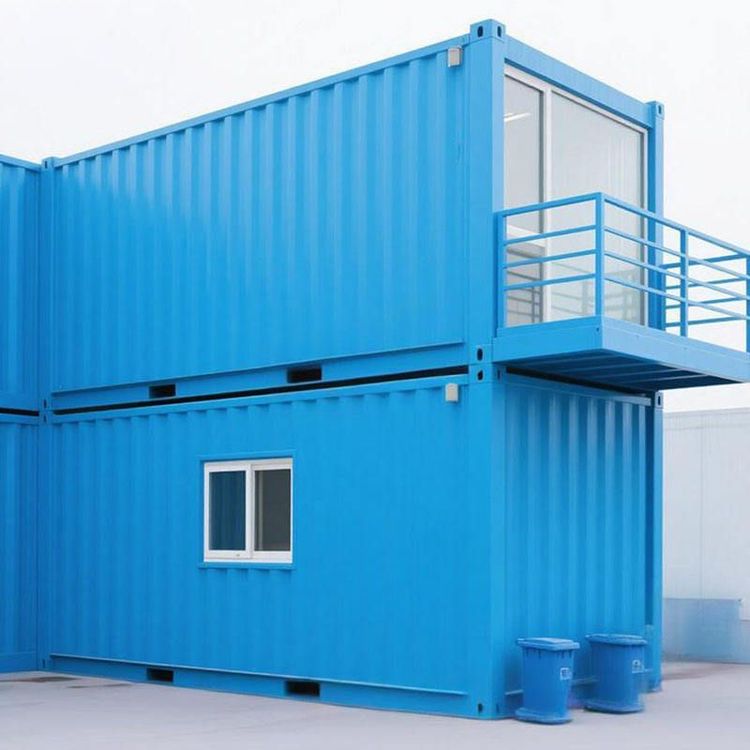
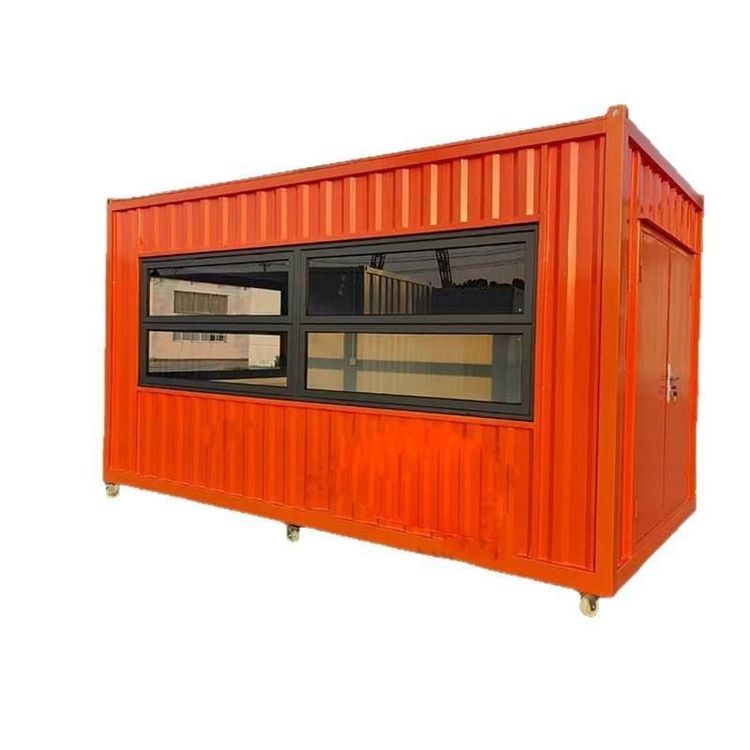
The container mobile toilet uses a standard freight container as its carrier. Its steel structural frame enhances stability by evenly distributing loads, and the corner fitting locking system is compatible with various lifting equipment, enabling rapid deployment on unpaved ground such as tidal flats and gravel areas. The side panel openings of the container are designed based on fluid mechanics principles, with ventilation ducts angled to form an angle with the prevailing monsoon winds along the riverbank, effectively preventing odor backflow. The internal compartments adopt an asymmetric layout, concentrating the pipe shafts on the leeward side to achieve dry-wet separation and optimize the utilization of limited space. Additionally, the modular design supports rapid evacuation before the flood season, meeting emergency management requirements.
Environmental Variable-Driven Technical Parameter Configuration: Addressing the Special Ecology of the Riverbank
The soil permeability coefficient, groundwater level fluctuations, and salt deposition issues in the riverbank area directly influence the choice of technical solutions. For example, sewage treatment employs a combination of vacuum negative pressure collection systems and microbial degradation technologies to adapt to high-permeability or low groundwater level environments. Power supply integrates photovoltaic films and low-power consumption sensing elements to solve the energy autonomy problem in areas far from the municipal power grid. The anti-corrosion coating is additionally fortified with anti-chloride ion components to resist salt corrosion caused by water evaporation. These configurations ensure the long-term stable operation of the facility in humid and high-salt environments.
Social Scenario-Driven Functional Module Derivation: Flexibly Responding to Changes in Foot Traffic
The rental cycle of container toilets is highly correlated with the rhythm of activities along the riverbank. In response to peak demand during festivals, construction periods, or tourist seasons, suppliers have developed quick-connect modules such as foldable queuing barriers, visual storage monitoring terminals, and accessible ramp extensions. These components connect to the main body through standardized interfaces, forming functional clusters that can be adjusted according to foot traffic density. Meanwhile, the cleaning and maintenance process formulates corresponding relationships between the amount of chemical cleaning agents and the replenishment of microbial flora based on usage frequency data, improving operational efficiency.
Functional Unit and Ecological Interaction: Continuously Optimizing Environmental Adaptability
As a temporary sanitation node, the container toilet exchanges materials with the surrounding environment during its operational cycle. For example, the discharge standards of the graywater treatment system are dynamically adjusted according to the river flow to prevent local water eutrophication. The waste transportation route is planned to avoid biological reproduction periods and migratory bird paths, reducing ecological interference. After usage data is fed back to the design end, iterative components such as detachable anti-silt bottom frames and ultrasonic insect repellent devices have been developed, further enhancing environmental friendliness.