
Jiachao Smart Container House
There is no direct public information about Jiachao Smart Container House, but a scientific analysis can be conducted by combining the characteristics of the modular container house industry and the technological directions of similar enterprises.
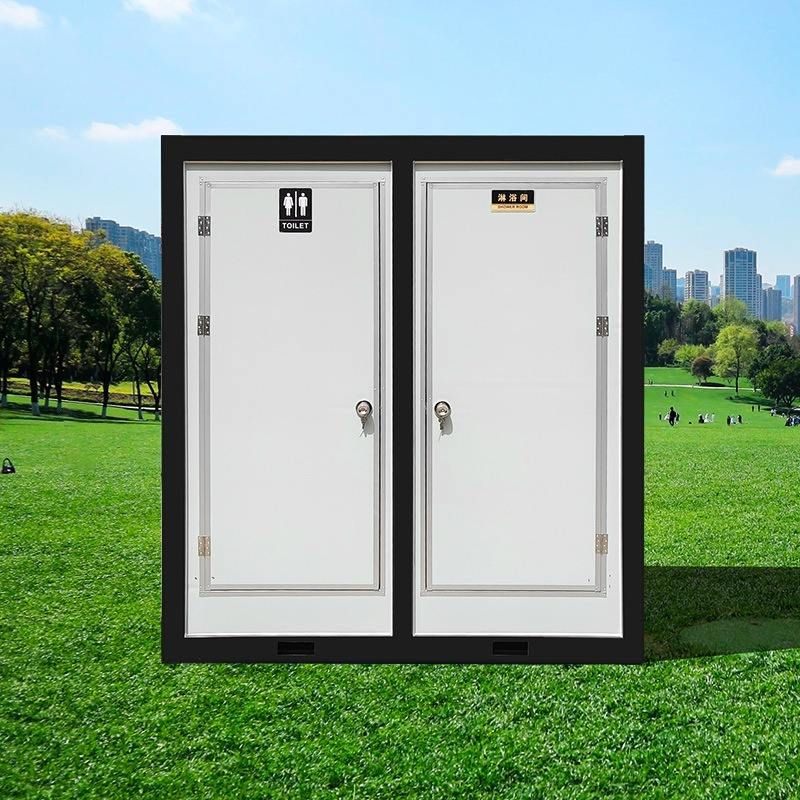
Core Advantages of Modular Container Houses
1. Efficient Construction and Rapid Deployment
Modular container houses adopt a factory-prefabricated model, where walls, floors, roofs, and pipelines are all standardized and produced in workshops, requiring only assembly on-site. For example, the double-wing container house from Shandong Guoheng Intelligent Manufacturing Co., Ltd. can be fully deployed in 2 hours using patented connectors, saving 60% of deployment time compared to traditional container houses. This 'plug-and-play' feature makes it highly advantageous in emergency rescue and temporary office scenarios. For instance, the modular container hospital project in Harbin in 2021 completed the main structure in 36 hours and admitted patients within 48 hours.
2. Cost and Environmental Benefits
Factory standardization reduces material waste (CNC cutting waste is only 3%-5%, compared to 8%-12% on traditional construction sites) and lowers on-site labor costs (construction worker hourly wages in Europe and the US range from $28 to $56, while modular solutions can cut project durations by nearly half). Additionally, lightweight steel modules reduce foundation material consumption by 60%-70% and are reusable, aligning with green building trends.
3. Adaptability to Extreme Environments and Customization Capabilities
Through material and structural optimization, modular houses can withstand complex climates. For example, the ChaYoHouse expandable container house features PU foam insulation and fluorocarbon coatings, supporting temperature ranges from -30°C to 60°C, with wind resistance up to Level 9 and earthquake resistance up to Level 8. Shandong Guoheng has customized designs for high-altitude projects by increasing frame density, upgrading insulation, and optimizing transportation structures to meet special requirements.
Industry Technological Development Directions
1. Smart Integration
Some enterprises have integrated smart technologies into container houses, such as photovoltaic power generation, rainwater recycling systems, intelligent air purification, and wall insulation coatings. In the future, smart container houses may further incorporate IoT devices for environmental monitoring and energy management.
2. Improved Space Utilization
Double-wing container houses increase usable area by 20% through expandable side structures while optimizing natural lighting and ventilation efficiency. Such designs are widely applied in wilderness engineering command centers and temporary medical stations.
3. Full-Process Service Model
Leading enterprises offer one-stop services from design, production, transportation, to installation and maintenance, supported by digital management systems for transparent and controllable project timelines. For example, Shandong Guoheng tracks production progress in real-time through a digital platform and responds quickly to customer needs.



