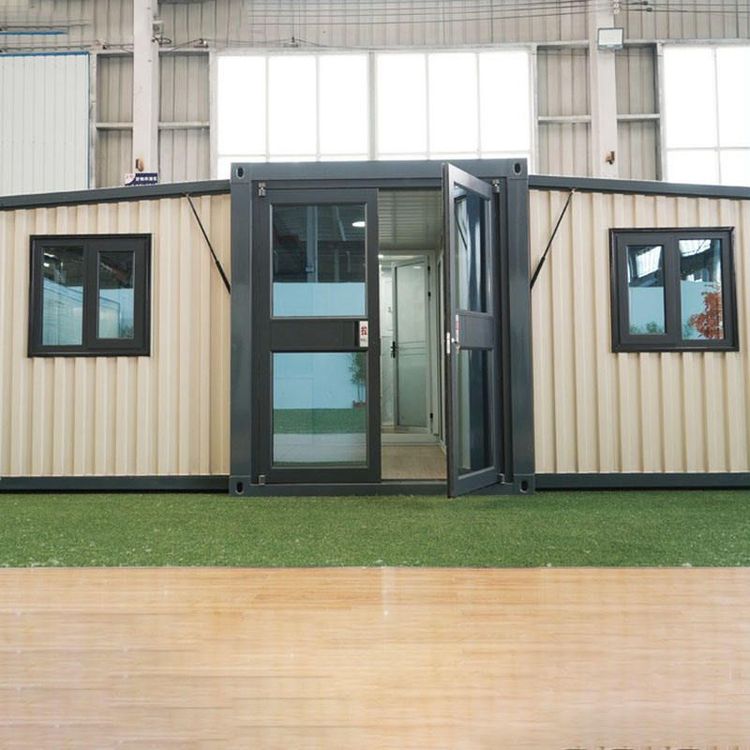
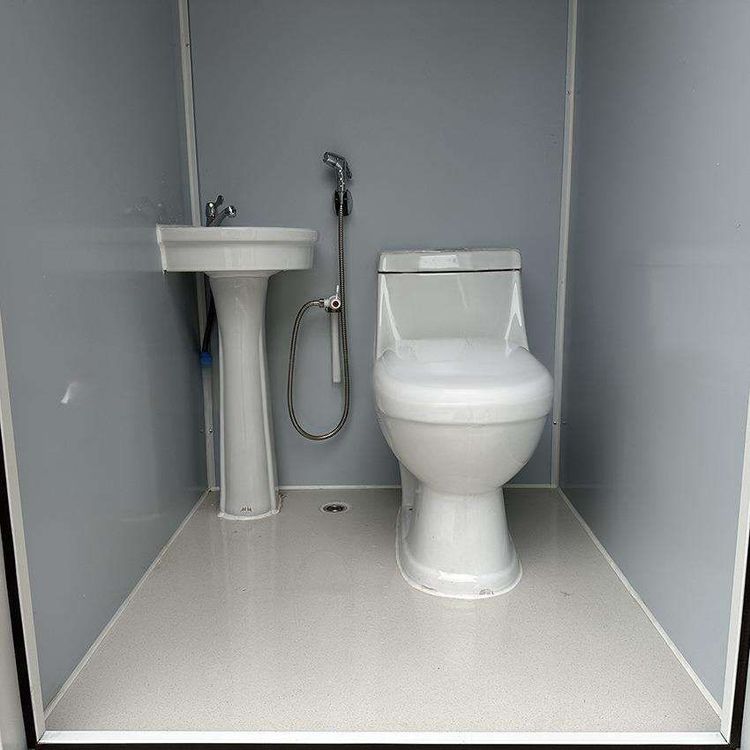
Ji'an Mobile Environmental Toilet Inspection
The inspection of mobile environmental toilets in Ji'an mainly involves aspects such as waste treatment processes, building safety, performance, and comprehensive inspection standards and methods.

Waste Treatment Process Inspection
Regular rental companies must ensure that waste treatment complies with regulations, including waste classification and sealed storage, professional and compliant transportation, and the use of the 'solid-liquid separation + biodegradation' process for treatment. Treatment stations must achieve transparent and traceable supervision to ensure full compliance of the waste from collection to final disposal, avoiding secondary pollution.Building Safety Inspection
Conducted by third-party inspection agencies, focusing on checking the damage status of building structures and analyzing building safety. Inspection items cover concrete, steel, wood, and masonry structural components, as well as foundation, building tilt, subsidence, and cracking. For example, it is necessary to confirm whether steel structure connections are reliable and whether there are cracks in welded parts to ensure overall structural stability.Performance Inspection
- Construction and Structural Review: Use laser rangefinders and steel tapes to inspect the distribution of bathroom walls, door and window proportions, structural axial proportions, and height to ensure compliance with design specifications.
- Structural Damage Inspection: Check whether load-bearing components (such as steel beams and columns) are aging or deformed, whether connections are abnormal, and whether there are defects in welded parts.
- Structural Safety Calculation Analysis: Based on the 'Building Structural Load Standard', combined with static loads, live loads, wind loads, seismic actions, etc., use PKPM software to conduct load-bearing capacity analysis and verify structural safety.
- Steel Function Testing: Conduct non-destructive testing on steel structure welds and test the tensile strength, yield strength, and impact toughness of steel as needed to ensure material performance meets standards.
Comprehensive Inspection Standards and Methods
- Inspection Standards: Cover safety (structural reliability), environmental protection (environmentally friendly materials), hygiene (compliance with hygiene standards), convenience (ease of movement), and durability (resistance to wear, corrosion, and aging).
- Inspection Methods: Include appearance inspection (observing workmanship), material inspection (verifying environmental protection), performance inspection (testing load-bearing capacity, mobility, and drainage capacity), hygiene performance inspection (checking the risk of pathogen transmission), and durability inspection (simulating long-term use environments).
- Inspection Process: Follow the steps of 'sample collection → sample processing → inspection testing → data organization → result evaluation → report writing' to ensure data accuracy and report standardization.