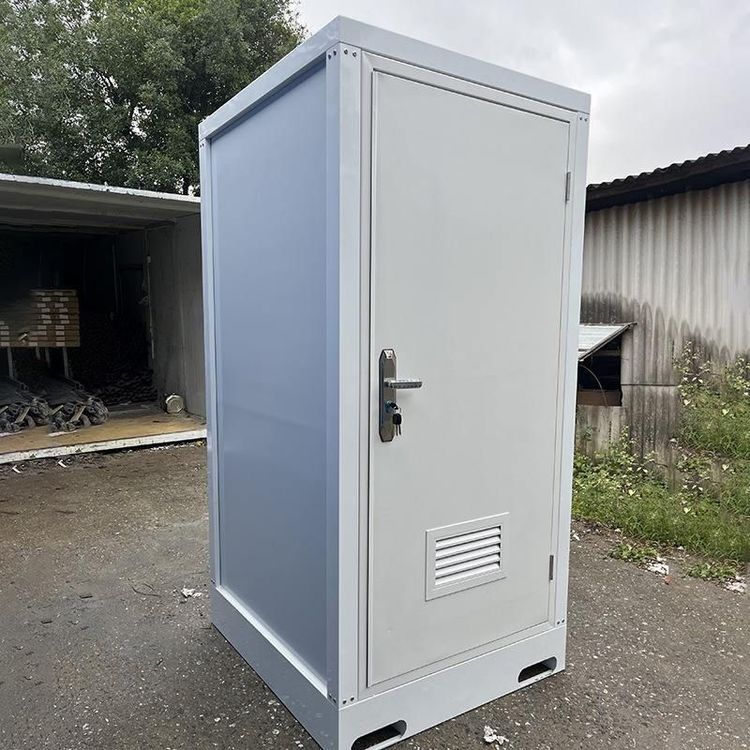
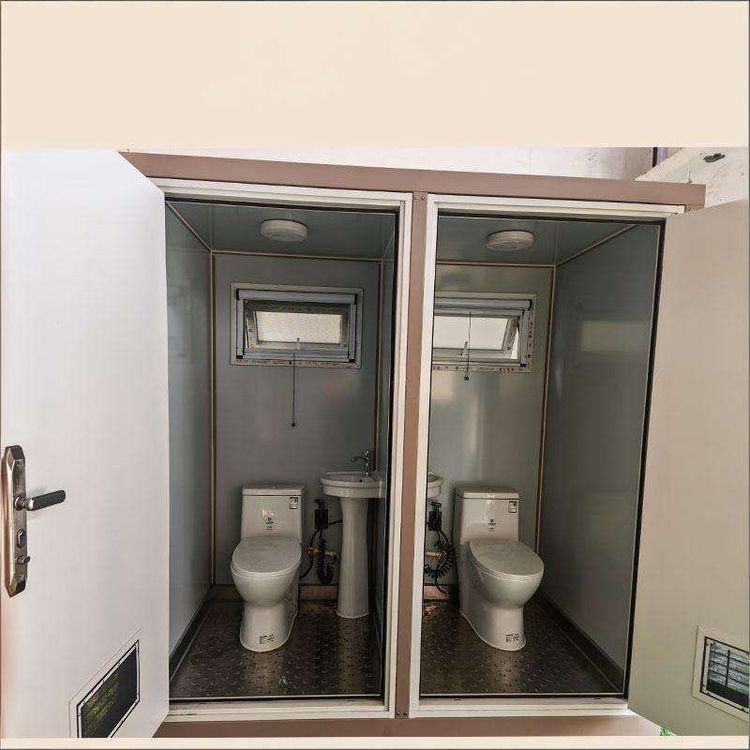
Japan Prefabricated Housing Panels
Prefabricated housing panels in Japan have effectively addressed aging issues and extended service life through systematic renovation and institutional support. Specific measures and achievements are as follows:

1. Renovation Model: Combining Regular Inspections with Systematic Repairs
Japan has implemented a model of "regular inspections + systematic repairs + technological upgrades" for prefabricated housing (danchi) built in the 1960s and 1970s. Structural safety inspections are conducted every 10 years, with a focus on assessing seismic performance; major renovations are carried out every 30 years, including replacing seismic reinforcement components, redoing exterior wall insulation, and updating all water and electrical pipelines. For example, the Tama New Town danchi in Tokyo has increased resident satisfaction from 40% to 85% by retaining the main structure, redesigning the layout, installing elevators, and adding rooftop solar panels. After renovation, the service life can reach over 100 years, with costs only 30%-50% of new construction.
2. Institutional Guarantees: Repair Reserve Funds and Policy Subsidies
- Repair Reserve Fund System: Residents pay a fixed monthly fee into a public account for regular housing maintenance. The average monthly contribution per household for second-hand apartments in the Tokyo metropolitan area has reached 13,910 yen (2025 data), with a cumulative increase of 67.2% over six years, ensuring long-term financial stability.
- Policy Support: The Japanese government invests over 1 trillion yen annually in public building renovations, with old housing accounting for more than 85% of the total. The average annual renovation rate is 8%-10%, with a demolition rate of less than 0.5%. In 2025, policies will be tightened, requiring all apartments to complete seismic reinforcement, or they will be prohibited from being rented or sold. Additionally, the government bundles seismic, energy-saving, and aging-friendly renovations, providing subsidies covering up to 70% of the costs to reduce the financial burden on residents.
3. Renovation Effects: Extending Service Life and Improving Living Quality
Through "longevity renovations," prefabricated housing has not only resolved issues such as inadequate seismic resistance and aging facilities but also incorporated energy-saving and aging-friendly designs. For example, after renovation, the Tama New Town danchi has extended its service life to over 100 years and reduced long-term operating costs through energy-saving measures like solar panels. The renovated housing meets modern standards in terms of safety, comfort, and functionality, significantly improving resident satisfaction and forming a sustainable model of "renovation over demolition."
Conclusion: Through scientific renovation models, mandatory reserve fund systems, and government subsidy policies, Japan has successfully transformed prefabricated housing from "aging problem housing" into "century-old livable housing," providing a replicable model for global old housing renovations.