
Features of Japanese Mobile Toilets
Although there is no direct specialized information on Japanese mobile toilets, based on their bathroom design concepts, it can be inferred that their features may be reflected in aspects such as space utilization, functional integration, cleaning and maintenance, and human-centered design.
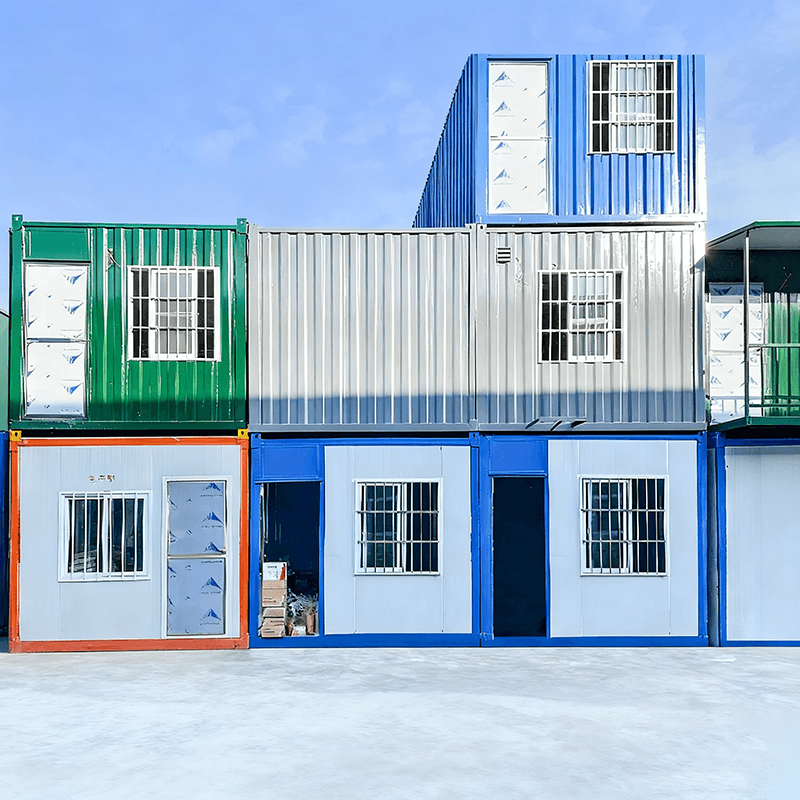
Firstly, efficient space utilization. Japanese bathrooms are generally small in size, and this characteristic may extend to the design of mobile toilets. Mobile toilets may adopt foldable, telescopic, or modular structures to reduce their volume during transportation and quickly expand them for use, maximizing the utilization of limited space. For example, the sink may be designed as a foldable type or installed in a wall-mounted manner to reduce floor space occupation. The internal layout is compact but with clearly defined functional areas to ensure user comfort.
Secondly, intelligent functional integration. Japan has mature smart toilet technology, and mobile toilets may integrate similar functions such as automatic cleaning, drying, and sterilization to enhance hygiene levels. Some high-end models may be equipped with environmental control systems, such as air purification and temperature regulation, and even play music through audio devices to mask odors or toilet sounds, enhancing the user experience. In addition, mobile toilets may adopt water-saving technologies such as vacuum suction or circulation filtration systems to reduce water consumption.
Thirdly, convenient cleaning and maintenance. Japanese bathrooms have innovative cleaning methods, and mobile toilets may adopt similar designs. For example, using toilet foam instead of traditional brushes to decompose dirt and bacteria through foam, avoiding secondary pollution. In terms of material selection, antibacterial and easy-to-clean surface coatings may be used to reduce dirt adhesion. At the same time, mobile toilets may be designed as detachable structures for easy regular deep cleaning or component replacement, extending their service life.
Finally, detailed human-centered design. Japanese bathrooms focus on human-centered details, and mobile toilets may continue this concept. For example, they may be equipped with child safety seats and barrier-free facilities (such as handrails and ramps) to meet the needs of different groups of people. They maintain fresh internal air by optimizing the ventilation system and enhance safety through anti-slip floors and bright lighting. In addition, mobile toilets may be equipped with emergency call devices or positioning systems for easy management and maintenance.



