Availability of Mobile Toilets in Japan
Japan has mobile toilets. Here is an introduction to mobile toilets in Japan:

I. Mobile Trailer Toilets Toyota officially launched the "Mobile Trailer Toilet," a design that fully embodies humanistic principles. Its initial design focused on addressing the toilet needs of disabled individuals during outdoor activities. For disabled people, using the toilet outdoors often poses numerous difficulties, and the emergence of mobile trailer toilets provides them with convenience. These toilets may be equipped with facilities suitable for disabled individuals, such as barrier-free access and handrails, facilitating their safe and comfortable use of the toilet. This reflects society's care and respect for disabled individuals and enhances their participation and quality of life in outdoor activities.
II. Toilet Trucks In special situations such as water outages in earthquake-stricken areas, Japan deploys "toilet trucks." These vehicles are approximately 5 meters long and are equipped with multiple independent flushing toilets inside the carriage. Independent flushing toilets ensure users' privacy and hygiene, providing relatively good toilet conditions even in harsh environments like water outages. Moreover, they can be used about 800 to 1000 times, meaning they can meet the needs of many people for a period of time after a disaster, providing basic sanitation guarantees for affected individuals. This helps maintain the living order and sanitary environment in disaster areas and reduces the risk of disease transmission caused by sanitation issues.
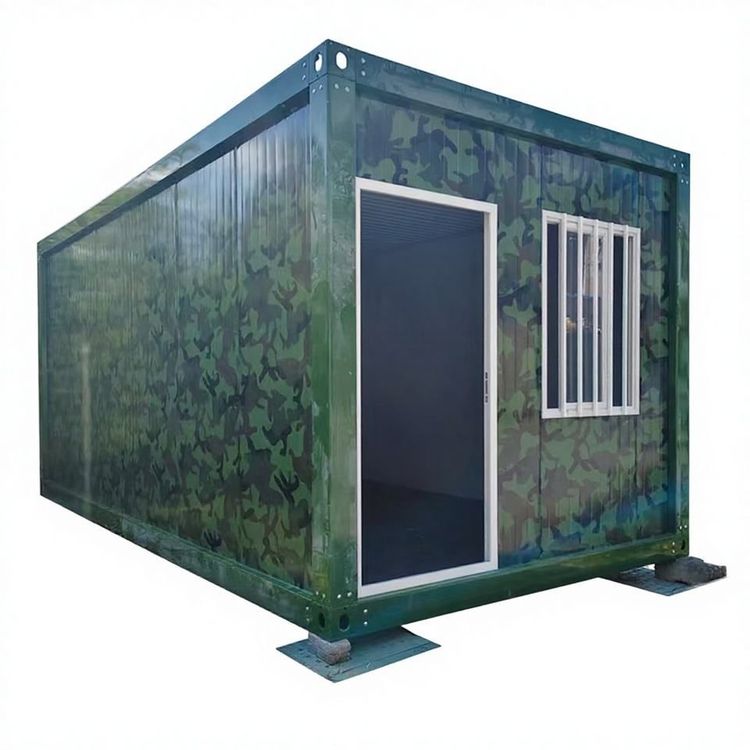
III. Mobile Toilet Containers Kumamoto Prefecture in Japan has deployed mobile toilet containers in the county-operated parking lot at the summit square of Mount Aso. Normally, they primarily serve tourists. Mount Aso is a famous tourist attraction with a large number of visitors, and the installation of mobile toilet containers can alleviate the pressure on restroom facilities in the scenic area, providing convenience for tourists. In times of disaster, they can quickly play a role in safeguarding people's livelihoods. Due to their strong disaster emergency response capabilities, they can be quickly put into use after a disaster, providing necessary sanitation facilities for affected individuals and rescue personnel, demonstrating their versatility and practicality in different scenarios.