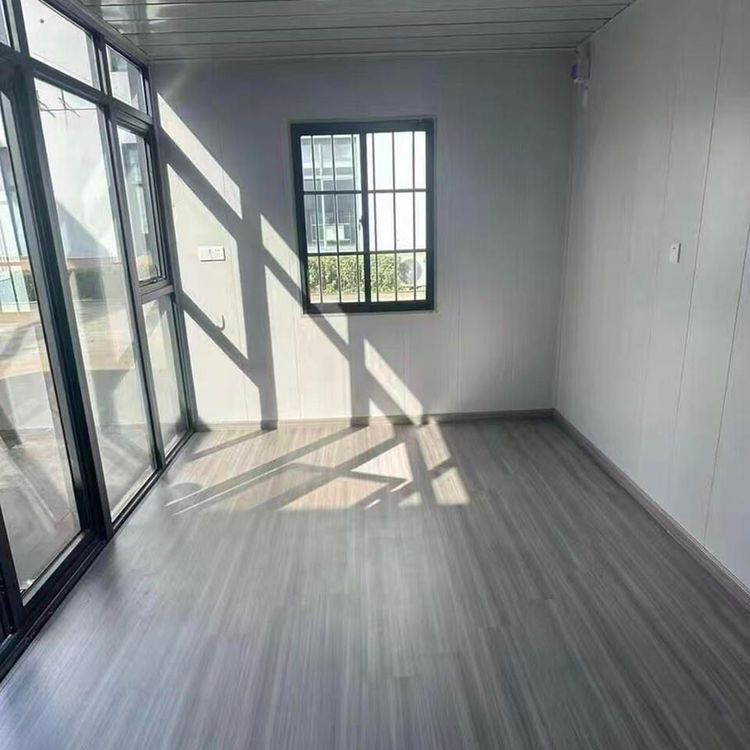
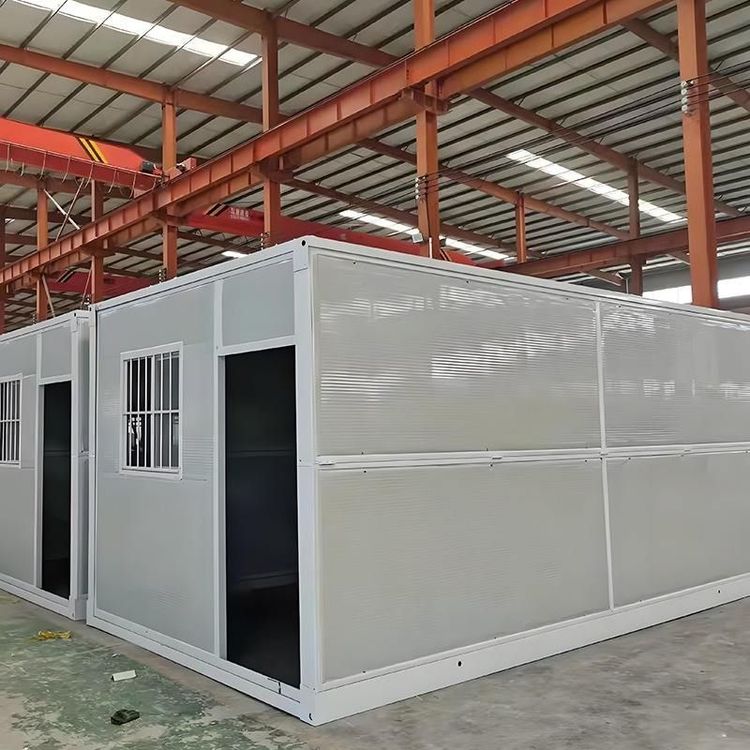
Japan Container Mobile House
Japan used containers as accommodation for athletes at the Nagoya Asian Games, primarily due to budget overruns, cost compression, and obstacles to traditional plans.

Significant Budget Overruns and Cost Compression: When bidding for the 2026 Nagoya Asian Games, Japan initially committed to a total budget of 85 billion yen, planning to take a minimalist approach to hosting the event, including building a permanent Asian Games Village on the former site of the Nagoya Racecourse. However, as preparations progressed, the budget continued to increase, eventually soaring to 240 billion yen, nearly tripling the original estimate. With limited sponsorship, the remaining huge funding gap had to be borne by taxpayers in Aichi Prefecture and Nagoya City. To cut costs, the organizing committee had to abandon plans for a traditional centralized Asian Games Village and instead adopt a more economical container dormitory solution.
Obstacles to Traditional Plans and Selection of Alternative Solutions: The organizing committee initially planned to build an athletes' village on the former site of the Nagoya Racecourse but abandoned the idea due to high costs. Subsequently, a proposal to disperse accommodation across more than 50 facilities was rejected by the Olympic Council of Asia for reducing opportunities for interaction among athletes. After multiple attempts and trade-offs, the organizing committee finally selected a plan combining cruise ships with container houses at the Garden Wharf as an alternative to the traditional Asian Games Village.
Hardware Shortcomings and Living Experience of Container Houses: Although the organizing committee described containers as an eco-friendly and minimalist solution for hosting the event and provided remedial accessories such as extended mattresses, the hardware shortcomings of container houses remained prominent. The rooms had limited space, with low ceilings and narrow aisles, poor sound insulation, and only one air conditioner per unit. For taller athletes, the insufficient length of the beds was a major issue. Additionally, the container site was far from some venues, resulting in long commute times and additional physical exertion for athletes.