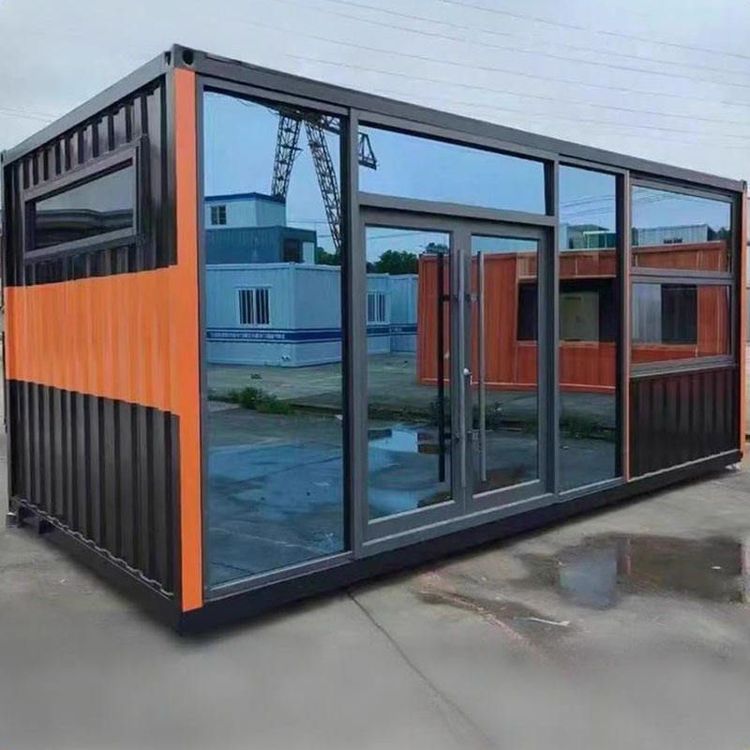
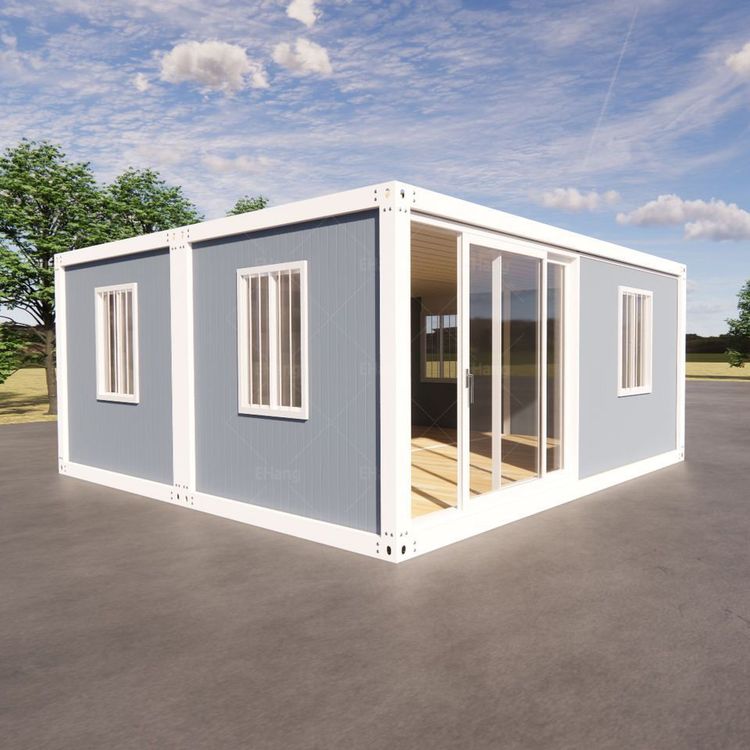
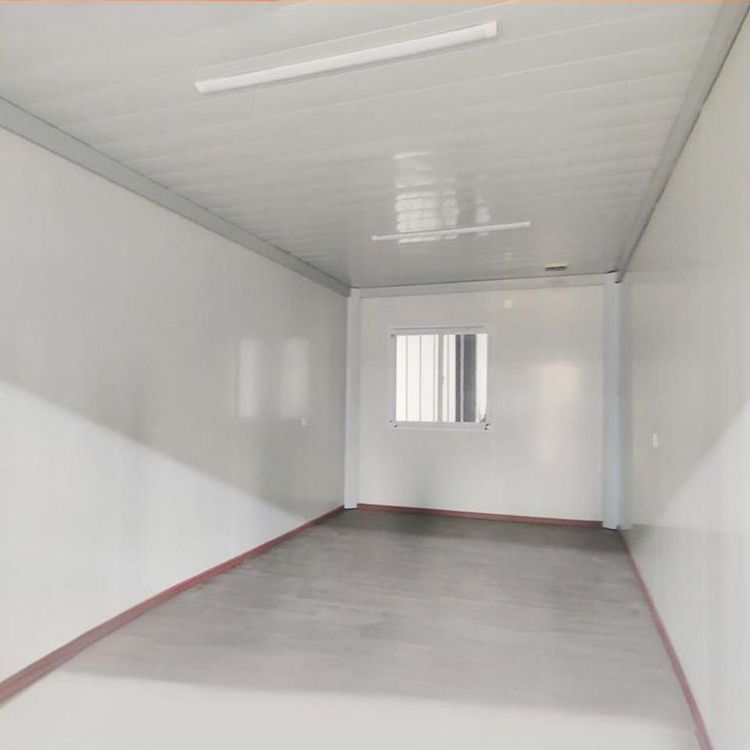
Italy Container House Customs Clearance
When clearing customs for container houses in Italy, it is essential to focus on tax compliance, customs clearance procedures, and the selection of service providers. The key points are as follows:

I. Tax Compliance and Customs Clearance Requirements
Italy imposes strict tax supervision on imported goods. As large items, container houses require the use of a compliant local VAT tax number for customs clearance. If the service provider fails to use a compliant tax number, it may trigger tax back-checking, resulting in goods being held at the port and incurring additional storage and demurrage costs. Furthermore, customs clearance documents must be complete and accurate, including the certificate of origin, trade contract, invoice, packing list, and consignee and consignor registration documents, among others.
II. Customs Clearance Procedures and Precautions
- Document Preparation: It is necessary to declare to customs in advance, accurately fill in the HS code and the price of the goods, and cooperate with inspections (if required). The main ports in Italy, such as Genoa and La Spezia, have relatively high customs clearance efficiency, but incomplete documents or incorrect information can significantly prolong the customs clearance time.
- Tariffs and VAT: Imported container houses are subject to tariffs and a 22% standard VAT (the current tax rate in Italy). It is advisable to use a professional customs clearance agent to calculate taxes and fees to avoid hidden costs.
- Inspection Process: Customs may conduct open-box inspections of the goods to verify that the customs declaration documents match the actual goods, focusing on checking for misreporting, underreporting, or false reporting.
III. Key Criteria for Selecting Service Providers
- Service Capability: Prioritize leading service providers capable of handling oversized and overweight goods (e.g., single pieces measuring 12m × 2.33m × 2.57m and weighing 12 tons) to avoid transportation disruptions caused by the insufficient capabilities of small and medium-sized providers.
- Last-Mile Delivery: Confirm whether the service provider's delivery network covers the entire territory of Italy, especially the southern islands and remote areas. Some providers may need to transfer to third-party resources, which could increase time risks.
- Pricing Transparency: The initial quote should include all basic costs, such as ocean freight, tariffs, port handling fees, and remote area surcharges, to avoid additional expenses later.
- Transportation Protection: Given the vulnerability of container houses, the service provider should offer dedicated protection solutions (e.g., moisture-proof packaging and reinforced outer packaging) to reduce the risk of transportation damage.
IV. Risk Mitigation Recommendations
When clearing customs for container houses in Italy for the first time, do not equate DDP (Delivered Duty Paid) double-clearance and tax-inclusive services with ordinary international express tax-inclusive services. It is crucial to pay attention to local tax compliance and the particularities of customs clearance procedures. According to industry benchmarking data, the comprehensive cost of compliant service providers is approximately 15% lower than that of abnormally low-priced providers. It is recommended to prioritize service providers with complete qualifications and a good reputation to ensure the safety and timeliness of the goods.