
Is There Profit in Container House Renovation?
Container house renovation has profit potential, but it requires a comprehensive assessment based on market demand, cost control, and business strategy. The following analysis covers market prospects, cost-benefit analysis, business strategies, and risk points:
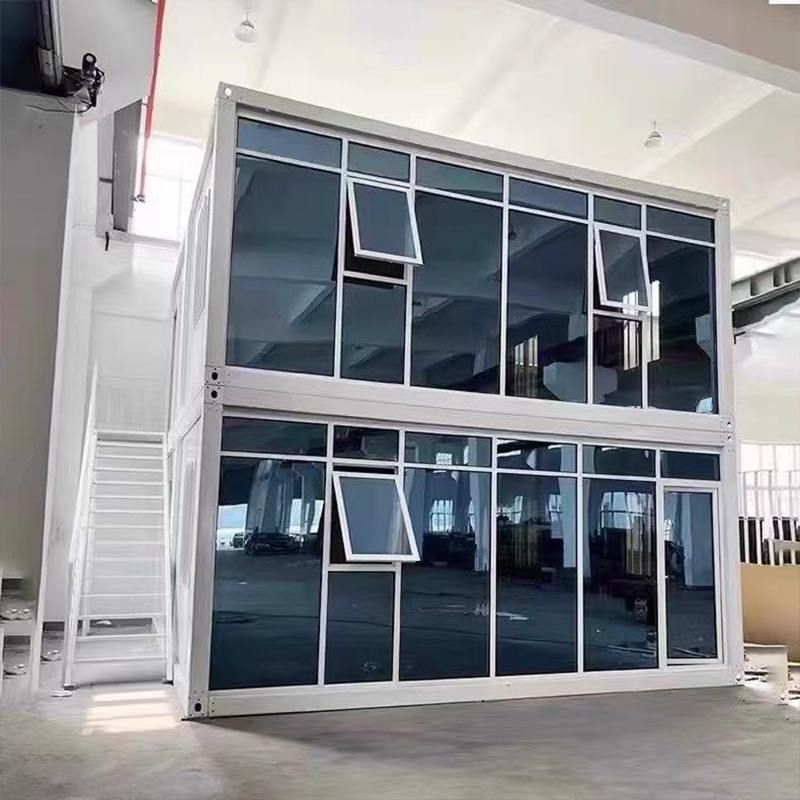
I. Broad Market Prospects and Sustained Demand Growth
Due to their eco-friendliness, speed, and cost-effectiveness, container houses have seen expanding applications both domestically and internationally. Strong demand exists in construction sites, temporary residences, rural revitalization demonstration sites, outdoor camping bases, scenic area homestays, and commercial spaces (such as container bars and cafes). In 2022, the global container housing market reached 293.36 billion yuan and is expected to grow to 384.912 billion yuan by 2028, with a compound annual growth rate of 5%. The domestic market is growing even faster, especially during the post-pandemic industrial recovery phase, making container housing a "hundred-billion-yuan blue ocean industry." Its advantages include:
- Safety: High-strength steel structures, anti-rust, fire-resistant, and earthquake-resistant technologies provide wind, rain, heat, and sound insulation.
- Flexibility: Modular design allows for quick lifting and stacking, adapting to various scenarios.
- Economy: Low costs for second-hand containers, reduced construction waste from factory production, 60%-70% less material waste than traditional buildings, and recyclability.
II. Cost-Benefit Analysis: Renovation and Operation Models Determine Profit Margins
- Renovation Costs: Second-hand container prices range from approximately 4,000 to 15,000 yuan per unit, with renovation costs varying by purpose. For example, personal renovations for self-use or trendy small houses can be controlled within 13,000 to 30,000 yuan; commercial uses (such as hotels and homestays) require additional interior decoration and facility configurations, with costs potentially rising to 50,000 to 100,000 yuan per room.
- Revenue Models:
- Rentals: In the Chongqing market, an 18-square-meter container house rents for 6 yuan per day, yielding an annual gross profit of about 2,000 yuan per unit. If over 2,000 units are rented annually, net profits can reach millions.
- Sales: A single container house sells for 10,000 to 15,000 yuan, with a profit of 2,000 to 4,000 yuan per unit.
- Commercial Operations: For example, opening a 30-room container hotel incurs lower construction costs than traditional hotels, and its unique design can attract travelers, enabling quick cost recovery.
III. Business Strategies: Precise Positioning and Differentiated Competition Are Key
- Target Market Selection: Prioritize areas with strong demand, such as construction sites, scenic area homestays, and commercial complexes.
- Cooperation Channel Expansion: Collaborate with real estate developers, construction companies, and tourism platforms for joint marketing or customized services.
- Product Differentiation: Enhance design levels, incorporate modern aesthetics or cultural elements, create "trendy" attributes, and increase added value.
- Cost Control: Select high-quality second-hand containers, optimize renovation processes, and reduce material and labor costs.
IV. Risk Points and Recommendations
- Intense Market Competition: Numerous domestic container manufacturers exist, with varying product qualities. Choose technologically strong manufacturers for cooperation to ensure product compliance with standards.
- Complex Approval Procedures: Personal rentals or purchases of container houses as apartments require multi-department approvals. It is advisable to prioritize cooperation with compliant scenarios such as construction sites and scenic areas.
- Rust and Insulation Issues: Proactive rust prevention treatments and insulation layer designs are necessary to avoid increased maintenance costs later.



