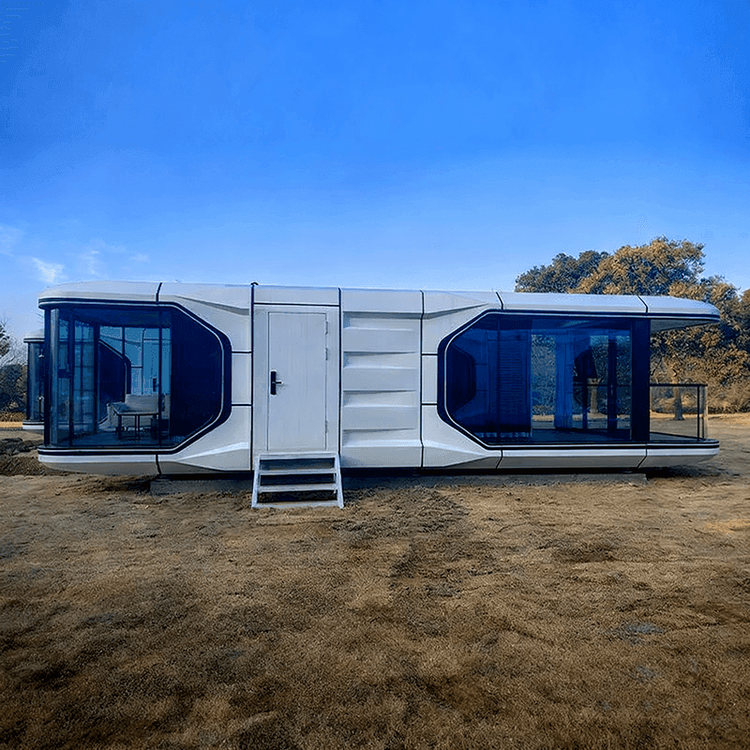
Is the Structure of Prefabricated Panel Houses Safe?
The structure of prefabricated panel houses has certain safety issues, but the claim that they will 'collapse within 30 years' is a myth. Their safety is influenced by multiple factors.

1. Insufficient Seismic Resistance
Prefabricated panel houses have poor overall integrity and lack rigid framework support. During natural disasters such as earthquakes, the connection points between panels and walls, as well as between panels themselves, are prone to breaking due to vibrations, leading to building collapse. Historical earthquake cases show that the collapse and casualty rates of prefabricated panel houses are significantly higher than those of cast-in-place structural houses.
2. Vulnerable Connection Points
Prefabricated panels are connected to walls and floors using steel bars or concrete, but the strength of these connections is limited. If the foundation settles, walls crack, or long-term uneven stress occurs, the connection points are prone to misalignment and loosening. Over time, weathering of the connections and rusting of the steel bars further reduce structural strength, potentially triggering a chain reaction of collapses.
3. Material and Construction Defects
Some prefabricated panels may suffer from shoddy workmanship, such as insufficient concrete grades or undersized steel bar diameters, resulting in brittle panels that are prone to breaking. When the load exceeds the designed bearing capacity, the panels may suddenly break without warning, increasing safety risks.
4. Other Functional Defects
Prefabricated panel houses generally have poor sound insulation and weak thermal insulation. Additionally, their internal structures are difficult to modify (e.g., removing non-load-bearing walls may compromise overall stability). Furthermore, the seams between panels are prone to water leakage, and prolonged moisture exposure accelerates steel bar rusting and concrete carbonation, shortening the building's lifespan.
5. Lifespan and Maintenance Key
The designed lifespan of prefabricated panel houses is typically 30-50 years, but many buildings have shown signs of aging due to their long construction history (e.g., concrete peeling and exposed steel bars). However, the claim that they will 'collapse within 30 years' lacks scientific basis. The national standard for the design service life of civil residential buildings is 50 years, and actual safety depends on construction quality and post-construction maintenance. For example, human factors such as unauthorized modification of load-bearing walls or prolonged neglect of water leaks can significantly reduce building safety.
Conclusion: Prefabricated panel houses require regular structural safety inspections, avoidance of unauthorized modifications, and enhanced waterproofing and anti-corrosion maintenance. If the building is severely aged or located in an earthquake-prone area, it is recommended to have it evaluated by a professional institution and consider reinforcement or reconstruction.