
Is the Roof of a Container House Waterproof?
The roof of a container house generally possesses a certain degree of waterproofing capability, but the specific effectiveness is influenced by multiple factors such as design, materials, installation, and maintenance. The following analysis is conducted from three aspects: structural design, material selection, and maintenance measures:
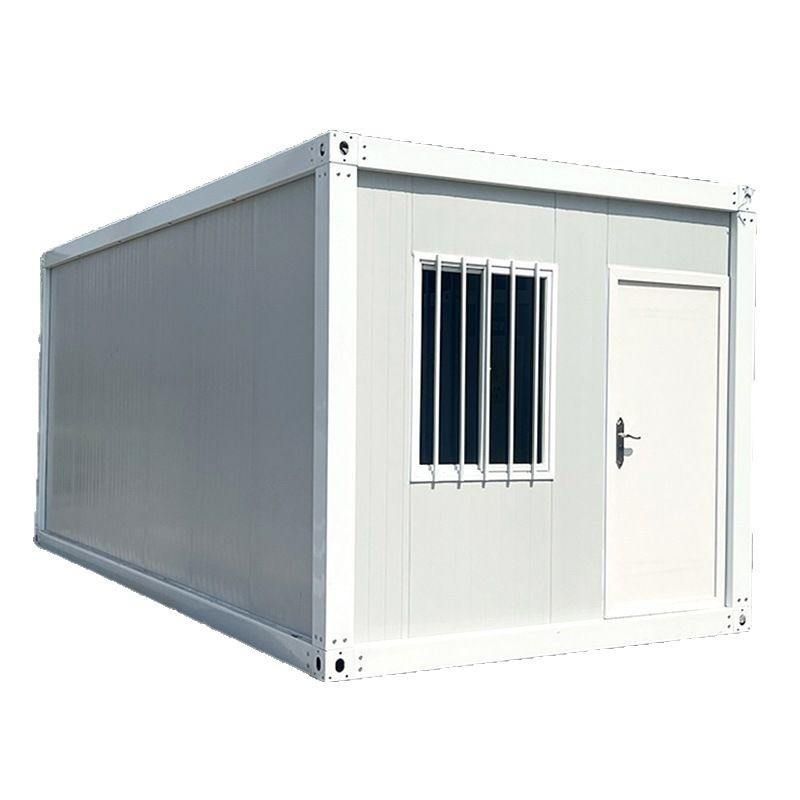
Structural design serves as the fundamental guarantee for waterproofing. The main structure of a container house is typically made of high-strength steel, with the splicing process utilizing sealing strips and high-strength bolts to ensure the tightness of the joints. The roof is usually designed with a slope structure. For example, the roof of the Zeyu foldable container house adopts a four-layer patented structure with a central bulge, which, in conjunction with a drainage system, quickly guides rainwater away, preventing water accumulation and infiltration. This design not only conforms to mechanical principles but also accelerates water flow through gravity, reducing the residence time of rainwater on the roof and thereby lowering the risk of leakage.
Material selection directly impacts waterproofing performance. Roofing materials commonly include waterproof membranes and color-steel tiles, with some designs enhancing effectiveness through multi-layer composite treatments. For instance, the outermost layer of the Zeyu foldable container house roof is made of 104-type color-steel tiles, featuring horizontal small corrugations on the surface to enhance waterproofing performance, while the steel plate surface is coated with a waterproof coating to form a protective layer. Additionally, waterproof membranes (such as SBS modified bitumen membranes) are widely used for laying waterproof layers on container house roofs due to their flexibility and weather resistance, further blocking moisture penetration.
Maintenance measures are key to extending the lifespan of waterproofing. Regularly inspecting the roof condition, promptly repairing cracks and joints (especially at corners, doors, and windows where leaks are prone to occur), and replacing aged sealing strips can effectively prevent leakage. For areas that have already sustained damage, applying waterproof coatings such as polyurethane or epoxy resin can form a dense protective layer. Furthermore, installing roof drainage gutters and downspouts can prevent rainwater backflow or accumulation, further reducing the risk of leakage. If a container house that complies with international or national standards (such as ISO standards) is selected and installed by a professional team, its waterproofing performance is usually more reliably guaranteed.
In conclusion, the waterproofing performance of a container house roof requires the joint realization through scientific design, high-quality materials, and standardized maintenance. Users should select compliant products and conduct regular maintenance based on actual needs during use to ensure long-term stability of the waterproofing effect.



