
Is the Outdoor Portable Toilet Safe?
The safety of outdoor portable toilets cannot be generalized; it is influenced by multiple factors such as management, sanitary conditions, and post-use disposal methods, with no evidence currently indicating their absolute safety.
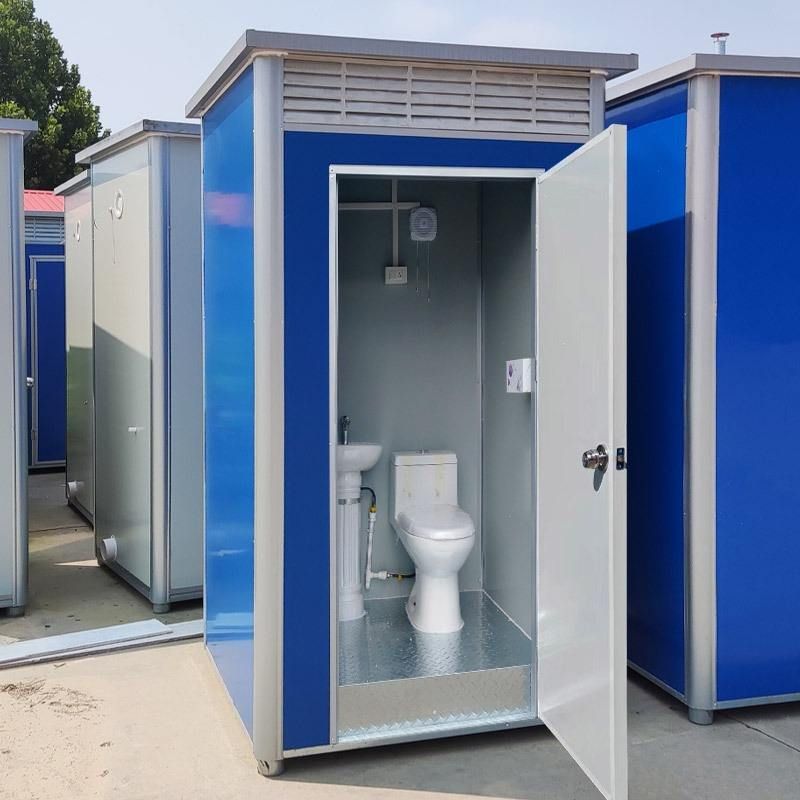
Management Level Directly Affects Safety
The original intention of setting up outdoor portable toilets is to reduce environmental pollution and health risks, but if not managed properly, they can instead become sources of pollution. For example, if cleaning frequency is insufficient, excreta may overflow or breed mosquitoes, contaminating surrounding soil and water sources; if not cleared away promptly, pathogens in feces (such as E. coli and parasite eggs) may spread through rainwater runoff, increasing the risk of infection for users. Additionally, some portable toilets lack rain and wind protection designs, and may collapse or be damaged in severe weather, causing injuries to users.
Sanitary Conditions Are the Core Risk Point
The sanitary conditions of outdoor portable toilets are difficult to match those of indoor toilets due to the complex outdoor environment. If not equipped with disinfection equipment or cleaning supplies, users may contract skin diseases or intestinal illnesses from contact with contaminated surfaces (such as toilet seats and door handles). Some portable toilets use simple septic tank designs, and if not properly sealed, odors and harmful gases (such as hydrogen sulfide) may leak, causing respiratory discomfort or poisoning from long-term exposure. Furthermore, with many mosquitoes in the wild, portable toilets without insect screens may become breeding grounds for mosquitoes, increasing the risk of vector-borne disease transmission.
Post-Use Disposal Methods Determine Long-Term Impact
The feces disposal method of portable toilets directly affects their safety. If collected and transported to a professional treatment plant, pollution risks can be effectively reduced; however, if directly dumped in the wild, it may contaminate soil and groundwater, disrupting ecological balance. Some portable toilets use chemical degradants to accelerate feces decomposition, but if the degradants are improperly selected or insufficient in quantity, harmful substances may remain, causing secondary pollution to the environment.
Conclusion: The safety of outdoor portable toilets must be ensured through scientific management, regular cleaning, and standardized feces disposal methods. Users should prioritize choosing portable toilets with standardized management and good sanitary conditions, and pay attention to personal protection (such as using disinfectant wipes and avoiding direct contact with surfaces) to reduce health risks.



