Is Tax Required for Gifted Container Houses?
Whether tax is required for gifted container houses depends on whether they constitute 'real estate' and their usage nature and specific circumstances.

I. Situations where they do not constitute 'real estate'
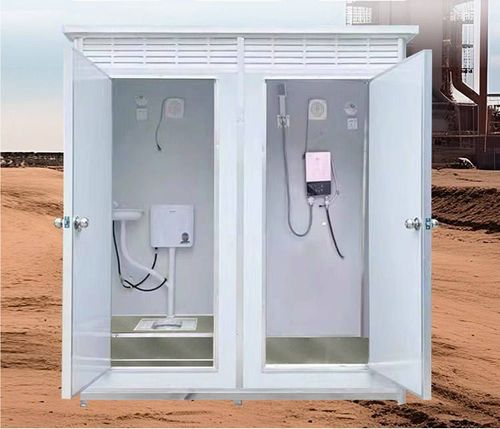
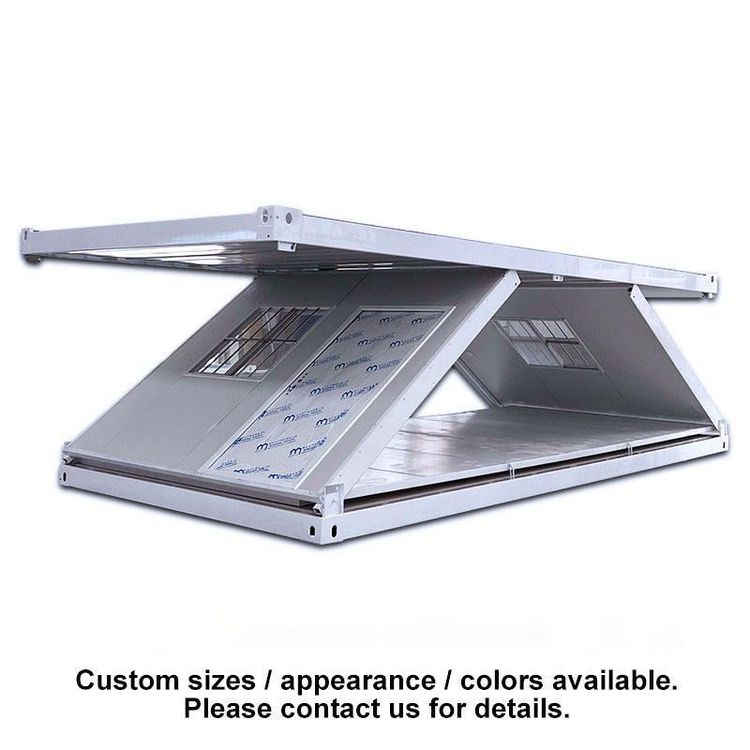
Container houses are essentially containers for transporting goods, intended for transportation purposes, and do not possess the permanence and fixedness characteristics of traditional real estate. If they are only used temporarily, such as for temporary housing on construction sites or temporary warehouses, and do not constitute fixed buildings, they generally do not meet the definition of taxable objects for real estate tax and may be exempt from real estate tax. For example, when construction sites use containers as short-term office or living spaces without permanent foundation treatment or structural modifications, tax authorities generally do not consider them taxable real estate.
II. Situations where they constitute 'real estate'
If a container is permanently fixed in a location and used as a building with residential or business functions, and meets local criteria for defining 'real estate' (such as having independent usability and being fixed to the land), it may be considered taxable real estate. In this case, the property owner is required to pay real estate tax in accordance with the law, with specific tax rates and calculation methods referring to local policies. For example, transforming a container into a permanent residence or shop and connecting it to utilities such as water and electricity may trigger real estate tax conditions.
III. Special circumstances of property gift
If the property rights of a container house are gifted, according to relevant laws and regulations, the gift of property rights usually requires the payment of taxes such as deed tax, personal income tax, and stamp duty. However, gifts between immediate family members may be exempt from certain taxes (such as deed tax). It should be noted that such regulations primarily target traditional houses, and whether they apply to container houses requires judgment based on local policies. For example, some regions may consider container houses as 'other buildings', with different gift tax standards from traditional houses.
IV. Complexity of tax determination
In practice, tax authorities will comprehensively consider factors such as the usage, degree of fixation, modification methods of the container, and local policies. For example, whether structural reinforcement is performed, whether municipal facilities are connected, and the service life may all affect tax determination. Therefore, when dealing with tax matters related to container houses, it is advisable to consult local tax authorities or professional lawyers in advance to obtain accurate guidance.