Is Selling Prefabricated Houses Profitable Now?
Currently, there are profit opportunities in selling prefabricated houses that align with policy directions, but old prefabricated panel houses face the pressure of being phased out, and it is necessary to distinguish between technological gaps and market positioning.

Profit Space Driven by Policies and the Market
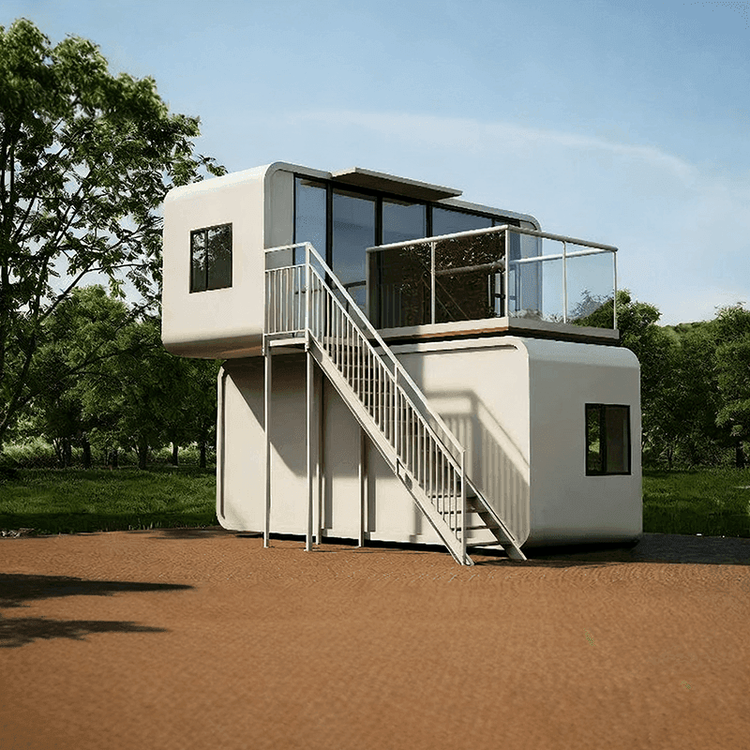
Prefabricated houses (with factory-prefabricated components assembled on-site) have significant profit potential due to alignment with national policy directions. The State Council's '15th Five-Year Plan for Urban Renewal' clearly proposes to expand the application ratio of prefabricated buildings, and the Ministry of Housing and Urban-Rural Development has set a target of prefabricated buildings accounting for 40% of newly built urban buildings by 2030. Driven by policies, the industry is in a stage of rapid growth. For example, a young man born in 1993 in Hebei sold 3,000 prefabricated houses in three years, with annual sales exceeding 100 million yuan. In addition, the export market is performing strongly. In the first half of 2026, China's total export value of prefabricated buildings reached 2.79 billion US dollars, a year-on-year increase of 45%, covering more than 150 countries and regions. Overseas customers regard them as the preferred option for permanent buildings. Prefabricated buildings are more favored by the market due to advantages such as short construction periods, low pollution, and controllable quality, especially in areas such as urban renewal and rural revitalization where demand is strong.
The Risk of Phasing Out Old Prefabricated Panel Houses
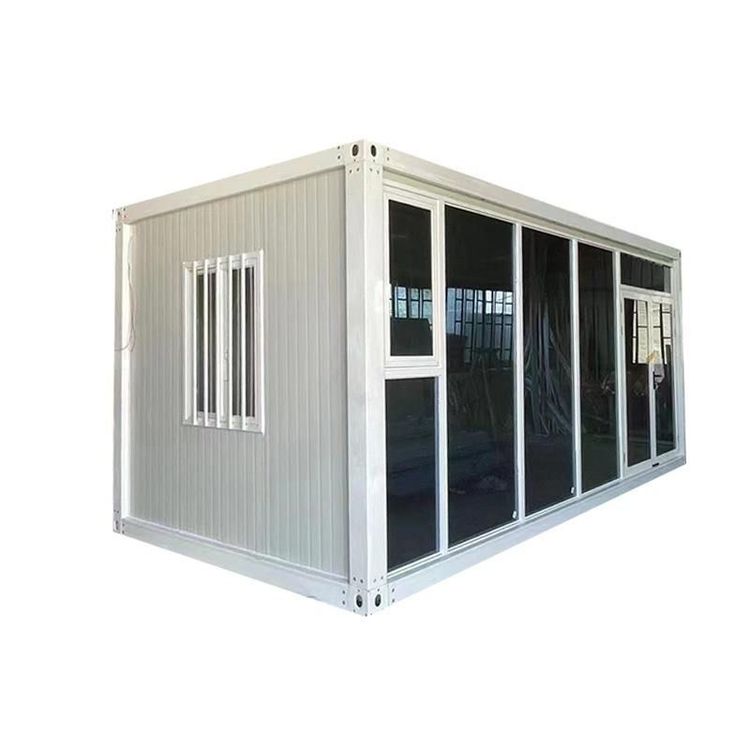
Traditional prefabricated panel houses (such as early brick-concrete structure prefabricated panel houses) have seen a decline in market acceptance due to issues such as poor sound insulation, heat insulation, and aging pipelines. For example, a 55-square-meter prefabricated panel house in Chengxi, Shenzhen, was only sold after its listing price dropped from 920,000 yuan to 760,000 yuan, and prices of old and dilapidated houses in the core areas of Beijing have generally fallen by 35%-45%. These houses have a technological gap compared with the prefabricated houses promoted by current policies. The latter are produced to industrial standards, with higher structural safety and living comfort, while old prefabricated panel houses face the pressure of being difficult to sell at reduced prices or even being phased out due to outdated technology and high maintenance costs.
Key Conclusions
Whether selling prefabricated houses is profitable depends on the product type: Prefabricated houses that comply with policy directions and industrial standards (such as modular buildings and steel-structure integrated houses) have relatively large profit spaces, especially driven by policy support, export growth, and demand for urban renewal; Old prefabricated panel houses face difficulties in making profits and may even incur losses due to outdated technology and shrinking market demand. Practitioners need to focus on technological upgrades and market positioning and avoid investing in the field of traditional prefabricated panel houses.