Is Renting Out Container Houses Profitable?
Renting out container houses can be profitable, but the profit margin is influenced by factors such as the business model, regional demand, and cost control. Here is a detailed analysis:

1. Low Procurement Cost and High Deposit Model
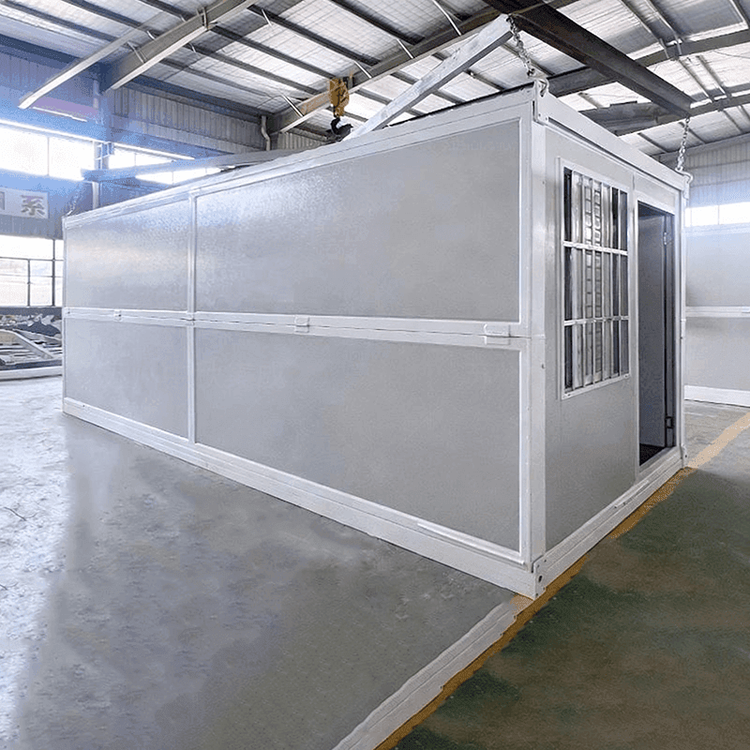
By purchasing second-hand or scrapped containers (with a cost of approximately 6,500 yuan per unit and a total landing cost of about 7,000 yuan), attracting customers with extremely low daily rent (9 yuan/day) while charging a high deposit (14,000 yuan per unit). The rent is deducted from the deposit, allowing for rapid capital recovery through the deposit and investment in new projects, achieving low-cost rolling expansion. This model relies on the efficiency of deposit turnover and requires ensuring that the customer default rate is controllable.
2. Revenue from Large-Scale Leasing
Taking the Chongqing market as an example, some companies have achieved high profits through large-scale operations: with a daily rent of 6 yuan per unit, an annual rental volume of 2,000 units, a gross profit of approximately 2,000 yuan per container per year, and an annual turnover of up to 4 million yuan, with net profits exceeding one million yuan. The economies of scale are significant, but issues such as transportation, installation, and vacancy rates need to be addressed.
3. High Gross Profit Margin Combining Sales and Leasing
The procurement and renovation cost of a single standard container is approximately 22,500 yuan, with a market selling price ranging from 35,000 to 45,000 yuan, achieving a gross profit margin of 40% to 50%. If choosing the leasing route, with a monthly rent of 800 to 1,500 yuan, the annual return rate exceeds 30%, and the payback period is 12 to 18 months. Combining sales and leasing allows for flexible responses to market demand, but requires balancing inventory and capital occupation.
4. Differentiated Value-Added Services
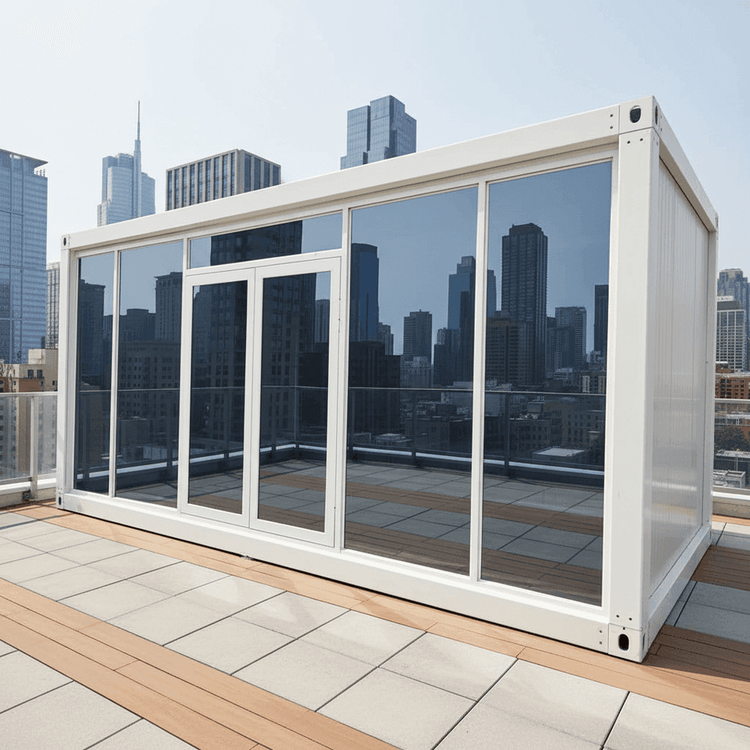
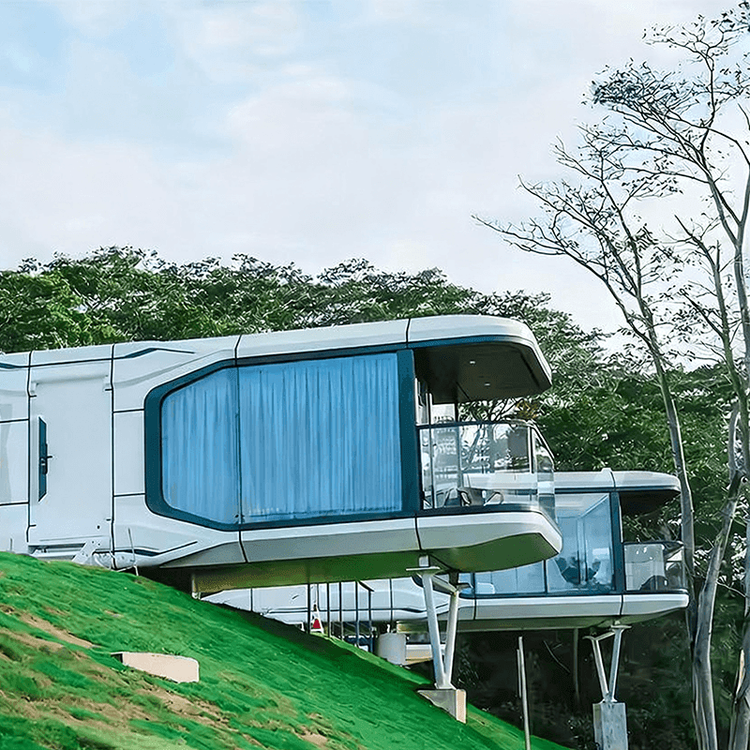
Enhancing added value by installing air conditioners, photovoltaic panels, or providing cleaning, water, and electricity access services. For example, container units for homestays or wedding themes can command a daily rent of up to 5,000 yuan, significantly higher than ordinary rentals. Differentiated services can expand the high-end market, but require upfront investment in renovation costs and precise targeting of customer groups.
Hidden Costs to Consider
- Transportation and Installation Fees: Accounting for 10% to 15% of the total cost, with transportation costs doubling for remote construction sites.
- On-Site Wear and Tear: Containers are prone to wear and tear during handling or use, resulting in high maintenance and depreciation costs.
- Vacancy Rates and Payment Terms: Fluctuations in demand may lead to vacancies, and delayed rent payments from customers can affect cash flow.
In conclusion, renting out container houses has profit potential, but it is necessary to select an operational model based on regional demand, strictly control costs, and enhance competitiveness through large-scale operations or differentiated services.