Is Living in a Container House Dangerous?
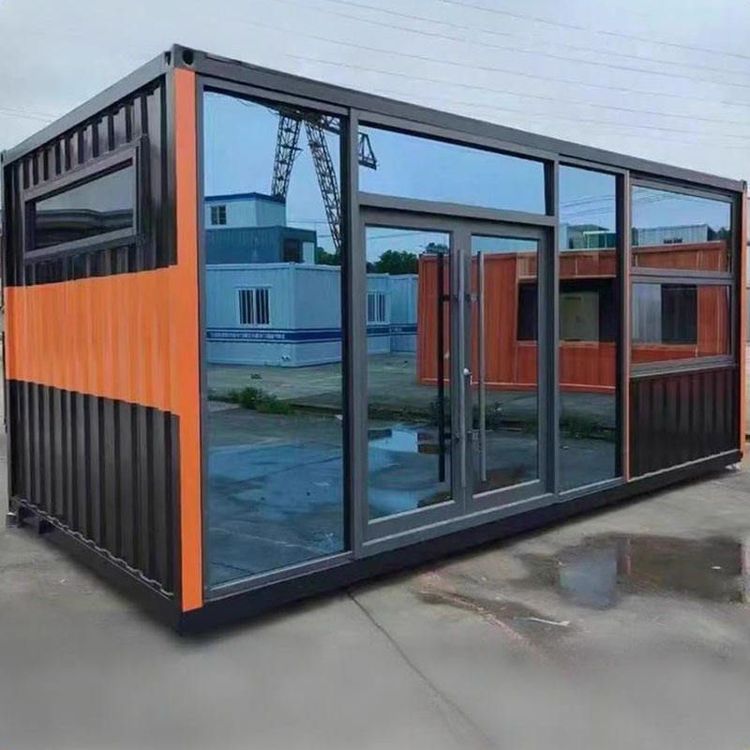
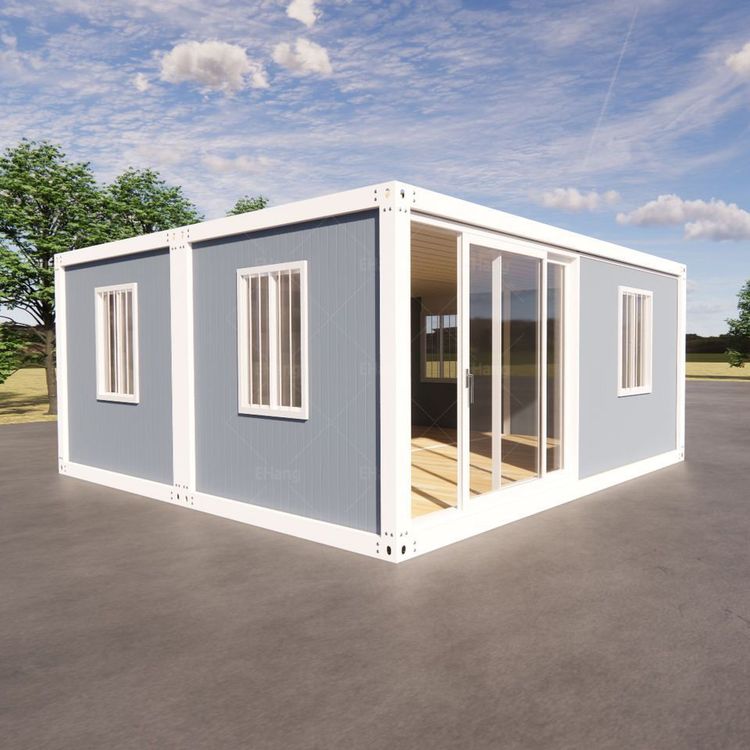
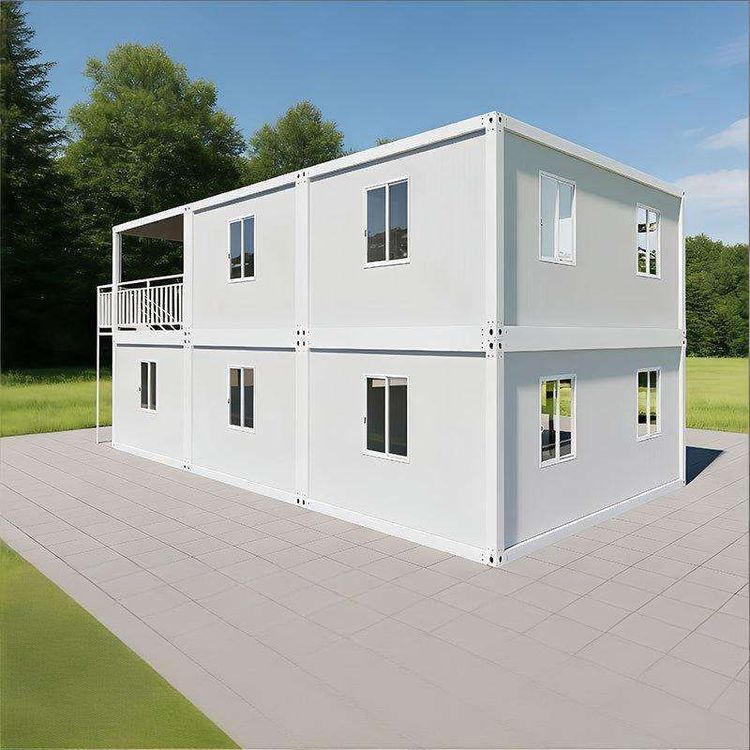
Whether living in a container house is dangerous depends on the situation. Container houses that have been modified in compliance with regulations and meet quality standards are relatively safe under normal use conditions. However, container houses that have been modified illegally or are of poor quality pose multiple risks.
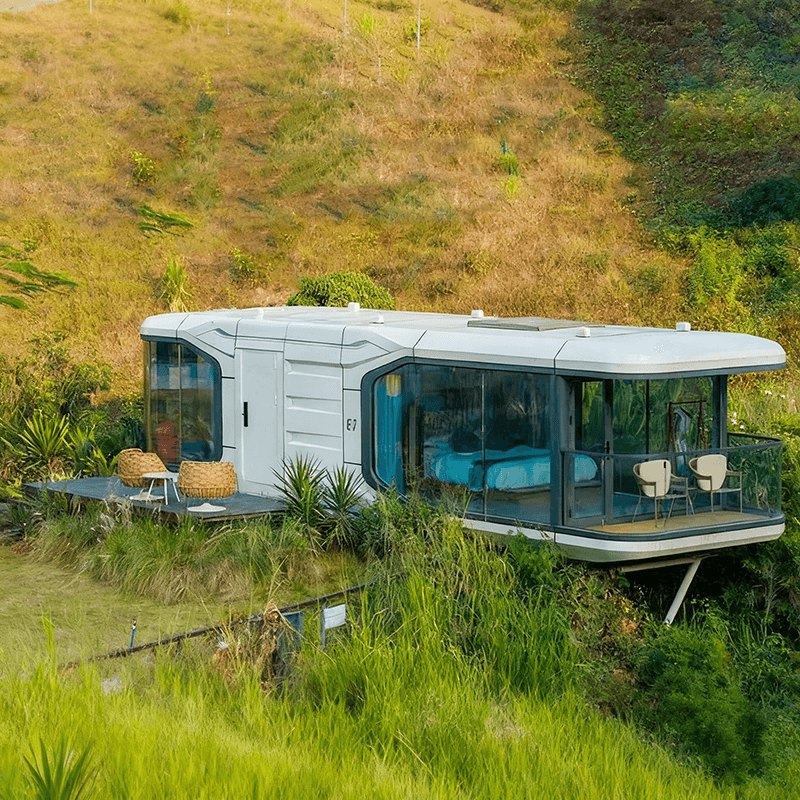
I. Container houses that comply with regulations and meet quality standards have high safety
- Structural strength and durability: Container houses are originally designed to withstand heavy loads and extreme weather conditions. They are connected to the foundation with steel structures, providing good earthquake and wind resistance. For example, some products can withstand an earthquake intensity of 8 degrees (equivalent to a magnitude 6.4 earthquake), withstand a wind pressure of 0.45KN/㎡ (about a force 10 wind), and can even resist hurricanes of force 12 or above after reinforcement.
- Fire resistance: Compliant products use fire-resistant materials with a fire rating of B1 or above, which can effectively delay the spread of fire and buy time for escape.
- Lightning protection and electrical safety: The steel structure itself can serve as a lightning protection system. Insulating materials are used indoors, and lightning rods and other equipment can be installed. The circuit design is grounded to reduce the risk of electric shock.
- Environmental protection and customizability: The material recycling rate is over 80%, which aligns with the low-carbon concept. Home appliances such as air conditioners and TVs can be installed according to needs, and integrated bathrooms can be configured to improve living comfort.
II. Container houses that have been modified illegally or are of poor quality have prominent risks
- Fire hazards: Illegally modified containers often use flammable sandwich panels with non-compliant fire ratings. Issues such as unauthorized wiring and the mixed use of high-power electrical appliances can easily lead to fires.
- Structural safety hazards: Non-standard products use thin steel frames with a wind resistance rating of only 6 - 7 degrees. They are prone to deformation and cracking in coastal or strong wind areas. Foldable products have low transportation efficiency, increasing costs.
- Location and environmental risks: Some containers occupy collective land and block fire exits. Locations in low-lying areas are at risk of being washed away by floods during the flood season, with insufficient disaster resistance.
- Legal and neighbor disputes: Illegal modifications are considered illegal construction and may lead to complaints and demolition.
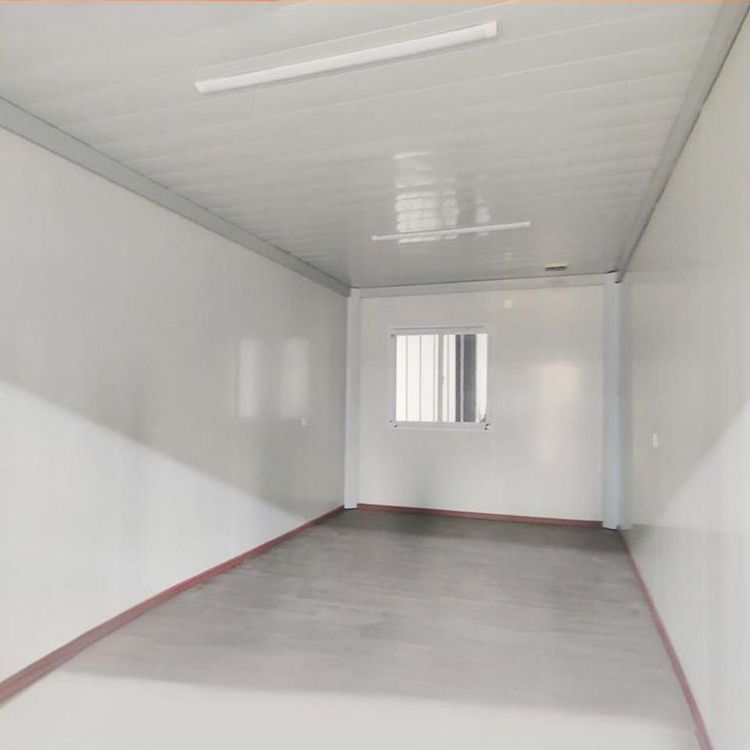
III. Long-term residence requires meeting specific conditions Compliant container houses can meet the needs of long-term residence through customized interior and exterior decoration and the installation of home appliances. Their service life can reach 5 - 25 years or even longer. However, attention should be paid to issues such as thermal insulation and sound insulation, and reliable manufacturers should be selected for their products.