
Is It Okay to Place Container Houses on Roofs?
Placing container houses on roofs is generally considered an unauthorized construction activity, but it may be legal under specific conditions.
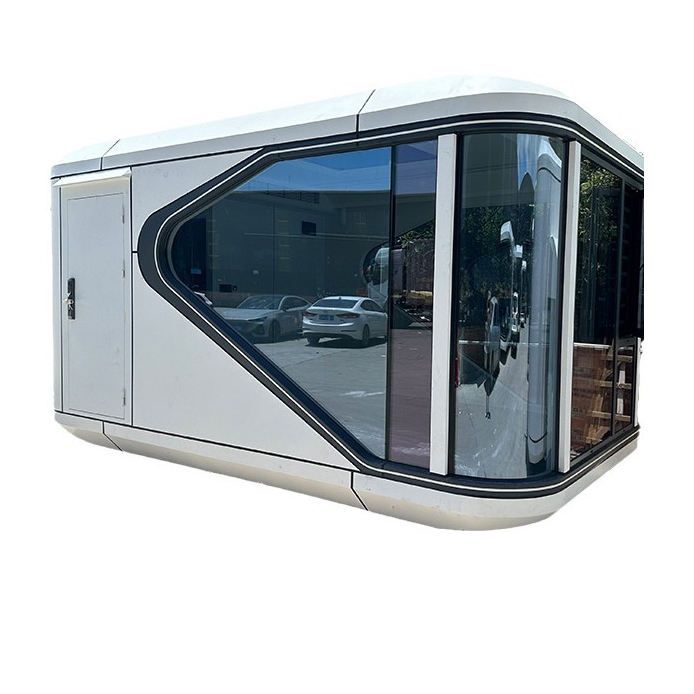
From a legal perspective, according to relevant urban and rural planning management regulations, external structures or attachments to buildings, including containers, require prior approval or permission from planning and housing construction authorities. Unauthorized placement without approval violates laws and regulations, constituting unauthorized construction. The 'Administrative Measures for Adding Structures to Existing Building Roofs' issued by the Ministry of Housing and Urban-Rural Development in September 2024 explicitly prohibit the addition of any form of building to existing building roofs without structural safety assessments and planning permits. This means that placing container houses on roofs without fulfilling relevant approval procedures is illegal and may result in penalties such as orders for demolition and fines.
From a safety standpoint, roof structures are designed to support the building's own weight and expected loads. Placing heavy containers may impose additional stress on the roof structure, leading to safety hazards. Therefore, it is essential to ensure that the roof structure can bear the weight of the container and meets all safety standards. Additionally, placing containers on roofs may involve altering the building's structure and function, requiring consideration of potential impacts on fire safety, such as obstructing fire exits or affecting the use of fire protection facilities.
However, there are conditions under which placing container houses on roofs is legal. If prior applications are made to local planning and construction authorities and approval is obtained, with approval details including the container's size, location, and purpose, placing container houses on roofs is legal. Furthermore, in response to natural disasters or other emergencies, temporary placement of containers on roofs as emergency facilities may be necessary. In such cases, relevant procedures should be promptly completed afterward, or the containers should be removed promptly after the emergency situation ends to avoid constituting unauthorized construction.



