
Is It Legal to Rent Mobile Toilets?
Whether renting mobile toilets is legal depends on specific circumstances and mainly involves legal considerations such as usage, approval, and contract legality. Here is a detailed analysis:
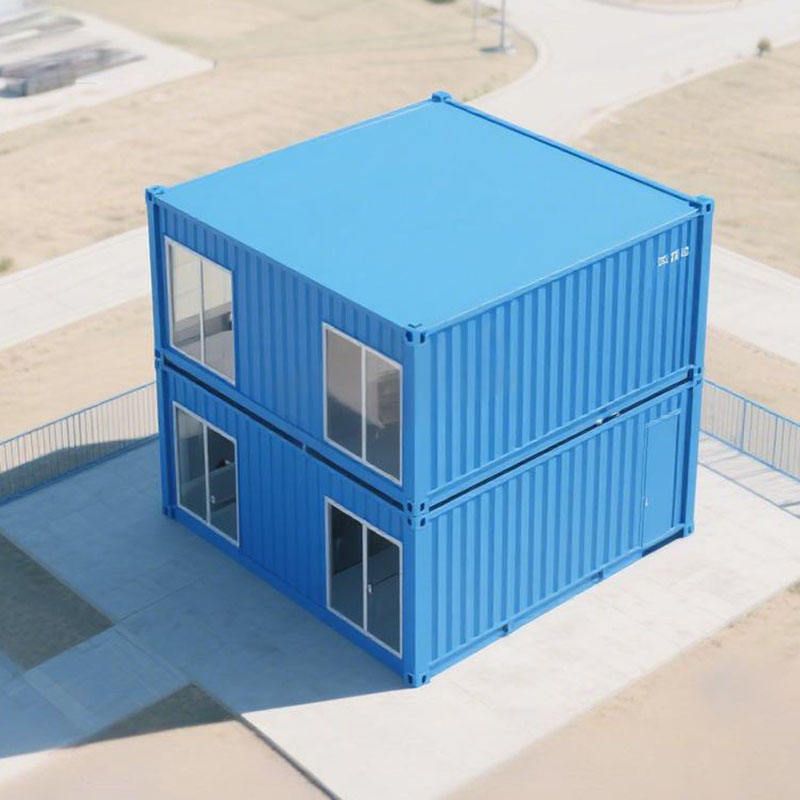
Usage and Planning Compliance
If mobile toilets are public facilities allocated by the government, their usage is typically restricted to meeting sanitation needs in public places, such as parks, squares, and temporary event venues. According to the "Measures for the Administration of Urban Management Law Enforcement in the People's Republic of China", if urban management departments or other management agencies rent out public mobile toilets to non-public users such as vendors and merchants without authorization, they may be deemed to have violated the original purpose and usage regulations of the facilities and thus be considered illegal. For example, converting a public toilet into a warehouse or shop not only harms public interests but may also face administrative penalties.
Approval and Licensing Requirements
If mobile toilets are privately or corporately owned, the following conditions must be met before renting them out:
- Planning Approval: It is necessary to confirm whether the location and scale of the mobile toilets comply with urban and rural planning and land use requirements. Setting up or renting out mobile toilets without approval from the planning department, or occupying public spaces (such as sidewalks and fire exits) for their placement, may be considered unauthorized construction and face the risk of demolition or fines.
- Business License: If mobile toilets are used for business activities (such as charging for public toilet services), relevant business licenses must be obtained in accordance with the "Measures for the Investigation and Handling of Unlicensed and Unregistered Business Activities". Charging fees without a license may result in investigation and punishment by market regulatory authorities.
Contract Validity and Risks
Even if the lessor and the lessee sign a lease contract, if the contract content violates mandatory provisions of laws and regulations (such as restrictions on the usage of public facilities and unauthorized construction determinations), the contract may be deemed invalid. In this case, the lessee may face risks such as eviction from the premises and inability to assert rights, while the lessor may also bear administrative liability for illegal renting.
Recommendations
- The lessor should first confirm the property rights nature and usage restrictions of the mobile toilets. If they are public facilities, authorization from the government or relevant departments is required.
- Ensure that the placement location complies with land use planning and urban and rural planning, and apply for approval from the planning department if necessary.
- If used for business activities, obtain the relevant business license in accordance with the law.
- Consult local planning departments or lawyers before signing the contract to avoid legal risks.



