
Is It Good to Use Prefabricated Panels for New Houses?
It is not recommended to use prefabricated panels for new houses for the following reasons:
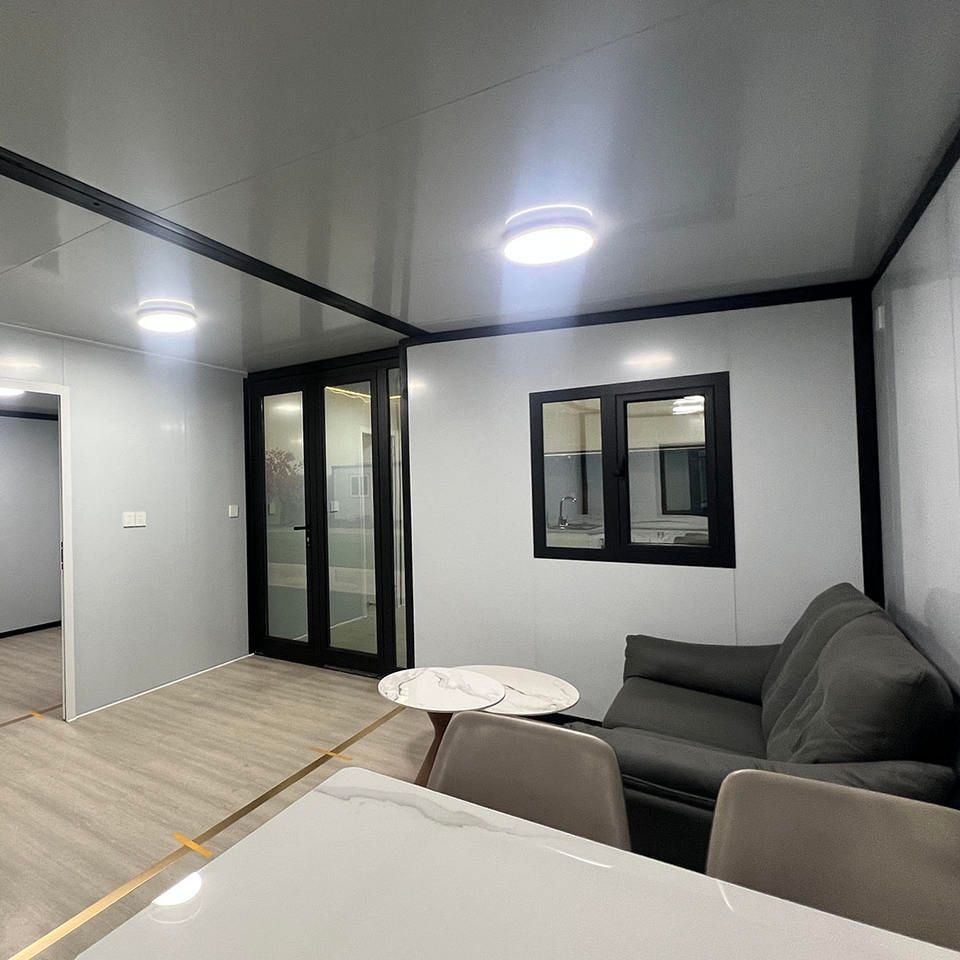
Poor overall performance: Prefabricated panels are assembled from multiple prefabricated components, with gaps between the panels. These gaps are likely to crack and leak water in the future due to factors such as temperature changes and foundation settlement. Moreover, even with collar beams and anchoring measures, the overall performance of prefabricated panels is far inferior to that of cast-in-place slabs. Cast-in-place slabs are formed by pouring concrete on-site, allowing them to better integrate with walls and other structures, creating a continuous and complete load-bearing system. Prefabricated panels have a significant disadvantage in this regard.
Low seismic performance: In earthquake-prone areas, it is absolutely not advisable to use prefabricated panels for house construction. The seismic coefficient of prefabricated panels is too low, and their connection methods are usually achieved through grouting or welding in reserved holes or slots. Under strong external forces such as earthquakes, these connection methods are easily damaged, leading to the detachment of prefabricated panels or the instability of the overall structure, which can cause house collapse and seriously threaten the lives of occupants.
Short service life: Although manufacturers claim that the service life of prefabricated panels can reach 50 years, the actual situation is not optimistic. After about 10 years of use, prefabricated panels may show signs of aging, rusting, cracking, and leakage. These problems not only affect the appearance and normal use of the house but also pose potential threats to the structural safety of the house.
Poor thermal insulation: Prefabricated panels are generally about 12 centimeters thick and have a hollow structure, but their thermal insulation performance is poor. In summer, the indoor temperature will be relatively high, requiring long-term use of air conditioning and other equipment for cooling; in winter, the indoor temperature will be relatively low, with poor warmth retention. In general rural areas where multi-story houses are used, it is also necessary to cover the floor with secondary roofing materials to compensate for the insufficient thermal insulation of prefabricated panels.
Possible violation of regulations: According to Article 54 of the Construction Law of the People's Republic of China, construction units shall not require architectural design units or construction enterprises to violate laws, administrative regulations, and construction engineering quality and safety standards, thereby reducing the quality of the project. The use of prefabricated panels may violate this provision due to safety issues. At the same time, Article 29 of the Regulations on the Administration of Construction Engineering Quality requires that construction units must inspect building materials and building components and parts, and those that have not been inspected or have failed the inspection shall not be used. If prefabricated panels have quality problems, they will not pass the inspection and shall not be used for house construction.



