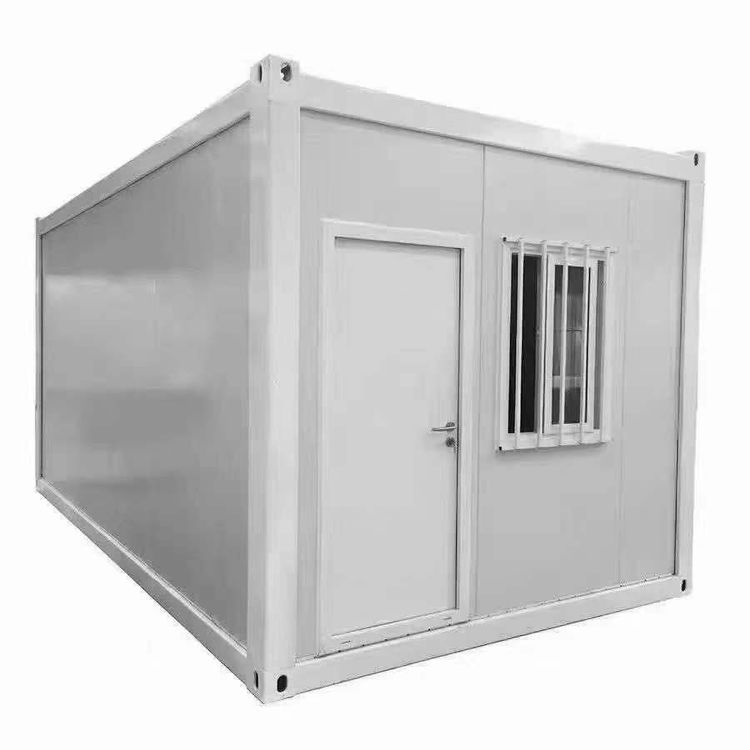
Is It Good to Use Prefabricated Panels for Housing?
There are many problems with using prefabricated panels for housing, and it is generally not recommended.

I. Prominent Safety Issues Prefabricated panels have poor integrity and almost zero earthquake resistance. Under external forces such as earthquakes, their connection points are extremely fragile, making them a structure that “falls apart at the slightest touch”. In terms of materials, the phenomenon of cutting corners in the production of prefabricated panels is relatively common. They are brittle and prone to breakage, and may even fall off with just a slight shake, posing a serious threat to the lives of occupants. For example, in some earthquake-stricken areas, houses built with prefabricated panel structures often collapse rapidly during earthquakes, resulting in a large number of casualties and property losses.
II. Serious Leakage Problems The leakage performance of prefabricated panels is far worse than that of cast-in-place panels. In rural self-built houses, it is relatively common to use prefabricated panels as roofs, but 8 out of 10 such houses will experience rain leakage. Even with waterproofing treatment, it is difficult to guarantee 100% leak-proofness. This is because there are gaps between the prefabricated panels, and rainwater can easily seep into the interior through these gaps. Long-term leakage can also lead to problems such as moldy and peeling interior walls, affecting the service life of the house and the comfort of living.
III. Poor Thermal Insulation Performance The thermal insulation performance of prefabricated panels is very poor. The indoor temperature is high in summer and low in winter. This is determined by the material and structural characteristics of the prefabricated panels. Their thermal conductivity is relatively good, making it difficult to effectively block changes in external temperature. To improve this problem, it is generally necessary to cover the floor slab with secondary roofing materials, such as laying insulation boards, but this undoubtedly increases construction costs and difficulty.
IV. Although There Are Advantages in Price and Construction Speed, Comprehensive Consideration Does Not Recommend Use Prefabricated panels are cheap and can be hoisted and installed in just one day or half a day. However, taking into account factors such as safety, waterproofing, and thermal insulation, if financial constraints are not a major issue, it is still recommended to use a roof cast with in-situ cement. In-situ cement roofs have good integrity, strong earthquake resistance, and better waterproofing and thermal insulation performance than prefabricated panels, providing occupants with a safer and more comfortable living environment.