
Is It Good to Use Prefabricated Panels for Houses?
There are many problems with using prefabricated panels for houses, and it is not recommended. The specific reasons are as follows:
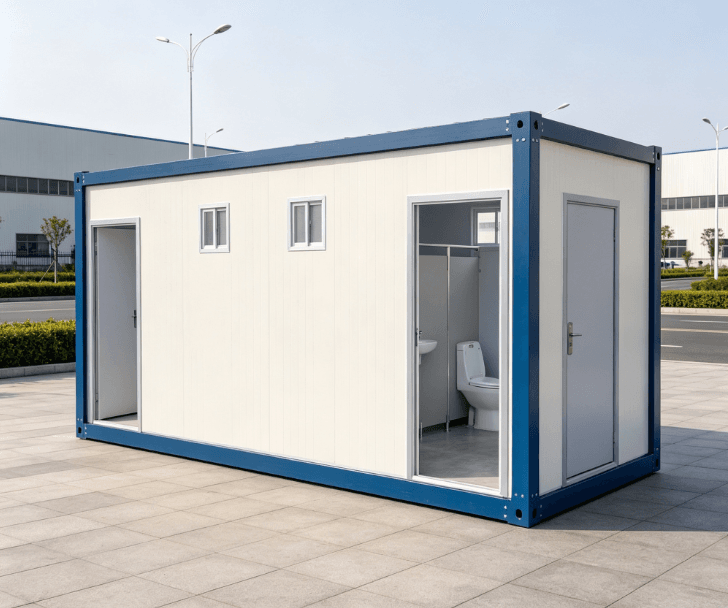
Prominent safety issues: Prefabricated panels are usually placed on walls, and their connection methods with the walls are relatively unstable. When the house is subjected to external forces, such as earthquakes, strong winds, or human-induced shaking, the prefabricated panels are prone to loosening or even falling off. This safety hazard poses a serious threat to the lives of the occupants inside the house, especially in earthquake-prone areas where houses using prefabricated panels are more likely to collapse during earthquakes, resulting in significant casualties and property losses.
Severe leakage problems: Compared with cast-in-place panels, prefabricated panels have much higher leakage rates. In areas with frequent water use, such as kitchens and bathrooms, the use of prefabricated panels is prone to water seepage. This is because there are gaps at the joints between the prefabricated panels, and water can easily penetrate through these gaps to the floor below or inside the walls, not only affecting the normal life of the occupants downstairs but also potentially causing problems such as mold and peeling on the walls, affecting the service life and aesthetics of the house.
Short design life: The design life of prefabricated panel houses is generally only about 30 - 40 years, while the design life of commercial houses is usually 70 years. Many prefabricated panel houses built in the 1970s and 1980s have now exceeded their design life. These houses have varying degrees of problems in terms of structural safety and functionality, requiring reinforcement or renovation, or even demolition and reconstruction.
Poor thermal insulation and sound insulation effects: Prefabricated panel houses are assembled from cement components, and they have significant deficiencies in thermal insulation and sound insulation. In winter, indoor heat is easily lost to the outside through the prefabricated panels, resulting in lower indoor temperatures and requiring more energy to keep warm. In summer, outdoor heat can also easily enter the house, raising the indoor temperature and increasing the frequency and energy consumption of air conditioning and other cooling equipment. At the same time, the sound insulation effect of prefabricated panels is poor, and external noise can easily enter the house, affecting the quality of life of the occupants.
Poor overall integrity: There are gaps between the prefabricated panels, and the likelihood of these gaps cracking and leaking water is relatively high. Even if the house is equipped with structural measures such as ring beams and anchors, the overall integrity of prefabricated panel houses is far inferior to that of cast-in-place floors. During the use of the house, due to factors such as foundation settlement and temperature changes, the gaps between the prefabricated panels may further widen, leading to problems such as cracks and deformation in the house, affecting the structural safety and functionality of the house.



