
Is It Good to Use Containers for Underground Houses?
Using containers for underground houses has its advantages, but there are also key considerations that require comprehensive evaluation before deciding to adopt this approach.
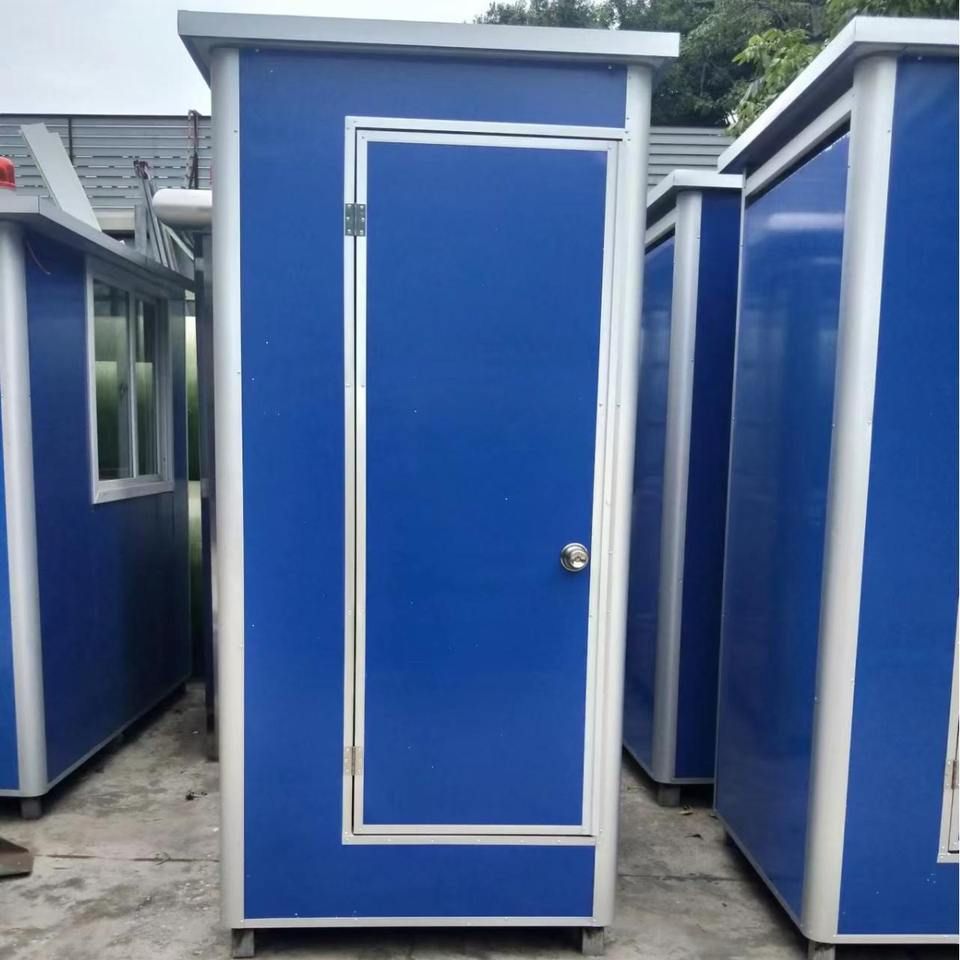
Advantages:
Firstly, flexibility and mobility are core features of container houses. Their modular design allows for rapid assembly, relocation, or disassembly, making them particularly suitable for temporary structures, emergency shelters, or scenarios requiring frequent layout adjustments. Secondly, cost and construction efficiency are significantly better than traditional buildings. The standardized production of containers shortens construction periods, reduces labor and material costs, while the strength and durability of steel structures enable them to withstand natural disasters such as earthquakes and strong winds, with reliable waterproof and fireproof properties. Additionally, environmental and energy-saving features stand out, as reusing discarded containers reduces construction waste, and incorporating insulation layers and solar equipment can further enhance energy efficiency. Customization potential is another highlight, as through cutting, stacking, or spatial combinations, multifunctional layouts for underground houses can be achieved to meet different needs such as living and storage. Finally, special designs support underground applications, with some buried containers optimized for underground environments, featuring waterproof, moisture-proof, and corrosion-resistant properties, making them directly usable for underground storage or temporary structures.
Considerations:
Thermal insulation and heat retention are primary challenges. The metal exterior of ordinary containers has high thermal conductivity, and without high-quality insulation materials, underground houses may experience increased energy consumption or discomfort due to temperature differences, necessitating the selection of container products with professional insulation layers. Sound insulation is equally critical, as metal structures easily conduct sound, and underground environments may amplify noise, requiring improvement through internal soundproofing materials or structural design. Legality must be strictly verified, as underground construction involves land use, planning approval, and other regulations, requiring confirmation of local permissions for containers as temporary structures and completion of reporting procedures to avoid regulatory risks. Installation and maintenance requirements are high, with buried containers needing professional teams to ensure proper burial depth, drainage systems, and foundation stability, while regular inspections of waterproof layers and structural corrosion are necessary to prevent damage from underground humid environments.
In conclusion, using containers for underground houses offers advantages in efficiency, cost, and environmental protection, but requires technological improvements to address thermal and sound insulation issues, along with strict adherence to regulations and professional construction standards, to achieve safe and sustainable underground space utilization.



