
Back to blog
Article
Is It Good to Use Containers for Housing?
Admin September 17, 2026
Overall, using containers for housing has its advantages but also presents challenges. Whether it is 'good' depends on specific needs.
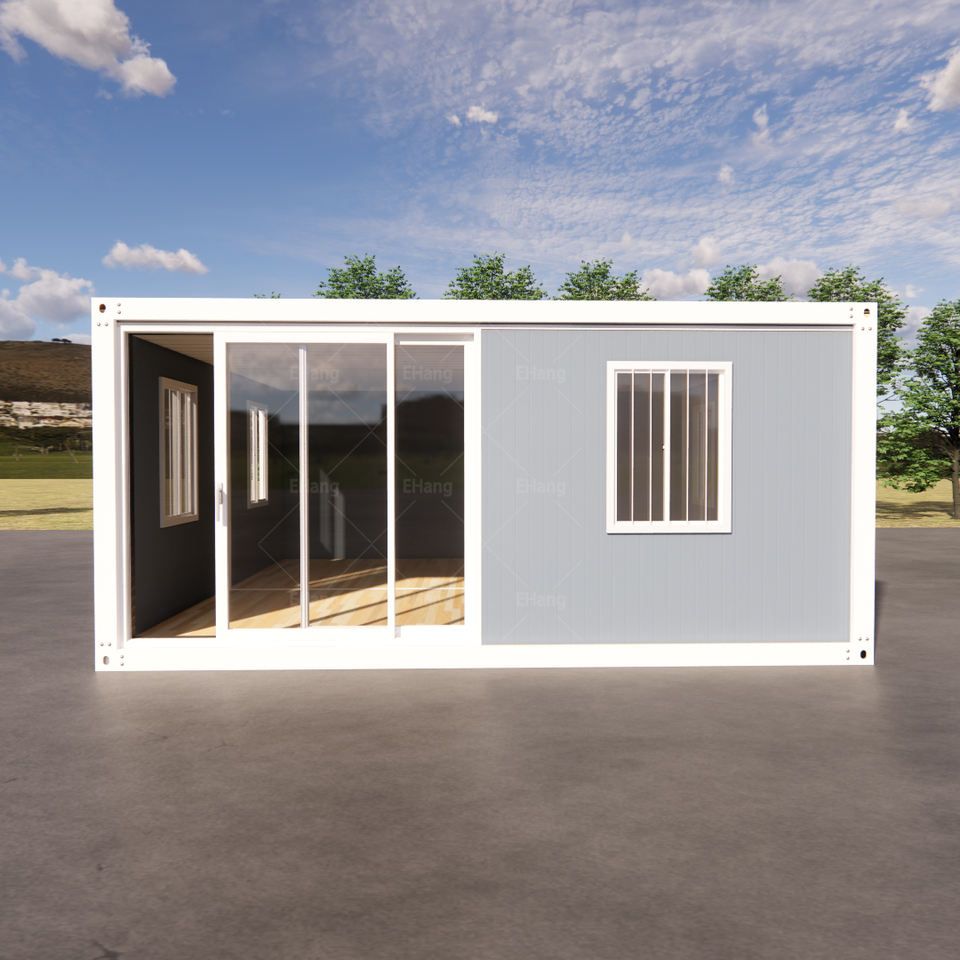
Advantages:
- Personalization and Flexibility: Container houses can be painted according to personal preferences, and their modular design allows for various combinations, meeting different needs from single rooms to complex multi-story buildings. They can also be quickly assembled and disassembled, adapting to various environments and functional requirements, making them suitable for both temporary and long-term use.
- High Structural Safety: Containers originally used for long-distance cargo transportation are structurally robust, designed to protect goods. After appropriate reinforcement and modification, they can withstand harsh weather and natural disasters such as typhoons and earthquakes. Their structural safety is equivalent to that of traditional cast-in-place buildings, with high precision in component production. According to national standards, they can be adapted to seismic fortification areas of 6-9 degrees in China, and mature products in the industry can even withstand earthquakes of magnitude 8 and typhoons of force 12.
- Significant Cost-Effectiveness: The construction cost is generally lower than that of traditional houses, especially advantageous in areas with limited land resources or expensive building materials. The rapid construction speed and mobility help reduce overall living costs. Moreover, on-site construction and factory production occur simultaneously, significantly shortening the construction period compared to traditional buildings, and reducing on-site labor and construction waste emissions. The total project cost can be saved by approximately 20%.
- Strong Environmental Sustainability: Recycled shipping containers can be used for construction, reducing resource waste. They can also be equipped with complete water and electricity piping systems and renewable energy equipment, such as solar panels, to improve energy efficiency and environmental friendliness.
Challenges:
- Comfort Needs Improvement: Metal materials are prone to heat conduction, requiring proper insulation treatment and the installation of air conditioning and ventilation systems in cold or hot climates. Additionally, the limited width of containers requires careful internal design planning, using multifunctional furniture, reasonable zoning, and large windows to enhance the sense of space.
- Stability of Energy Supply Needs Attention: Initial energy solutions relied on grid power supply and had issues with unstable indoor temperatures. Although subsequent upgrades and modifications have been made, the stability and comfort of energy supply still need to be prioritized.
- Service Life Affected by Environment: In humid or high-salt areas, corrosion problems are severe, requiring continuous maintenance and upkeep, including regular rust prevention treatment, painting, and inspection of piping and electrical systems.
- Personalized Design Restrictions: To control costs, standardized module sizes need to be used, limiting the pursuit of personalized shapes to a certain extent.



