
Is It Good to Use Aluminum Panels for Mobile Toilets?
It is feasible to use aluminum panels for mobile toilets, and they offer multiple advantages.
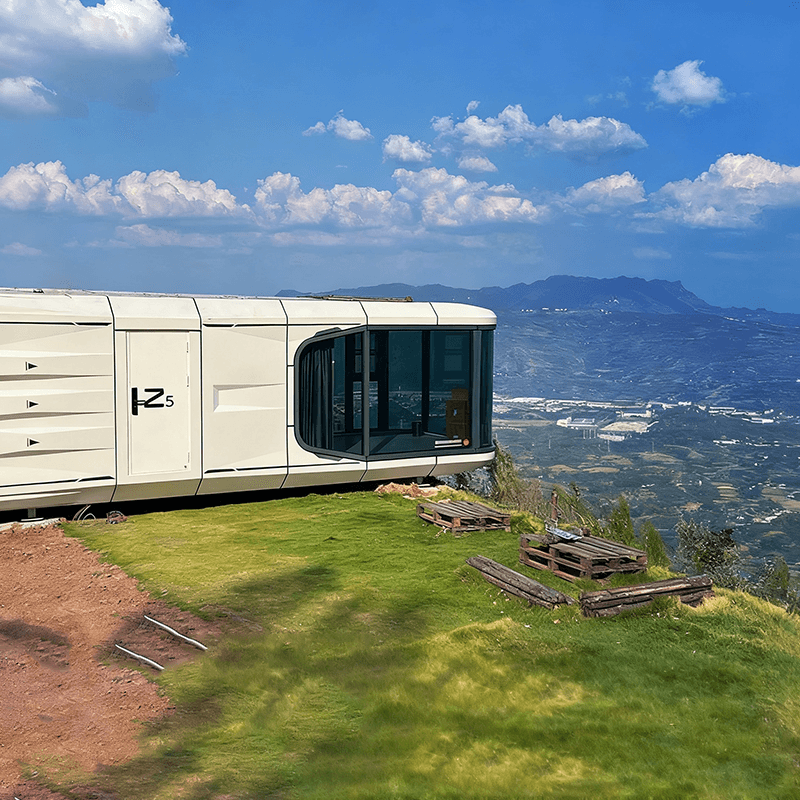
From the perspective of material properties, aluminum panels can be applied in mobile toilets in various forms, with different types of aluminum panels meeting specific functional requirements. Aluminum-plastic panels are composed of two layers of aluminum panels with a polyethylene plastic core layer sandwiched in between. Their core advantages lie in their lightweight nature and excellent weather resistance. This structure makes them more convenient during transportation and installation, especially suitable for mobile toilet scenarios that require frequent relocation or temporary setup. However, the overall structural strength of aluminum-plastic panels depends on the internal framework support. If the framework design is unreasonable or the installation is not in place, it may affect long-term stability. Therefore, it is necessary to ensure the robustness and rationality of the framework.
Aluminum ceiling tiles focus more on durability and waterproofing. They are moisture-resistant, impact-resistant, and stain-resistant. After special surface treatment, they have strong antioxidant properties, significantly extending their service life. In the application of walls or ceilings in mobile toilets, aluminum ceiling tiles can achieve overall sealing through seamless splicing technology, effectively preventing water penetration and avoiding problems such as mildew or corrosion caused by moisture. In addition, their easy-to-clean characteristic also reduces later maintenance costs, making them suitable for public mobile toilet scenarios with high usage frequencies.
Although metal embossed panels are mainly based on galvanized steel sheets, the application forms related to aluminum panels are also worth noting. These panels are coated with decorative relief layers and anti-corrosion coatings on the surface, enhancing aesthetics while ensuring strength. They have excellent fire resistance, meeting the safety standards of public buildings, and are especially suitable for mobile toilet projects with high fire protection requirements. Moreover, metal embossed panels can achieve landscape integration with the surrounding environment through different pattern designs, improving the overall visual effect of mobile toilets and reducing their abruptness in the urban landscape.
In summary, when applying aluminum panels in mobile toilets, the type should be selected according to specific needs: aluminum-plastic panels are suitable for lightweight and temporary scenarios; aluminum ceiling tiles emphasize durability and waterproofing; metal embossed panels balance strength and aesthetics. Regardless of the type chosen, it is essential to ensure that the material quality meets standards and is combined with a reasonable structural design to fully leverage the advantages of aluminum panels and extend the service life of mobile toilets.



