
Is It Good to Install Underfloor Heating in Container Houses?
Installing underfloor heating in container houses is generally feasible, but it requires weighing the pros and cons based on actual needs. As a high-end heating solution adapted from container houses, underfloor heating systems offer significant advantages in terms of space utilization, comfort, and energy efficiency, but they also come with limitations related to cost, maintenance, and applicability. Here is a detailed analysis:
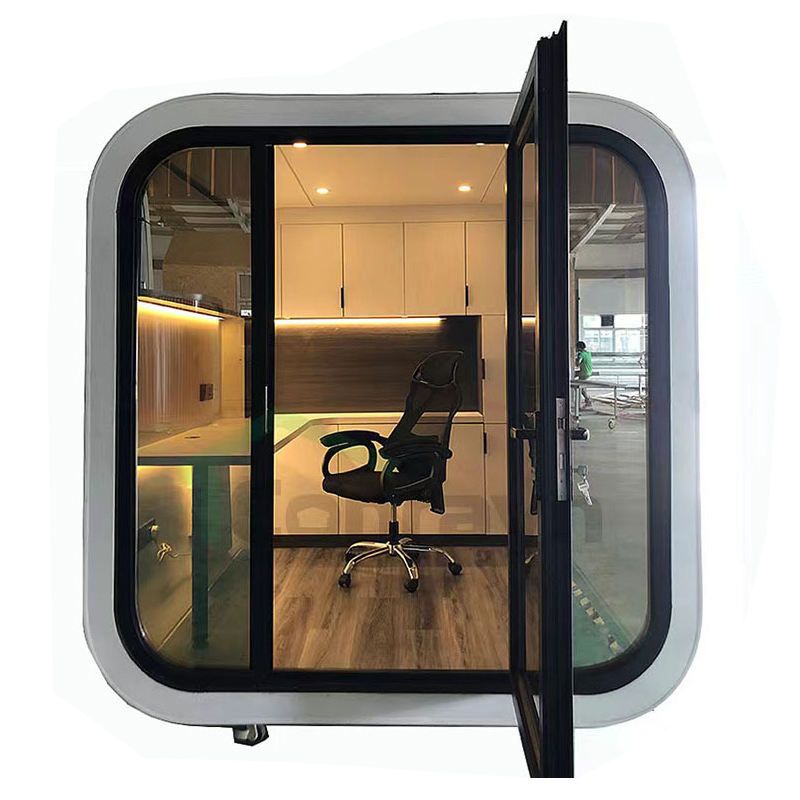
Advantages
Space-saving
Underfloor heating dissipates heat through pipes or electric heating films embedded in the floor, eliminating the need for traditional radiators or air conditioning units. This frees up wall and floor space, making it particularly suitable for compact living spaces like container houses and enhancing space utilization.High Comfort Level
Underfloor heating primarily relies on radiant heat transfer, with warmth rising evenly from the floor, aligning with the human body's preference for a cool head and warm feet. In winter, occupants can walk barefoot or allow children to play on the floor without experiencing dryness or stuffiness caused by localized temperature differences, offering superior comfort compared to traditional heating methods.Energy Efficiency and Environmental Friendliness
Underfloor heating systems can be paired with efficient gas boilers or air-source heat pumps, reducing heat loss through low-temperature radiation. Compared to air conditioners or electric heaters, they consume less energy, making them particularly suitable for long-term use and aligning with low-carbon environmental trends.
Considerations
High Usage Costs
- Installation Expenses: Underfloor heating systems require the installation of insulation layers, pipes, and backfill materials, resulting in higher initial investment compared to traditional heating equipment.
- Operating Expenses: While costs are manageable in northern regions with centralized heating, in southern self-heating scenarios, gas or electricity bills may reach RMB 800-1200 per month (moderate usage intensity), with total winter expenses potentially exceeding RMB 3000. Long-term economic viability needs to be assessed.
Maintenance Requirements
Underfloor heating pipes are prone to scaling or biological slime buildup due to water quality issues, leading to reduced heating efficiency. Professional cleaning is typically required every 2-3 heating seasons; otherwise, pipe blockages or equipment damage may occur, increasing later maintenance costs.Impact on Ceiling Height
Underfloor heating systems occupy 6-8 centimeters of ceiling height (including insulation layers, reflective films, and backfill layers). If the original ceiling height of the container house is low (e.g., below 2.5 meters), installation may exacerbate a sense of spatial confinement, necessitating prior measurement and planning.Flooring Material Limitations
If wooden flooring is to be laid, underfloor heating-specific materials (such as engineered wood flooring) must be selected to prevent deformation or formaldehyde release due to high temperatures. Tiles offer superior heat conductivity but require attention to the risk of floor cracking.
Applicable Scenarios and Recommendations
Underfloor heating systems are more suitable for cold regions or scenarios requiring long-term winter use, such as northern or high-altitude areas. Before use, it is essential to check pipe sealing and boiler efficiency, maintain ventilation during operation to prevent moisture buildup, and promptly shut down the system during power outages to prevent equipment overheating. If budget is limited or ceiling height is insufficient, partial installation (e.g., in bedrooms) or the selection of electric underfloor heating can be considered to reduce initial costs.



