
Is It Good to Hang Clothes in Container Houses?
Whether clothes can be hung in container houses depends on the situation. The top of the bottom container can be safely used for drying clothes, while the top of the top container is prohibited from being used for this purpose. Here is a detailed analysis:
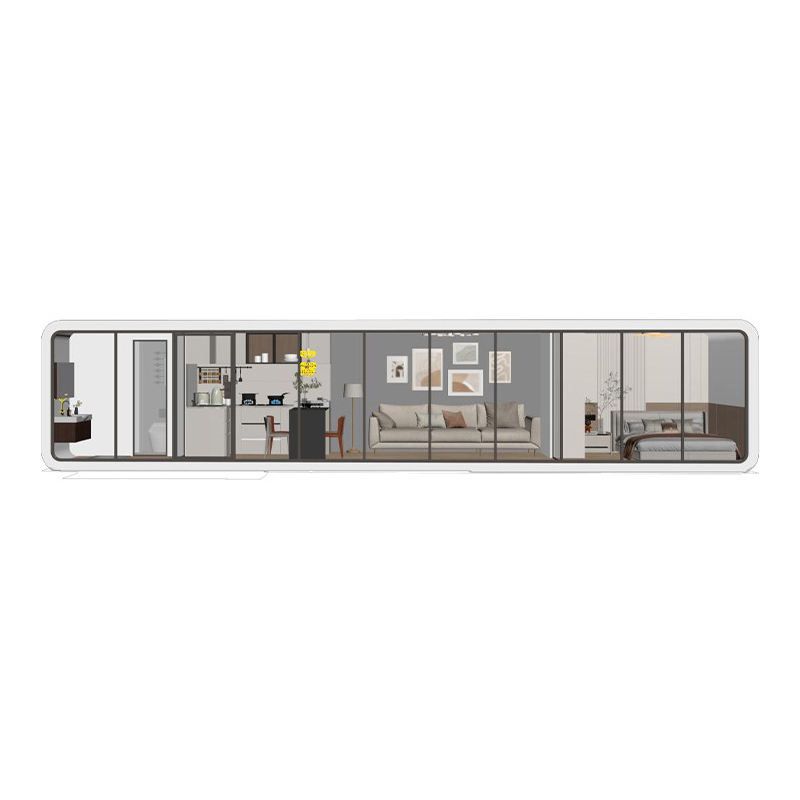
Top of the bottom container: Safe for drying clothes The top of the bottom container (i.e., the floor of the upper level) in a double-decker residential container is designed with load-bearing requirements in mind. Its safe working load can usually reach 150 kilograms per square meter or even higher. This load-bearing capacity far exceeds the weight requirements for drying ordinary clothes. For example, the weight of a single piece of clothing is usually less than 1 kilogram. Even if multiple pieces of clothing are dried simultaneously, the total weight is unlikely to reach the load-bearing limit. Therefore, it is safe and feasible to dry clothes on the top of the bottom container, but the following details should be noted:
- Distribute the weight evenly: Avoid concentrating all the clothes in a small area for drying to prevent local overloading;
- Secure the drying tools: Use lightweight clothes hangers or ropes and ensure they are firmly fixed to prevent them from being blown away by the wind;
- Avoid sharp objects: Pay attention to the sharp parts of clothes or tools during drying to prevent scratching the surface of the container top.
Top of the top container: Prohibited from drying clothes The core functions of the top of the top container are waterproofing and heat insulation, and its structure is not optimized for load-bearing. If heavy objects are stacked or clothes are dried on the top of the top container without the explicit permission and verification of the load-bearing capacity from the manufacturer, the following risks may occur:
- Structural damage: The load-bearing capacity of the top of the top container is usually low, and drying clothes may cause deformation or even collapse of the container top;
- Waterproofing failure: The weight of the drying tools or clothes may damage the waterproof layer of the container top, leading to rainwater leakage;
- Safety hazards: If the container top is damaged due to exceeding the load-bearing limit, more serious structural problems may occur, threatening the safety of the occupants.
Summary: If you need to dry clothes in a container house, you should give priority to the top of the bottom container and follow principles such as evenly distributing the weight and securing the tools. Absolutely avoid any drying activities on the top of the top container to ensure the structural safety of the house and the comfort of living.



