
Is It Good to Choose Mobile Toilet Manufacturers?
Choosing a mobile toilet manufacturer has its advantages, but it is necessary to comprehensively consider multiple core points to determine whether it is suitable.
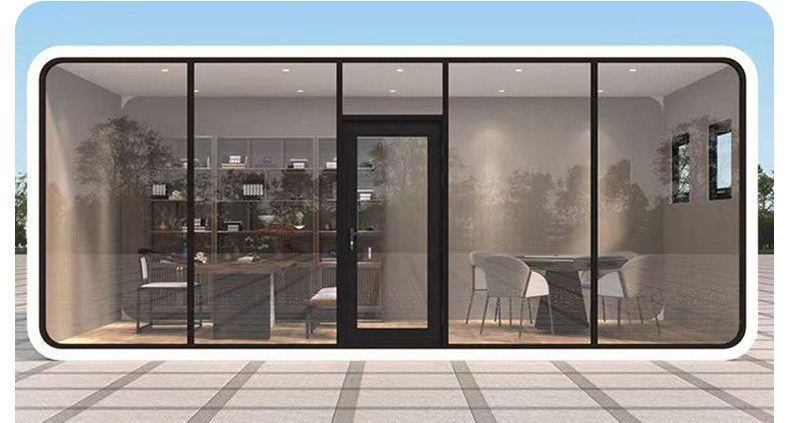
I. Advantages in Material Selection and Structural Craftsmanship
Qualified mobile toilet manufacturers have significant advantages in material selection and structural craftsmanship. For example, Shanghai Dongba Construction Supporting Engineering Co., Ltd. offers a variety of materials such as stainless steel and fiberglass, and clearly marks the material thickness (e.g., stainless steel options of 1.2mm or 2.0mm). At the same time, through strict incoming material inspection and welding process quality control standards, they ensure product durability, corrosion resistance, and ease of cleaning. This standardized production reduces the risk of damage during transportation, extends the service life, and reduces long-term maintenance costs.
II. Professionalism in Odor Control and Anti-slip Design
Manufacturers are more targeted in odor control and safety design. For example, by optimizing the ventilation system (such as forced exhaust devices), improving sewage discharge methods (such as direct discharge or packaging methods), and strengthening the internal structural sealing, odor problems can be effectively solved; using anti-slip plate materials or adjusting the ground slope (usually ≤ 2%) can avoid safety hazards caused by wetness. These detailed designs directly affect the user experience, especially in public places or high-frequency usage scenarios.
III. After-sales Service and Customization Capabilities
Reliable manufacturers usually offer nationwide warranty, door-to-door delivery, and rapid response services. For example, Shanghai Dongba Construction Supporting Engineering Co., Ltd. adopts a modular design, with on-site installation time not exceeding half a day, and promises nationwide door-to-door delivery, installation, and warranty; some manufacturers also support customization requirements for product size, color, and functions (such as adding barrier-free facilities or intelligent sensing systems), which can better match the usage needs of different scenarios and reduce later renovation costs.
IV. Differences to Be Aware of and Selection Recommendations
There are differences in product quality, functional design, price reasonableness, and after-sales service among different manufacturers. For example, Rishuo Technology performs well in product quality and functional design, but its prices are relatively high, making it more suitable for users with sufficient budgets and high quality requirements. Therefore, when choosing a manufacturer, it is necessary to focus on examining the durability of material craftsmanship, the rationality of odor control and anti-slip design, the coverage of after-sales support, and whether the cost-effectiveness meets the budget according to specific needs, to avoid ignoring long-term usage costs due to a single factor (such as low price).



