
Is Double-Deck Container House Waterproof?
Double-deck container houses generally possess waterproof properties, but the waterproofing effect is influenced by multiple factors such as design, craftsmanship, materials, and post-maintenance.
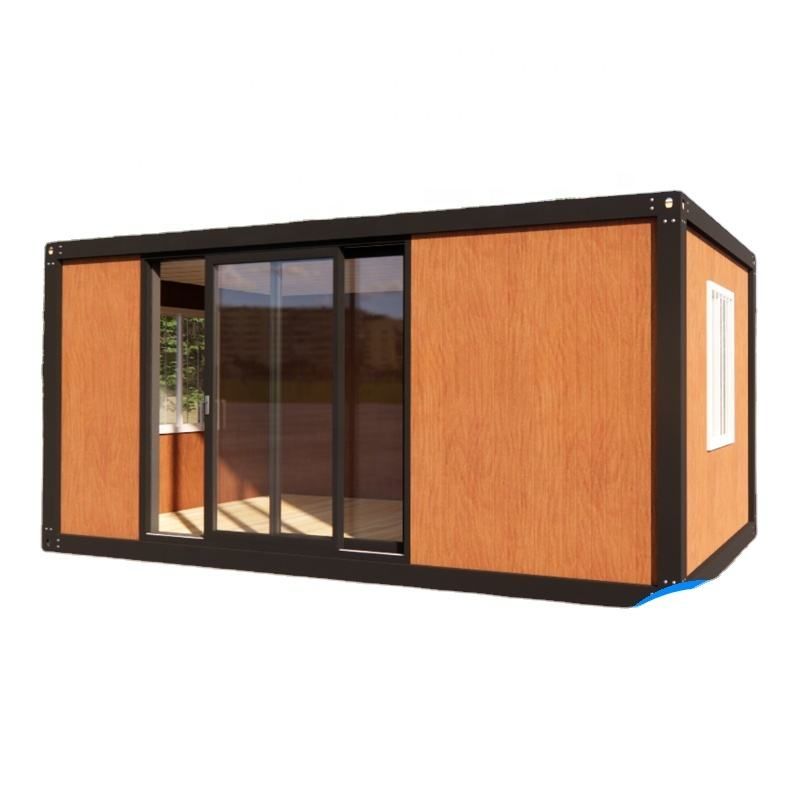
1. Structural Waterproof Design Some double-deck container houses adopt structural waterproof designs. For example, K-type mobile homes achieve waterproofing through their overall structure without the need for additional treatment. The light-steel flexible structural system of such houses meets building code requirements, forming a continuous waterproof layer through panel splicing and sealing techniques, thereby reducing the risk of leakage from the source.
2. Customized Waterproofing Techniques Professional manufacturers employ multi-layer waterproofing techniques for parts prone to leakage (such as roof welds, container body seams, and areas around doors and windows) during the production stage. These techniques involve materials like weather-resistant waterproof sealants and waterproof membranes, along with optimizing the roof drainage slope to minimize water accumulation. For instance, Zhongye Zhichuang conducts water spray tests to verify the waterproofing effect when customizing container houses, ensuring they can withstand outdoor exposure to sun and rain.
3. Impact of Materials and Construction Waterproofing performance is closely related to material quality and construction standards. Using substandard waterproof materials, improper construction handling (such as inadequate seam sealing), or house aging can lead to leakage. For example, foot traffic on the roof causing fastener loosening, clogged gutters, or inadequate corrosion protection can all trigger water leakage issues.
4. Post-Maintenance Requirements Even if the initial waterproofing techniques are in place, regular inspections of seams, sealants, and drainage systems are still necessary in the later stages. For example, in southern regions with heavy rainfall, enhanced waterproofing treatment for the roof and corner closures is required, along with timely replacement of aged materials to extend the house's service life.
5. Scenario Adaptability The waterproofing properties of double-deck container houses enable them to adapt to various climatic conditions, including humid and rainy or dry and cold regions. Their structural robustness also allows them to withstand extreme weather conditions such as strong winds and heavy rain, meeting the needs of construction sites, temporary offices, and accommodation scenarios.
Summary: The waterproofing performance of double-deck container houses depends on the rationality of design, production techniques, material quality, and post-maintenance. Choosing reputable manufacturers, paying attention to waterproofing treatment of key parts, and conducting regular inspections can effectively ensure their waterproofing effect.



