Is Container Mobile House Illegal?
Whether a container mobile house is illegal depends on the situation. Simply placing a container generally does not constitute illegal construction, but using it for living or changing its purpose may involve violations, which need to be comprehensively determined based on its use, location, and approval procedures.

1. Nature of the Container and Conditions for Defining Illegal Construction
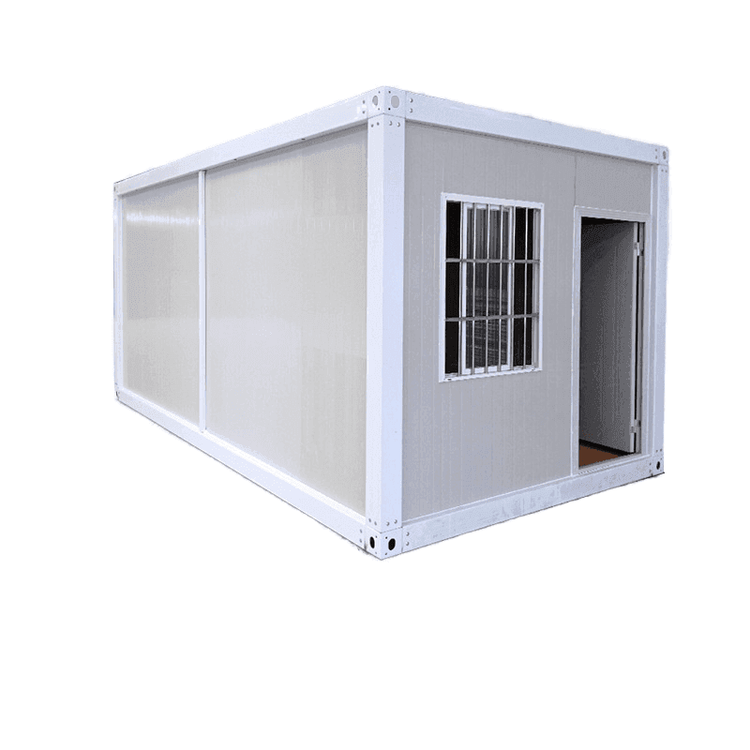
Illegal construction must meet two core conditions: first, it must be a 'building', and second, it must be constructed privately without obtaining approval. A container is essentially a movable metal structure belonging to the category of transportation equipment and does not conform to the fixed and long-term characteristics of traditional buildings. If it is only used as a warehouse or for temporary storage and does not change the land use or occupy public space, it is generally not considered illegal construction. For example, placing a container on one's own land for storing goods usually does not require approval.
2. Residential Use May Trigger Illegal Construction Determination
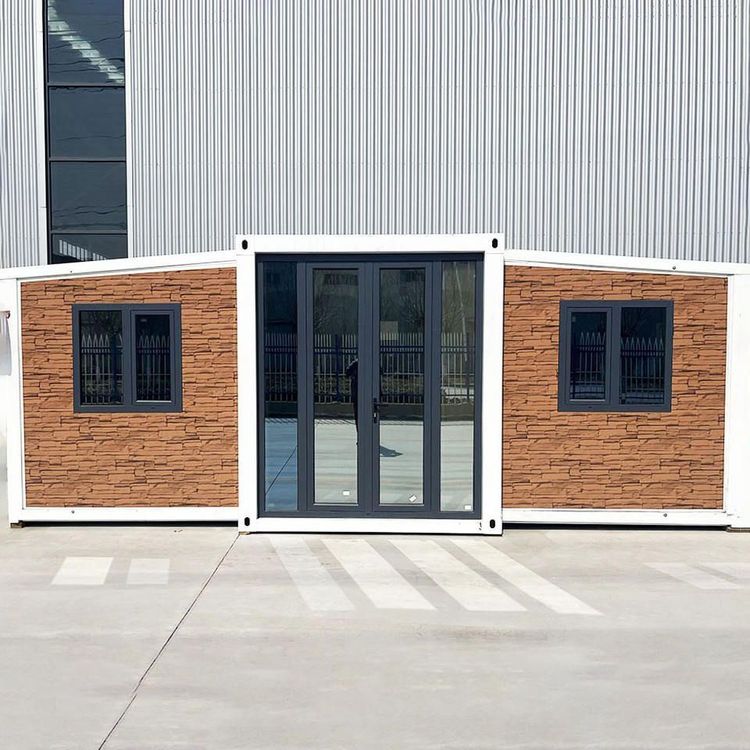
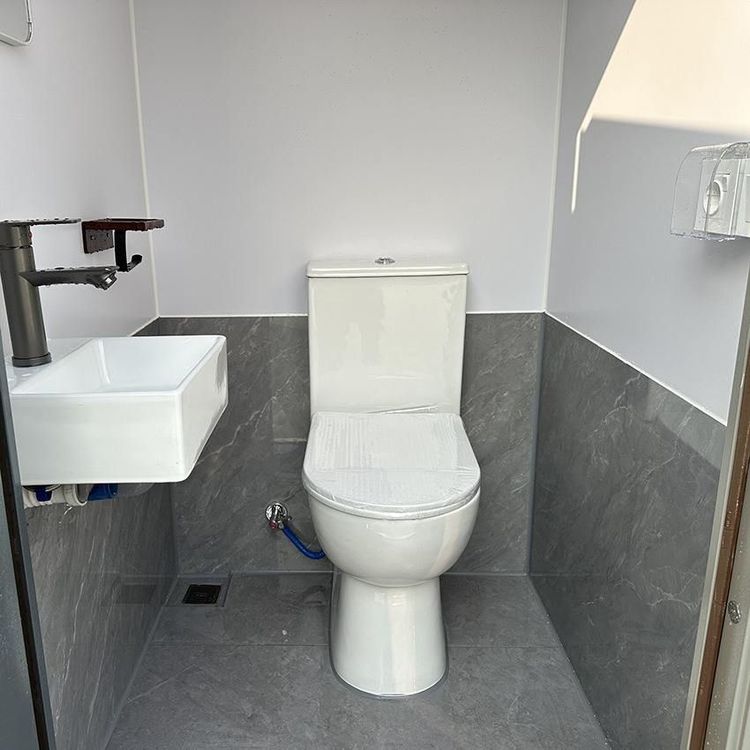
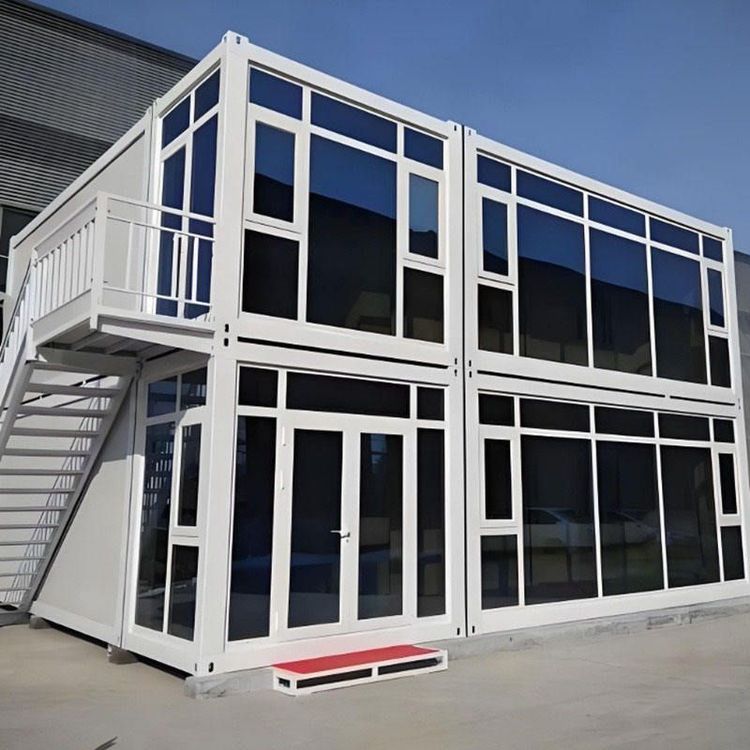
If a container is transformed into a living space (such as a residential container mobile house), its nature may change. Some regions explicitly stipulate that using containers for long-term residence must meet building code requirements (such as fire safety and structural integrity) and requires temporary building approval or filing procedures. Containers used for residential purposes without fulfilling these procedures may be considered illegal construction and face the risk of demolition or fines. For example, a project in Yuhang District, Hangzhou, using containers as temporary offices requires filing, while unauthorized residential renovations by residents may be prohibited.
3. Location and Land Nature Affect Compliance
The placement location of the container is a key factor. If it occupies public open spaces, fire lanes, or planned green spaces, it may be considered illegal even if it is not a building itself due to violating land use regulations. For example, placing a container in a public area of a residential community requires the consent of the property management or urban management department; otherwise, it may be required to be removed. Additionally, placing containers on non-construction land such as agricultural or industrial land may involve illegal changes in land use.
4. Regional Differences in Approval and Filing Requirements
Different regions have varying management policies for container mobile houses. Some cities (such as Beijing and Shanghai) have strict approval processes for temporary buildings, requiring the submission of structural safety certificates, usage periods, and other materials; while other regions may only require filing or verbal consent. For example, in Shaoxing City, residential containers used for temporary offices on construction sites must comply with safety regulations, but private residential renovations by residents may be restricted. It is advisable to consult local planning and urban management departments before use to confirm specific requirements.