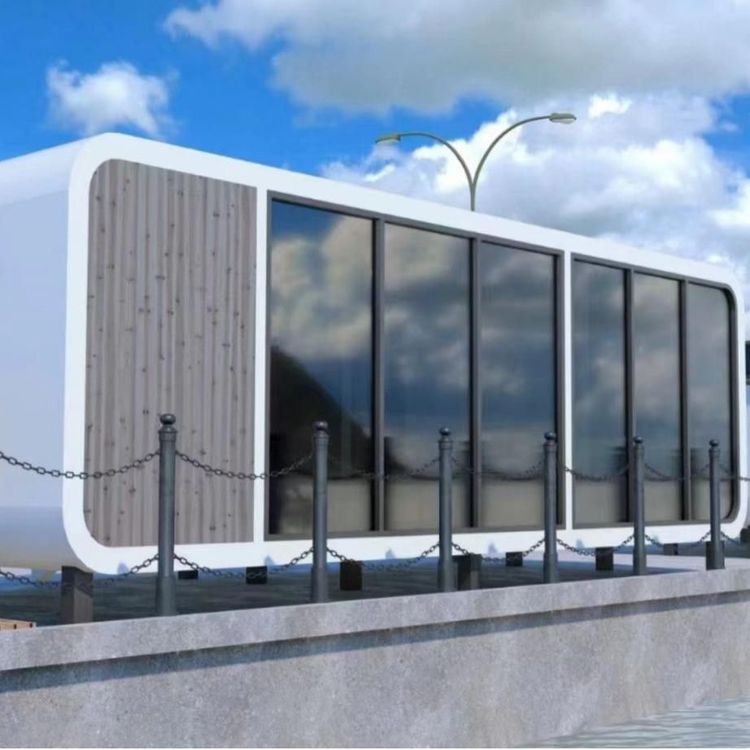
Is a Container House Suitable for Long-Term Living?
Container houses are suitable for long-term living, but certain conditions must be met and some limitations overcome.

From a feasibility perspective, container houses possess the fundamental conditions for long-term living:
Firstly, high structural safety. Containers are made of high-strength steel, offering excellent earthquake and wind resistance. Through professional modifications such as structural reinforcement, adding thermal insulation layers, and waterproofing treatments, living safety can be significantly enhanced. For example, modern container houses, through modular design, can optimize spatial layouts to meet the needs of different families, and interior decorations use eco-friendly materials to ensure a healthy living environment.
Secondly, outstanding environmental friendliness and flexibility. The production process of container houses reduces material consumption and waste, and they are easy to dismantle and relocate. They can incorporate green technologies such as solar power and rainwater harvesting to achieve a low-carbon lifestyle. With a designed service life of over 25 years, long-term residents can enhance comfort through customized interior and exterior decorations, installation of home appliances, and integrated bathrooms.
Thirdly, living experience close to that of traditional houses. Through efficient thermal insulation systems, soundproofing treatments, and integration of smart home appliances, container houses offer little difference from traditional houses in terms of temperature regulation, noise control, and daily living convenience, fully meeting daily living needs.
However, low market acceptance and practical limitations still require attention:
Firstly, space and modification details. Ordinary containers have relatively small interior spaces, which may be inconvenient for multiple occupants; if thermal insulation, soundproofing, and waterproofing treatments are not properly done during modification, the living experience will be significantly compromised.
Secondly, property rights and approval challenges. Currently, in many regions, the definition of property rights, planning approvals, and fire safety standards for container houses are not clearly defined, posing legal risks for long-term living and leaving residents feeling insecure.
Thirdly, social perception barriers. The ingrained perception that "containers equal temporary buildings" is deeply rooted, making it psychologically difficult for some people to accept them as permanent residences, affecting market promotion and living willingness.
In conclusion, container houses technically meet the conditions for long-term living, but professional modifications are needed to address space and comfort issues. At the same time, relevant regulations must be improved to eliminate concerns about property rights and approvals, and social perceptions must be gradually changed for container houses to truly become a sustainable living option.